PMZ-4 (PMR-3) Russian Towed Mechanical Minelayer
INA
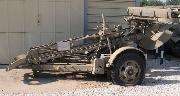
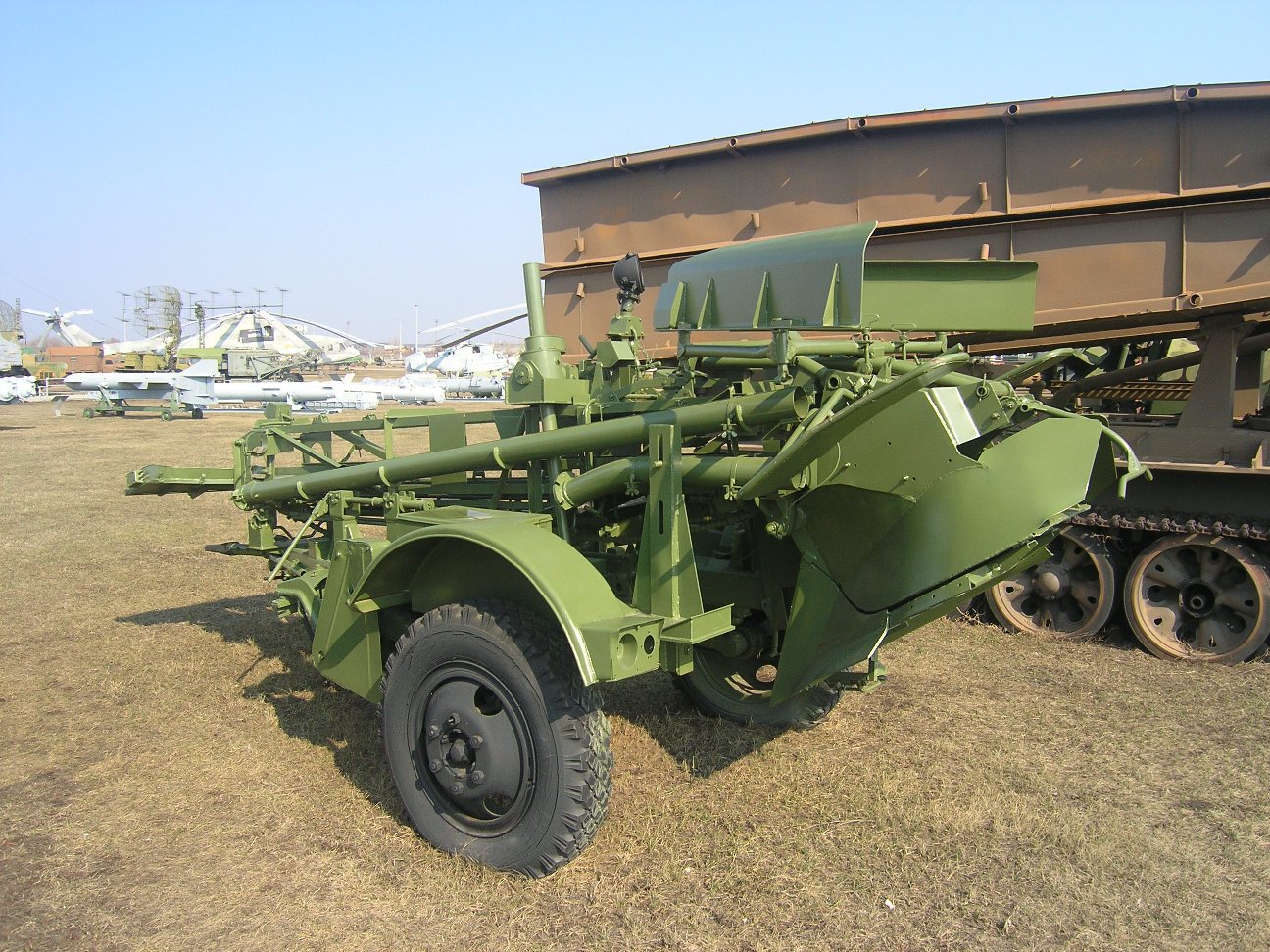
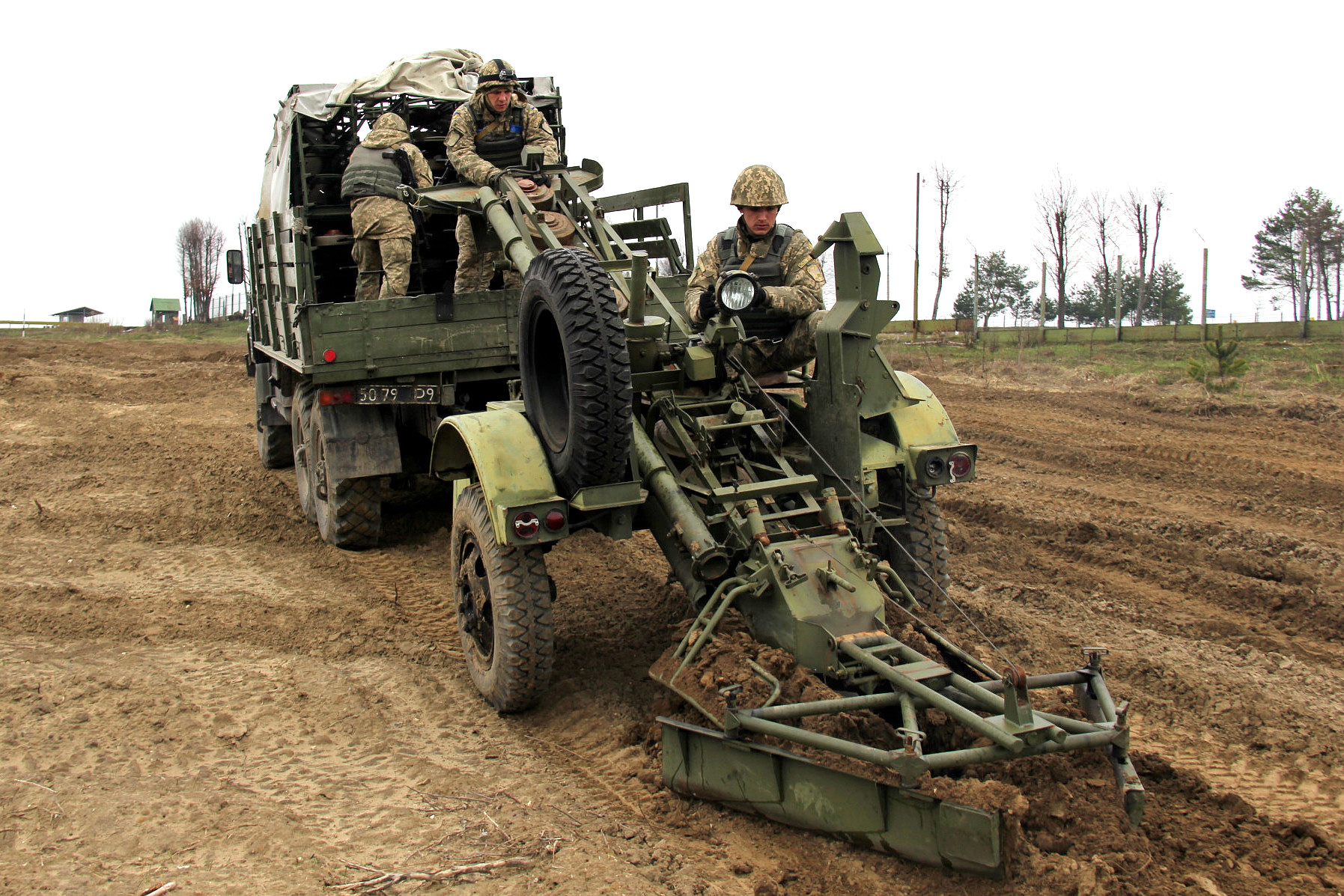
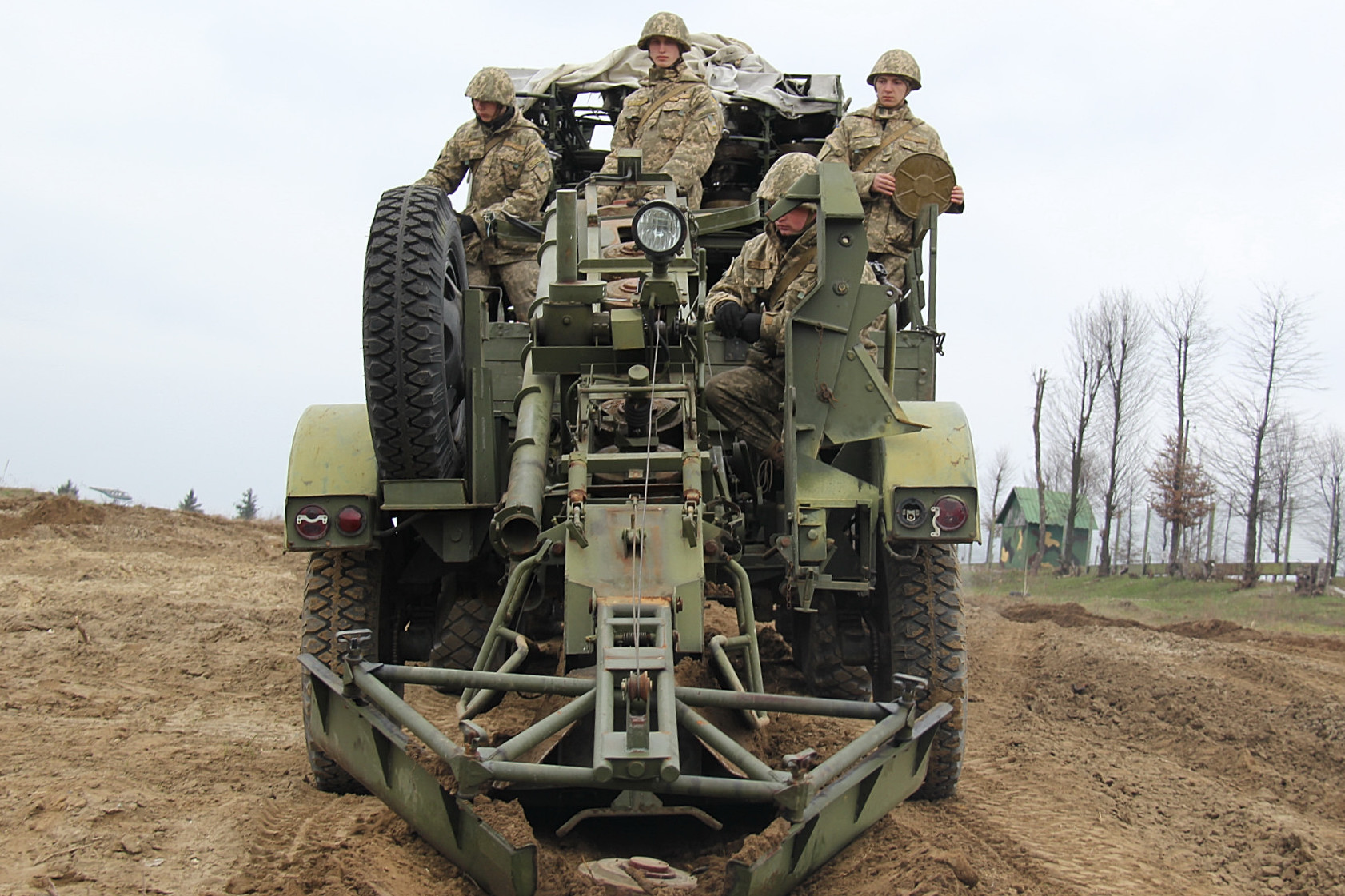
Originally designated the PMR-3 “Pricepnoi Minnyi Raskladchik” meaning “towed mine layer (surface)”, this apparatus was the first Soviet minelayer capable of burying mines as well as laying them on top of the ground. It consists of a single chute and a plow attachment. The attachment provides the option of burying the mines or depositing them on the surface of the ground. The PMR-3 equipment designation was later changed to PMZ-4 “Pricepnoi Minnyi Zagraditel” meaning “towed mine layer (buried)” as this designation was more accurate in describing the task carried out by this piece of equipment. The type of mines laid by this apparatus were the Soviet TM-44, TM-46, TM-57 or TM-62 series anti-tank mines. The mines could be spaced 4 to 5,5m apart depending on the control setting. If buried, the mines are placed at a depth between 6-12 cm while the vehicle traveled along at a speed of 5km/h. The trailer on its own weighed 1.8 metric tons. The towing vehicle could carry 120 to 300 mines depending on the capacity and type of vehicle. The SADF captured one of these trailers in Southern Angola during Ops Protea in 1981. The captured PMZ-4 minelayer trailer is seen pictured here while on display to the public at Oshakati. Prime equipment mover: 6x6 ZIL-131 truck (200 mines) or 4x4 Ural-375D (350 mines) or BTR-152 (120 mines). Max burial depth (cm): 20. PMR-3, (and the similar PMZ-4) consists of a single chute and a plow attachment. Differences: PMZ-4 (pic left) has a cable layer used for laying controlled minefields and does not have a conveyer-belt chain drive on the wheels. PMZ-4 hand loaded only. Towed-minelayers are used in sections of three or four and operate 20 to 40 meters apart with each minelayer laying a straight-line row. Mines in different rows are staggered with the distance between mines depending on whether the mines are pressure-initiated or full-width attack (influenced or tilt-rod fuzed).