1L219 Zoopark-1 (1L259) Russian Mobile Counter-Battery Radar
1L219 Zoopark-1
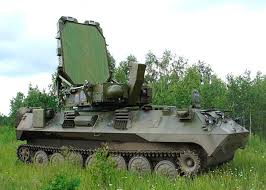
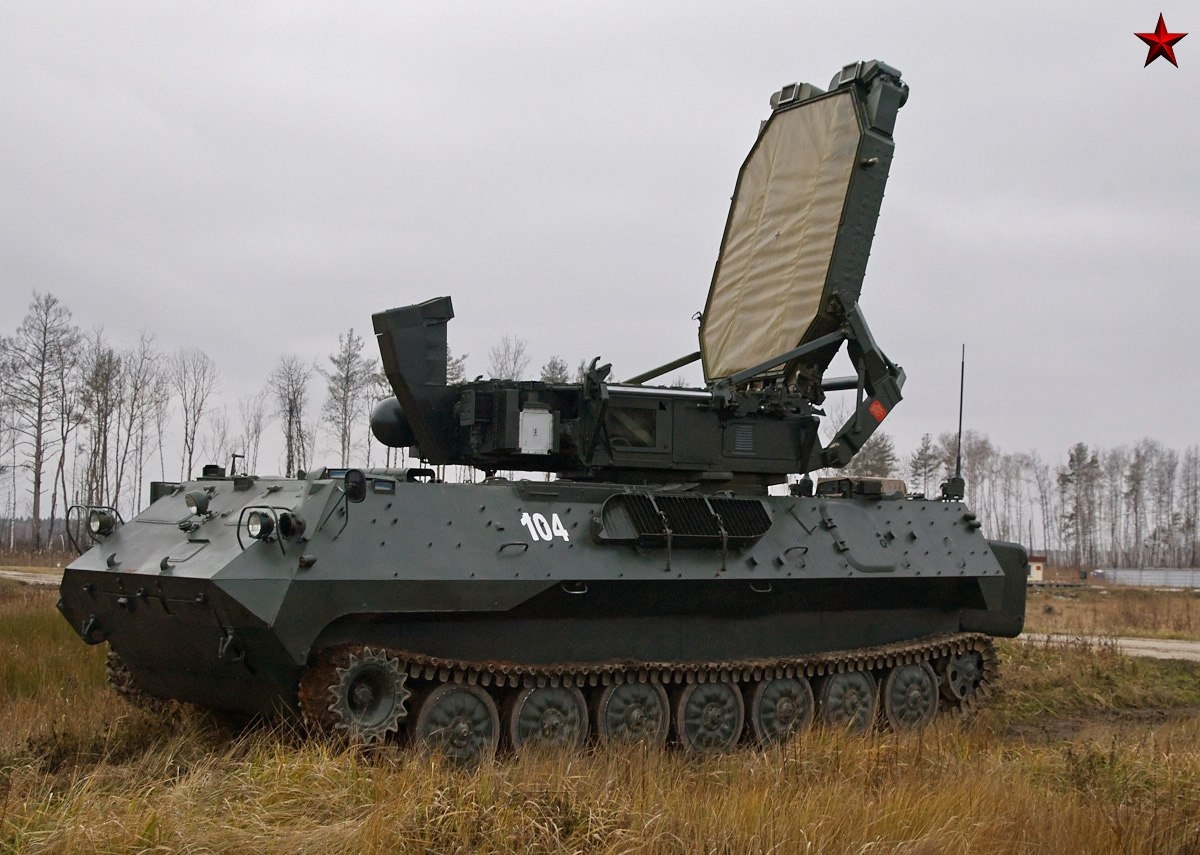
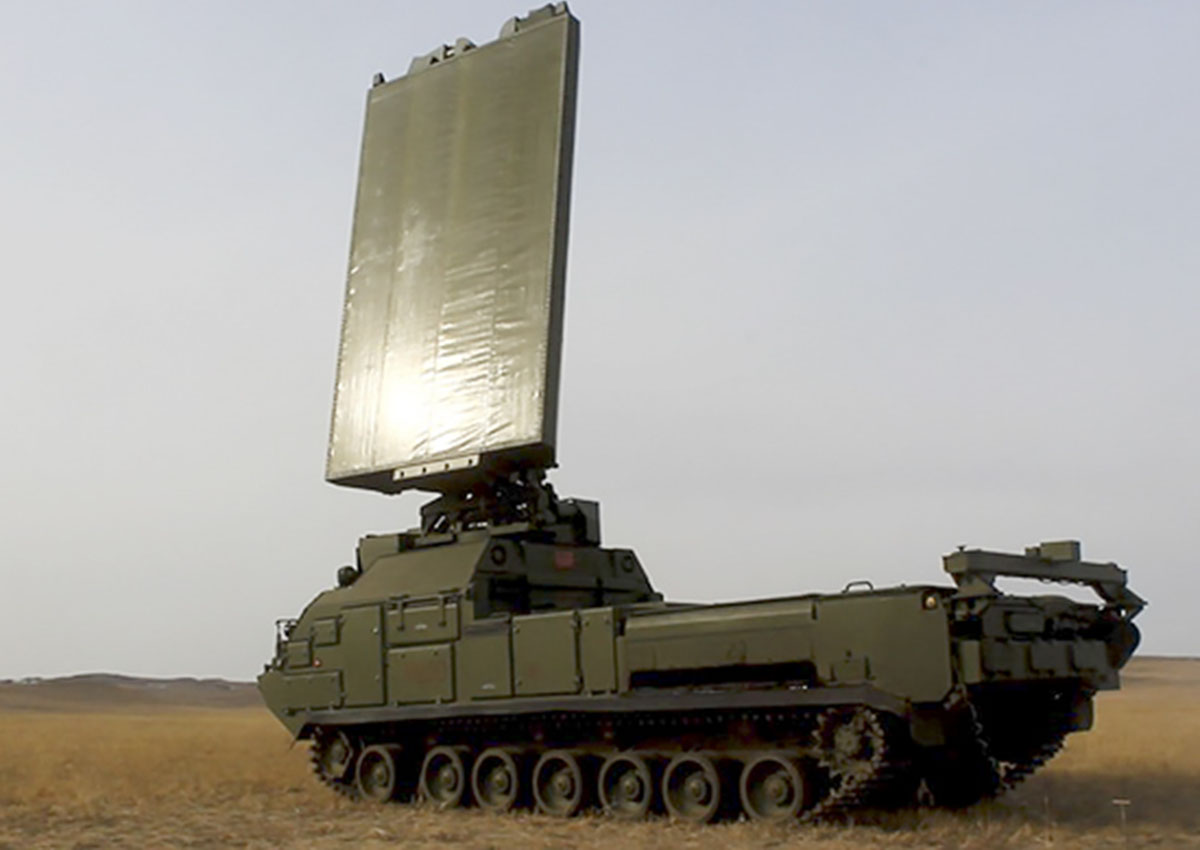
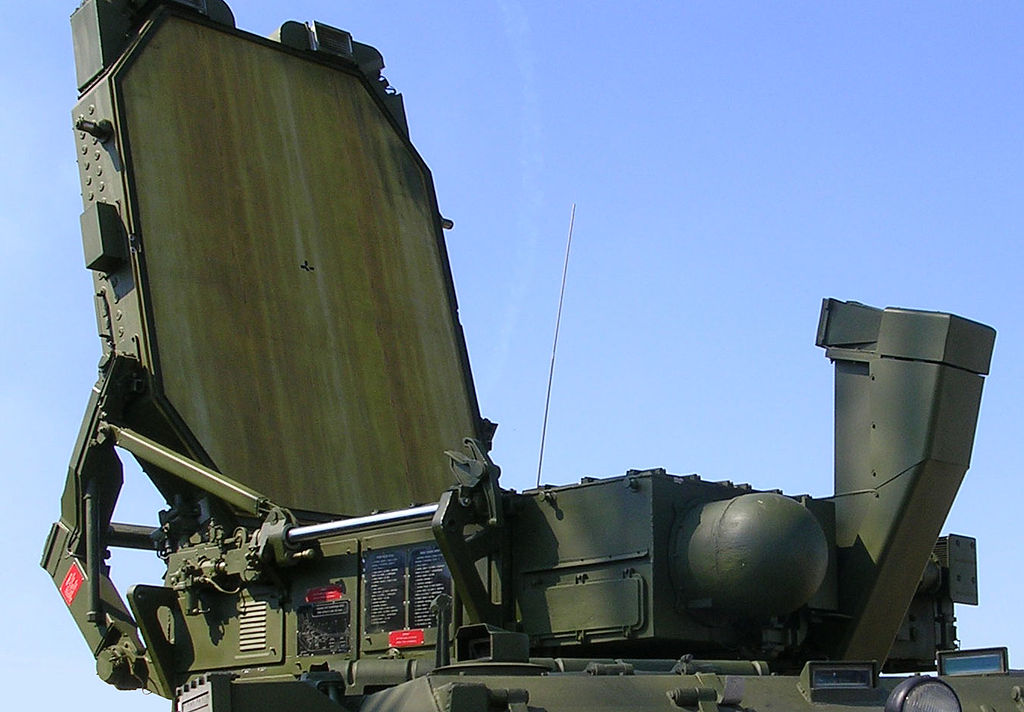
The 1L219 Zoopark-1 (1L259) Russian Mobile Counter-Battery Radar 1L219 Zoopark-1 Russian Mobile Counter-Battery Radar is mounted on an MTLB tracked chassis. It has been designed to automatically determine the coordinates of enemy artillery positions such as mortars, howitzers, rocket launchers, and tactical missile systems. The Zoopark-1 radar system can also serve to monitor the firing results of its own artillery systems. The Zoopark-1 radar system was deployed to Syria in early 2016. The Zoopark-1 intelligence radar system is completely autonomous and needs five minutes to get set up. The radar can track artillery shells of 82 to 120mm (typically mortar ammunition) at distances of up to 17 kilometers. It can detect 105 to 155mm projectiles at distances of 12 kilometers, multiple launch rocket systems at distances of 22 kilometers, and tactical missiles at ranges of up to 45 kilometers. The radar can track up to 12 targets simultaneously detecting up to 70 firing positions in a minute. --- Additional Data (TRADOC ODIN WEG) --- Frequency: 2–4 GHz (S, NATO Band E/F) Antenna Dimensions: 6 x 2 m Associated Weapon Systems: Артиллерия (Artillery): 2С19 / 2S19, 2С5 / 2S5, БМ-21 / BM-21 Role: Counter-Battery Radar Remarks: Main Soviet counter-battery radar --- From Radartutorial.eu (https://www.radartutorial.eu/19.kartei/04.battle/karte066.en.html) --- 1L219 Zoopark-1 is operating in the G band artillery counter-battery radar system , designed to detect and track enemy artillery and rocket launchers. The primary purpose of the Zoopark-1 radar is to locate hostile artillery and rocket positions by detecting and tracking projectiles in flight, as well as to provide targeting information for friendly counter-battery fire. Zoopark-1 uses a reflection type of space feeded phased array antenna . It can simultaneously track up to 4 targets with an azimuth coverage from 40 to 60°. The radar was introduced into the armament of the Russian armed forces in 1997.