M1919 Browning American 7.62mm Medium Machine Gun
M1919
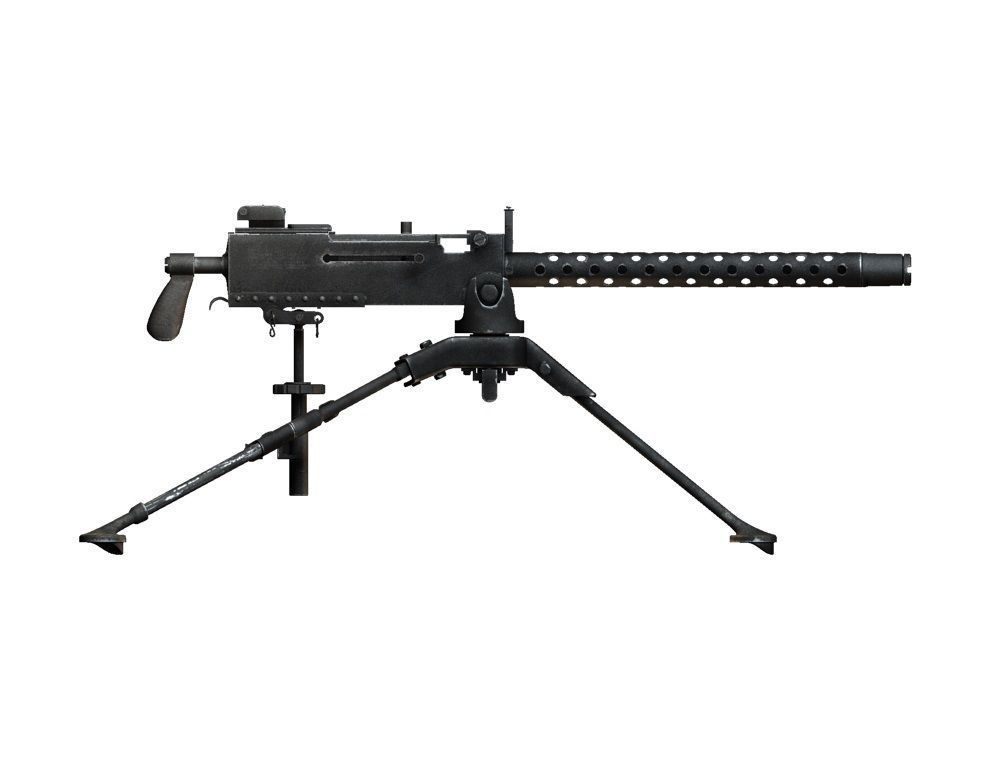
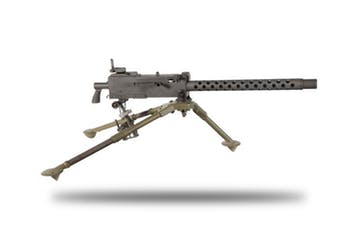
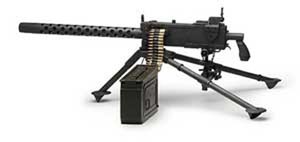
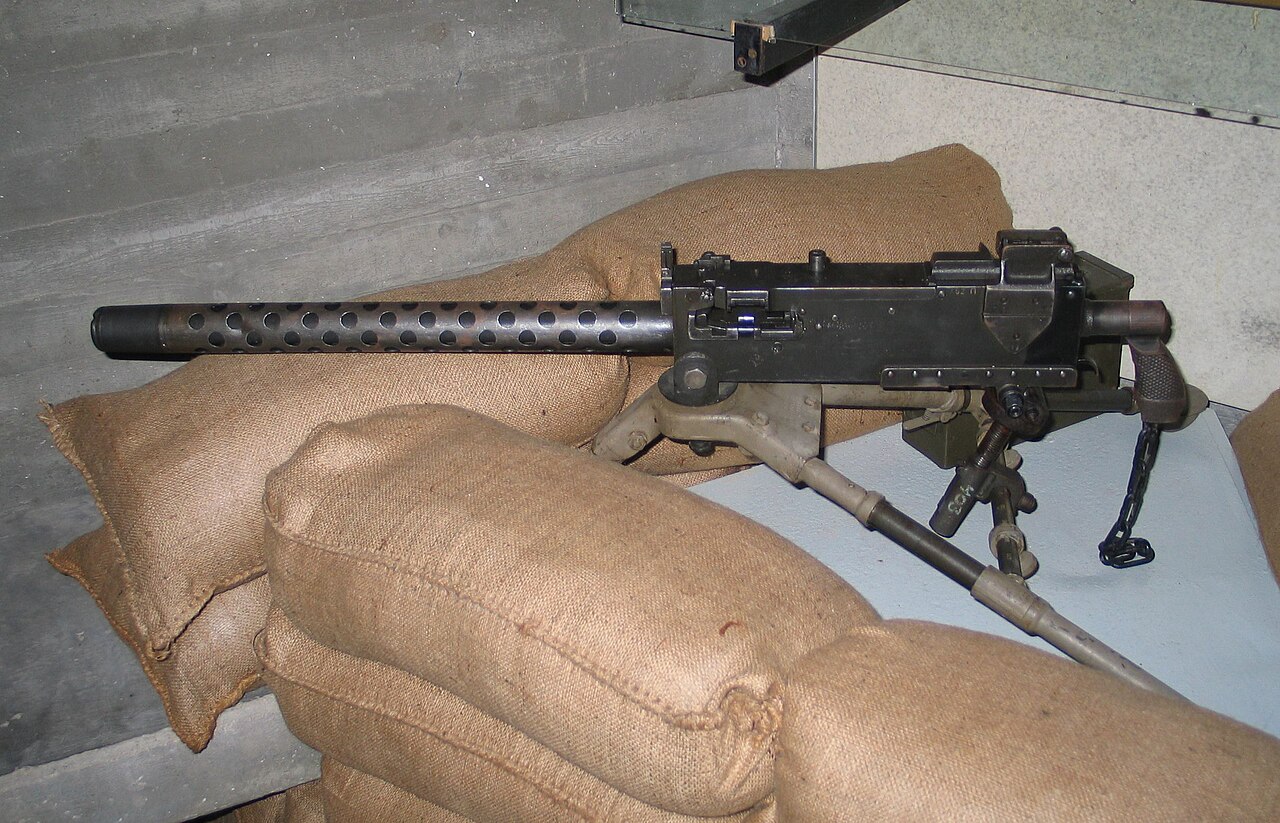

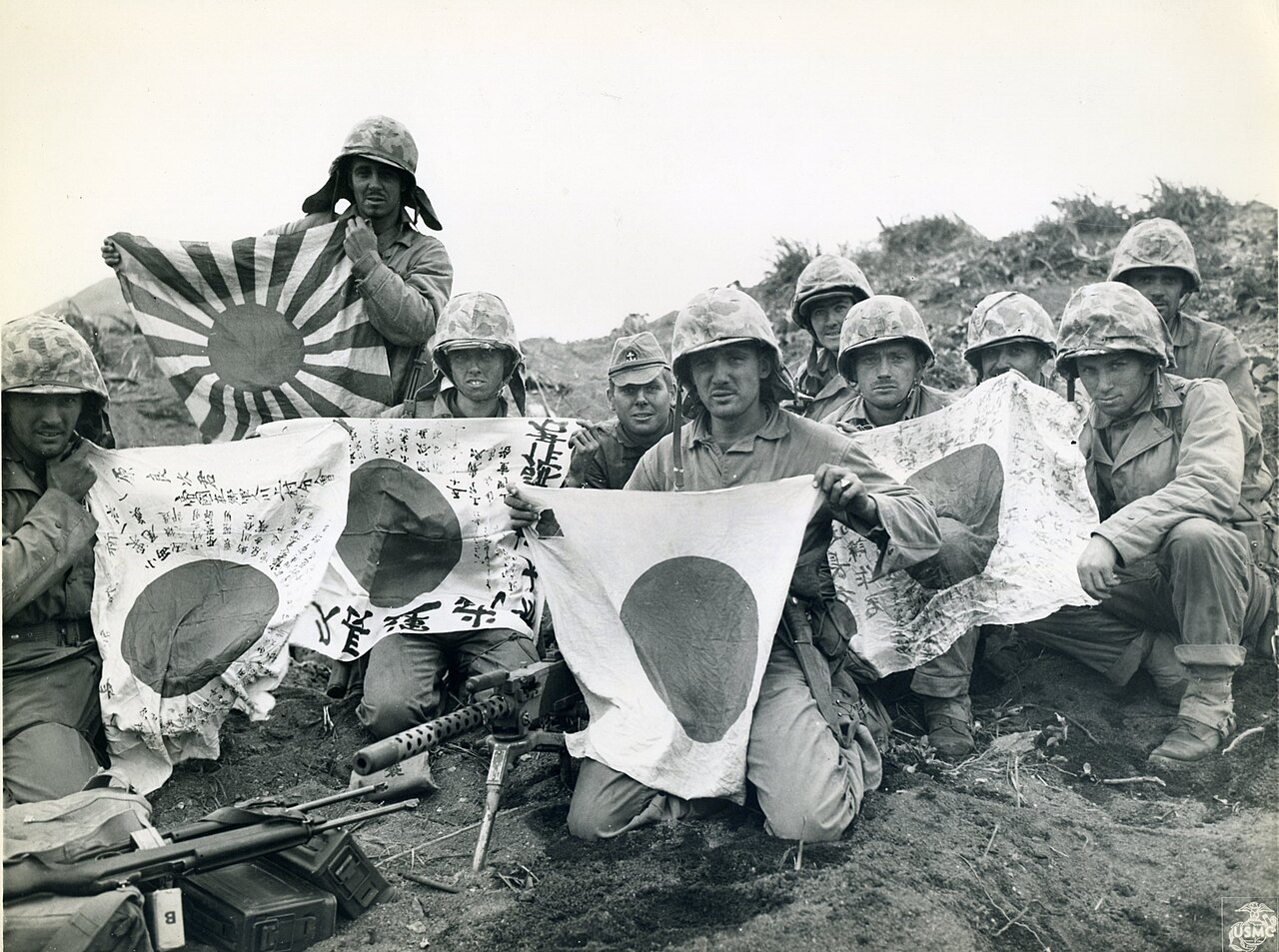
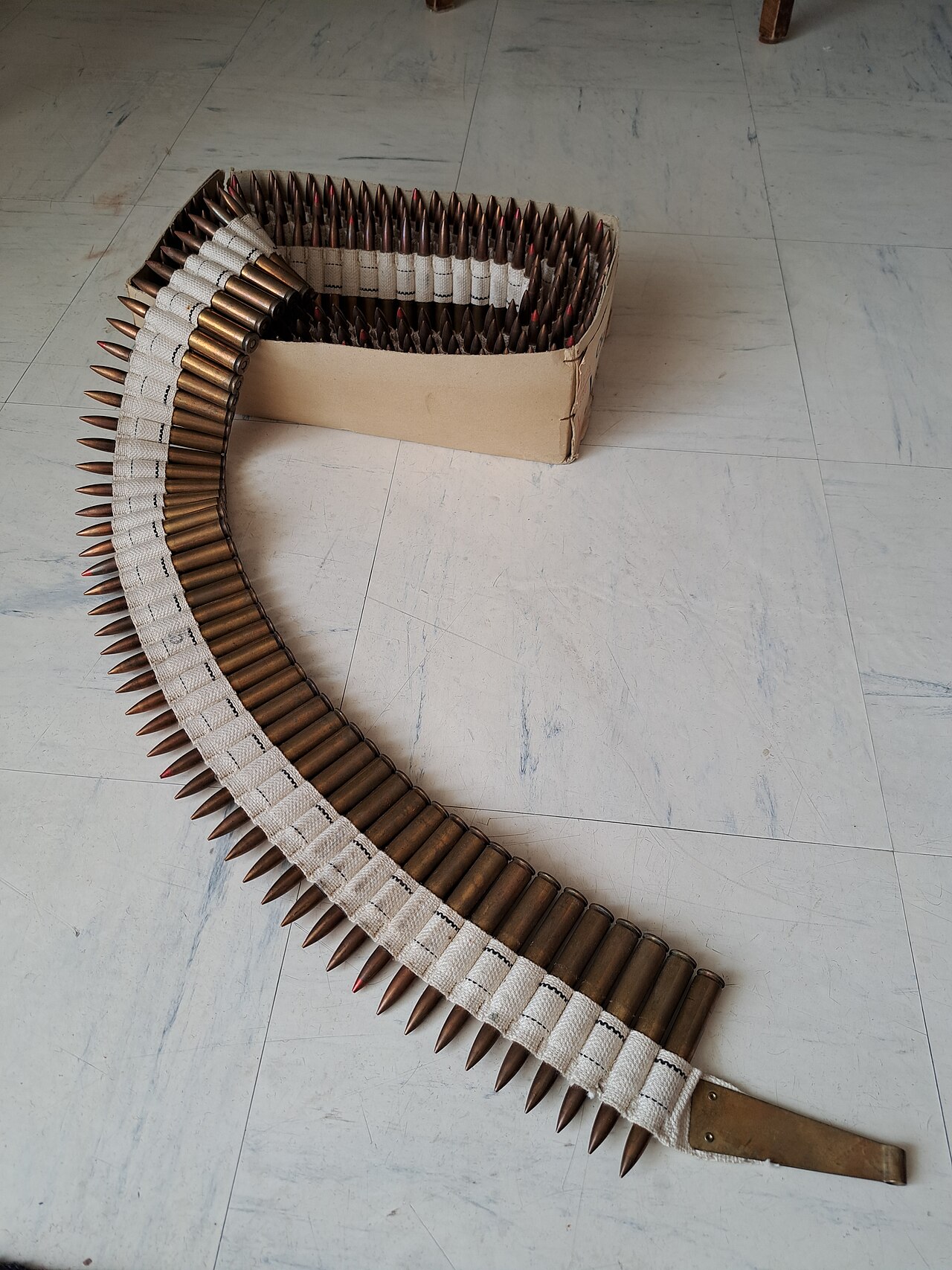
The M1919 Browning is a .30 caliber medium machine gun that was widely used during the 20th century, especially during World War II, the Korean War, and the Vietnam War. The M1919 saw service as a light infantry, coaxial, mounted, aircraft, and anti-aircraft machine gun by the U.S. and many other countries. Many M1919s were rechambered for the new 7.62×51mm NATO round and remain in service to this day. The M1919 was an air-cooled development of the standard US machine gun of World War I, the John M. Browning-designed water-cooled M1917. The emergence of general-purpose machine guns in the 1950s pushed the M1919 into secondary roles in many cases, especially after the arrival of the M60 in US Army service. The United States Navy also converted many to 7.62mm NATO, and designated them Mk 21 Mod 0; they were commonly used on river craft in the 1960s and 1970s in Vietnam. Many NATO countries also converted their examples to 7.62, and these remained in service well into the 1990s, as well as up to the present day in some countries. A similar conversion of the M1917 also produced the larger M2 Machine Gun, using the same basic operating principles and layout but firing the much more powerful .50 caliber (12.7mm) ammunition. The M1919 is distinguished by its smaller size and the use of a holed jacket around the barrel used on most versions. The M1919 originally fired the .30 cal M1906 (30-06) ball cartridge, and later the .30 caliber M2 ball cartridge, contained in a woven cloth belt, feeding on the left to right. A metal M1 link was later adopted, forming a "disintegrating" belt. Loading was accomplished by inserting the pull tab on the ammunition belt from the left side of the gun - either metal links or metal tab on cloth belts - until the belt-holding pawl at the entrance of the feed way grabbed the belt and held it in place. The cocking handle was then pulled back with the palm of the hand facing up and then released. This advanced the first round of the belt in front of the bolt for the extractor/ejector on the bolt to grab the first cartridge. The cocking handle was pulled and released a second time. This removed the first cartridge from the belt, advanced the next round into position to be grabbed, and moved the first round down into the chamber of the barrel ready for firing. As the bolt went into battery, the extractor grabbed the next round on the belt that was advanced and was resting in the feed way waiting to be loaded. Every time the gun fired a single shot, the gun performed the sequence of extracting and ejecting the spent round as the bolt came rearward, loading the next round to be fired into the barrel, advancing the belt, grabbing the next round in preparation for loading, then chambering it as the bolt came forward again under tension from the spring. If the trigger was held down, the gun would continue to fire in full automatic, repeating the sequence over and over until stopped. The gun's original design was as a water-cooled machine gun (see the M1917 Browning machine gun). When it was decided to try to lighten the gun and make it air-cooled, its design as a closed-bolt weapon created a potentially dangerous situation. If the gun was very hot from prolonged firing, the cartridge ready to be fired could be resting in a red-hot barrel, causing the propellant in the cartridge to heat up to the point that it would ignite and fire the cartridge on its own (a cook-off). With each further shot heating the barrel, even more, the gun would continue to fire uncontrollably until the ammunition ran out, since depressing the trigger was not what was causing the gun to fire. Gunners were taught to cock the gun with the palm facing up so that in the event of a cook-off, their thumb would not be dislocated by the charging handle. Gunners were trained to manage the barrel heat by firing in controlled bursts of three to five rounds, to delay heating. Most other machine gun designs were fired in the same way, even though most featured quick-change barrels and an open bolt, two features that make air-cooled machine guns capable of sustained fire, and features that the M1919 design lacked. When the gun was ready to fire, a round would be in the chamber and the bolt and barrel group would be locked together, with the locking block at the rear of the bolt. When the rear of the trigger was pivoted upwards by the operator, the front of the trigger tipped downward, pulling the sear out of engagement with the spring-loaded firing pin, allowing it to move forward and strike the primer of the cartridge. As the assembly of bolt, barrel, and barrel extension recoiled to the rear of the gun upon firing, the locking block was drawn out of engagement by a cam in the bottom of the gun's receiver. The recoiling barrel extension struck the "accelerator" assembly, a half-moon-shaped spring-loaded piece of metal pivoting from the receiver below the bolt and behind the barrel extension. The tips of the accelerator's two curving fingers engaged the bottom of the bolt and caused it to move rapidly to the rear. The extractor-ejector was a mechanism that pivoted over the front of the bolt, with a claw that gripped the base of the next round in the belt. A camming track in the left side of the receiver caused this to move down as the bolt moved back, lowering the next round down on top of the fired case, pushing it straight down out of the extraction grooves of the bolt face through the ejection port. Spring in the feed tray cover pushed the extractor-ejector down onto the next round, so if the feed tray cover was opened, the extractor-ejector would be pulled upwards if the belt needed to be removed. The belt feed lever was connected to the belt feeding pawl at the front end, had a cam pin at the rear end which ran through a track in the top of the bolt, and a pin in the feed tray cover acted as the pivot between the two ends. The rearward movement of the bolt caused the rear end of the feed lever to pull to the right, causing the feeding pawl at the other end to move left over the belt. The pawl would pull the belt further to the right as the bolt came forward again, also sending the loose M1 link of the previous round to be taken out of the belt to fly out the right side of the receiver. A recoil buffer tube extended from the back of the receiver to make the cycle of the bolt smoother than previous designs, to absorb some of the recoils of the bolt, and formed a place for the pistol grip to be installed. Except for the M1919A6, all other variants had to be mounted on a tripod or other type of mount to be used effectively. The tripod used by infantry allowed traverse and elevation. To aim the gun along its vertical axis, the adjustment screw needed to be operated. This allowed the gun to be pointed upwards or downwards, with a free traversing to either side. The gun was aimed using iron sights, a small folding post at the front end of the receiver, and a rear aperture sight on a sliding leaf with range graduations from 200 to 1,800 meters in 200-meter increments. When folded down, the aperture formed a notch that could be used to fire the gun immediately without flipping up the leaf. The rear sight also had windage adjustment with a dial on the right side.
M1919 Browning 7.62mm Medium Machine Gun
Ammunition
Wikidata (https://www.wikidata.org/wiki/Q484019)