ARMSNET
Military Equipment Database
Initializing 0%

Ka-52 Alligator (Hokum B) Russian Attack Helicopter

Ka-52 Alligator
Attack Helicopter
Spotted an error? Sign in to suggest an edit.
Basic Information
Name
Ka-52 Alligator (Hokum B) Russian Attack Helicopter
Designation
Ka-52 Alligator
Alternate Designation
Ka-52 Alligator; Kamov Ka-52 Alligator ; NATO: Hokum B
Equipment Type
Attack Helicopter
Manufacturer
Kamov
Date of Introduction
2008
Description

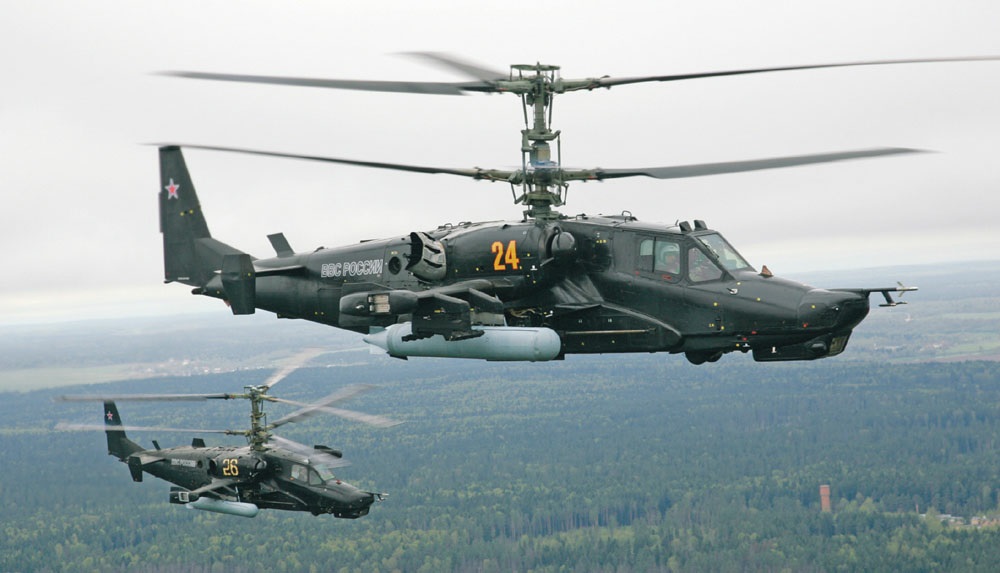
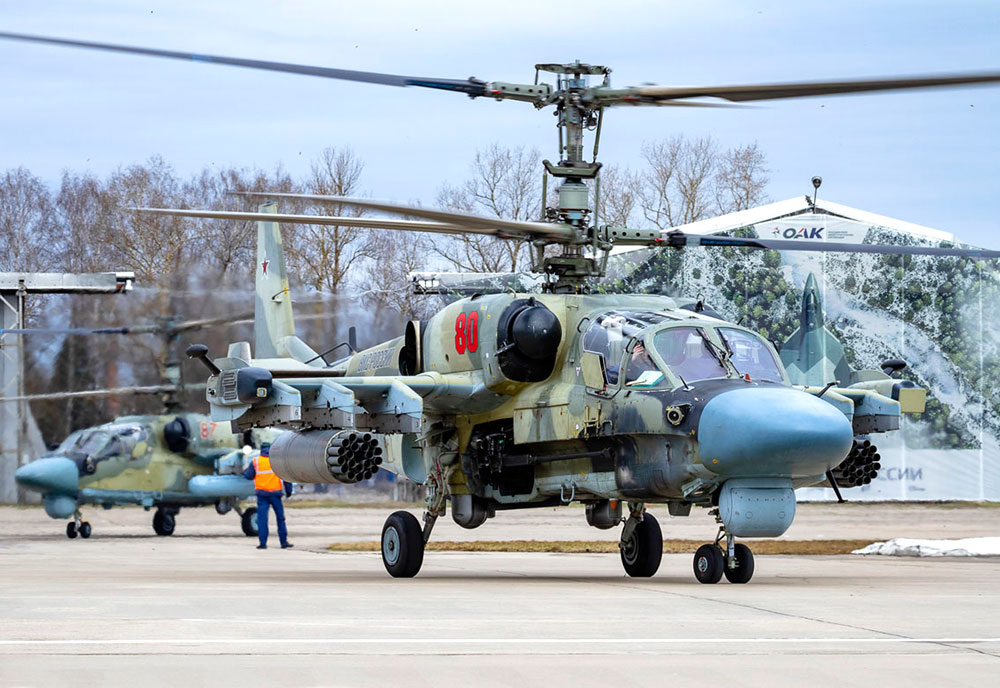
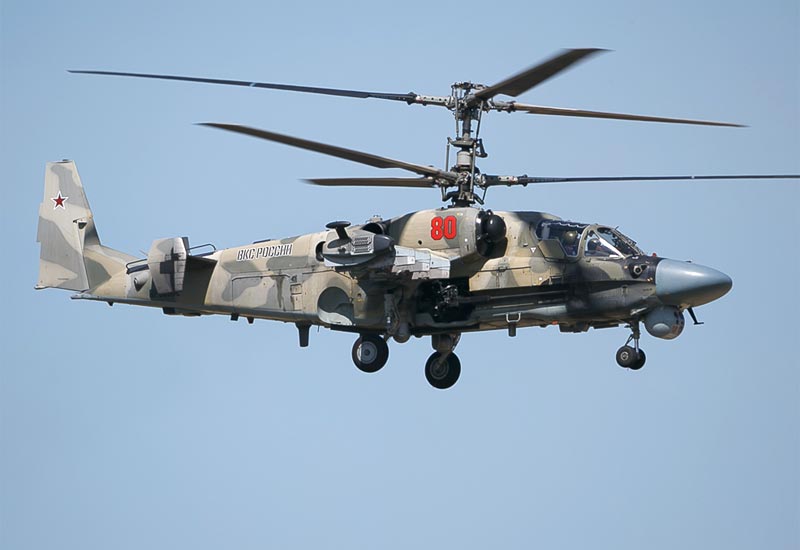
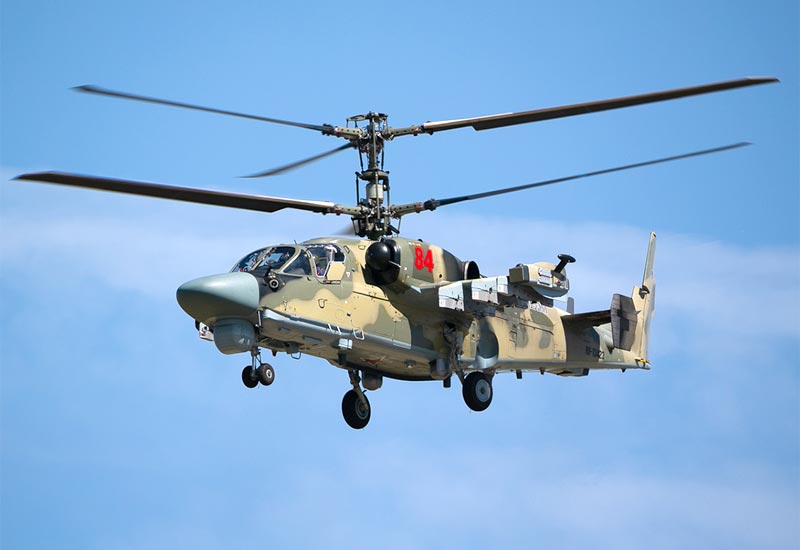
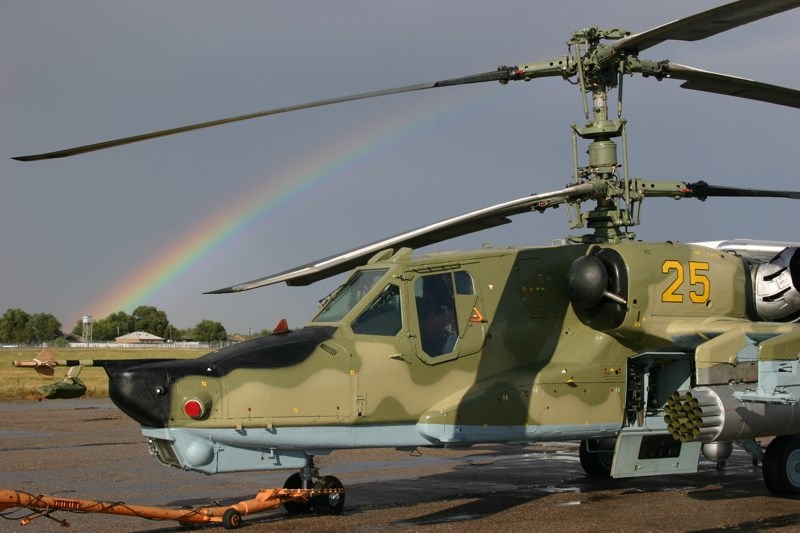
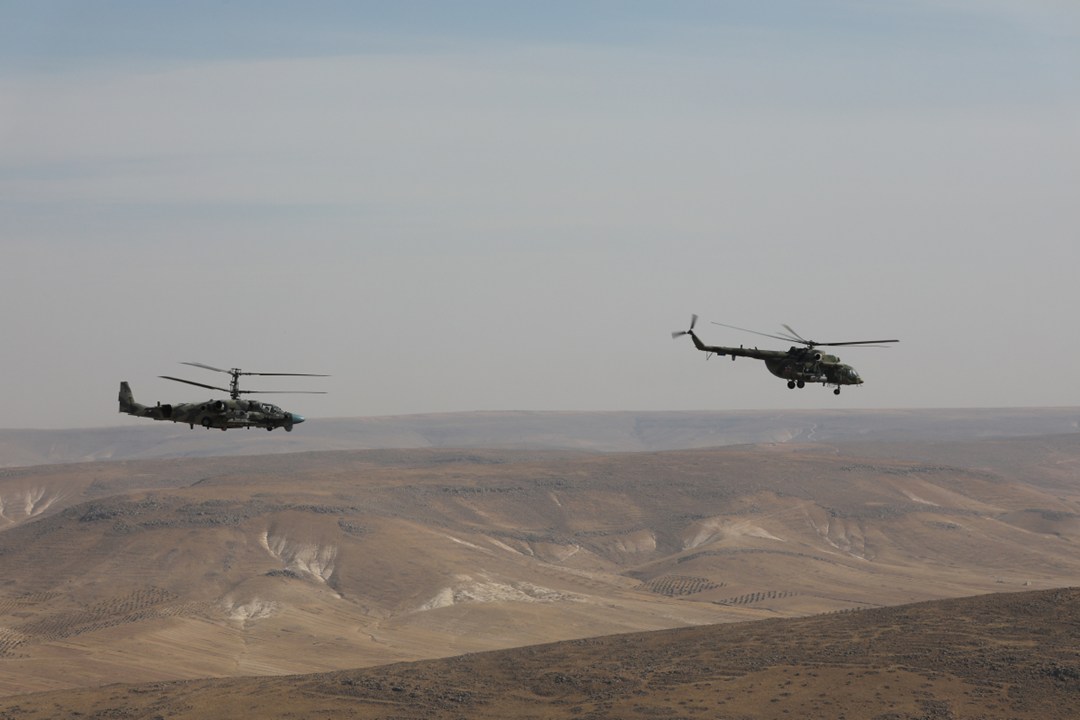
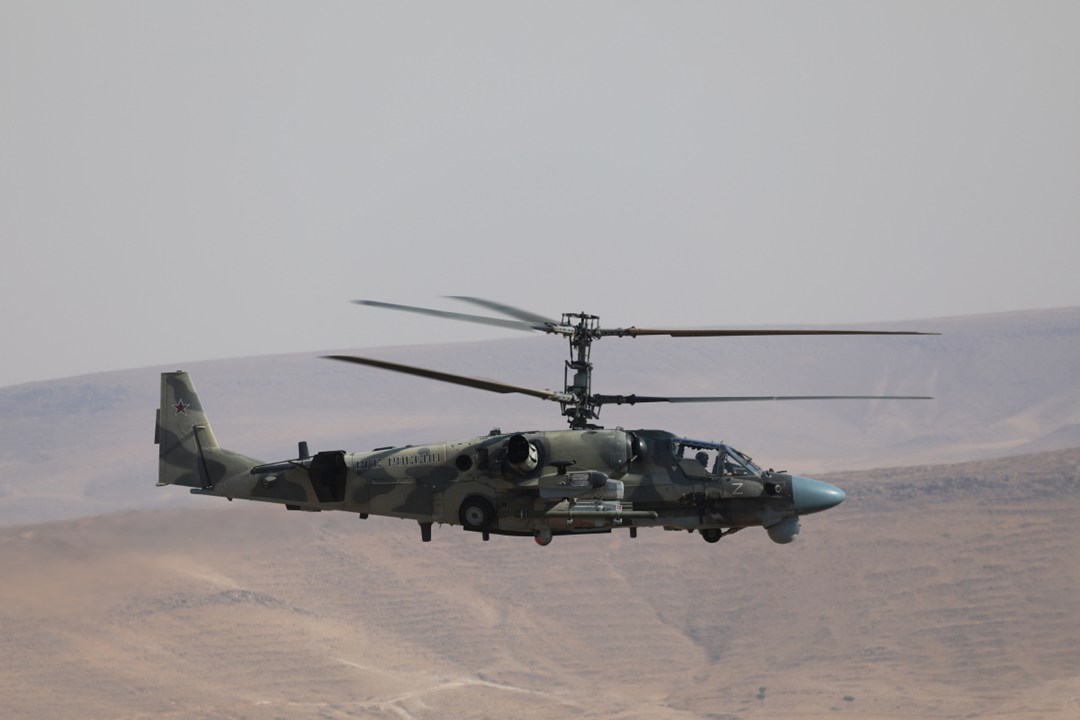
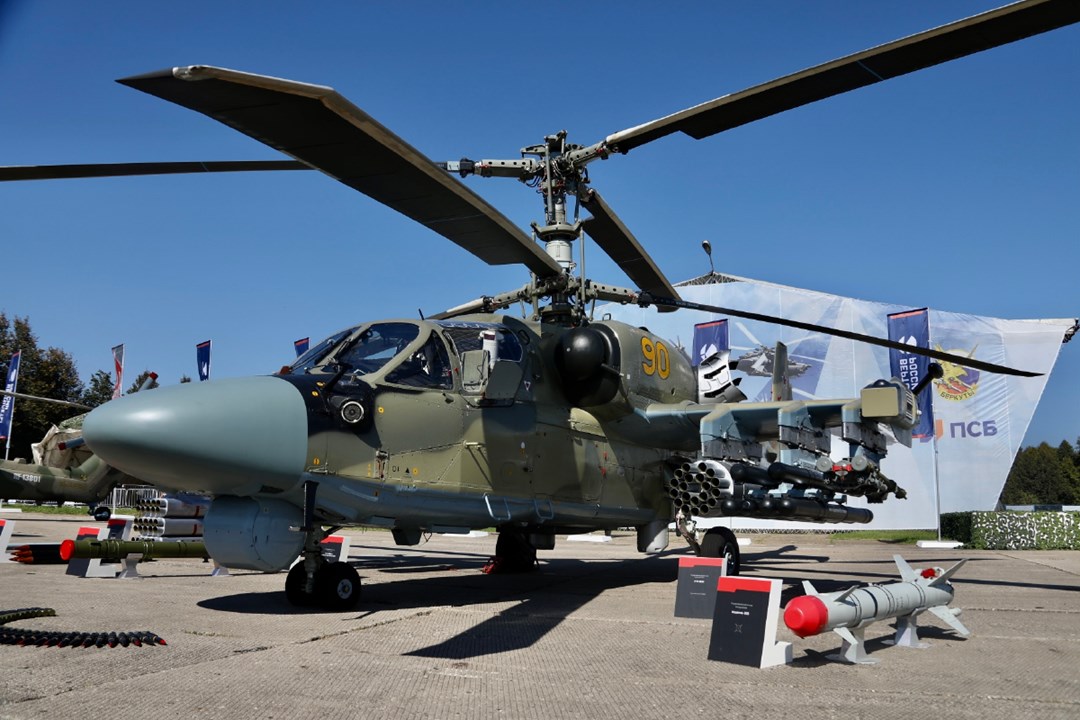
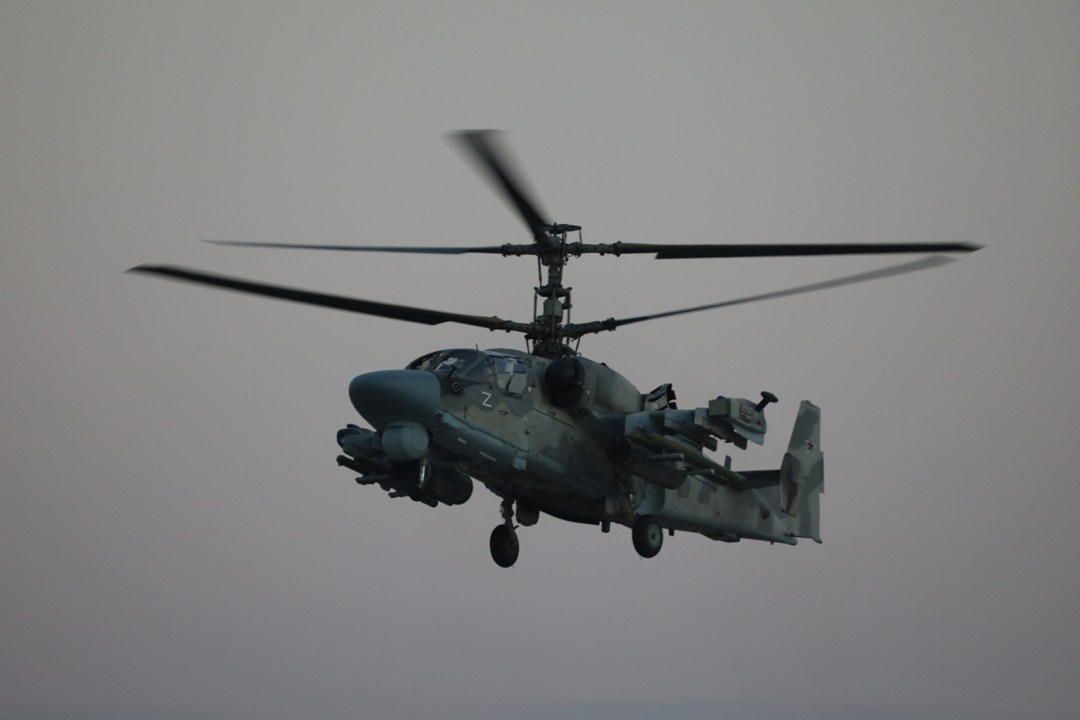
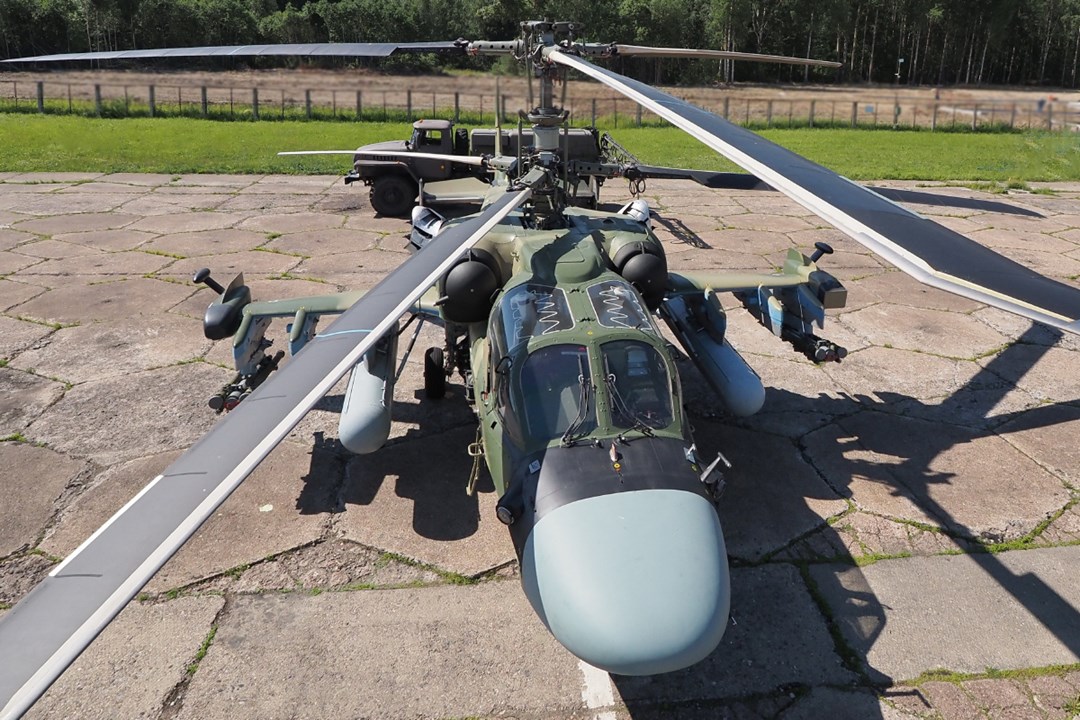
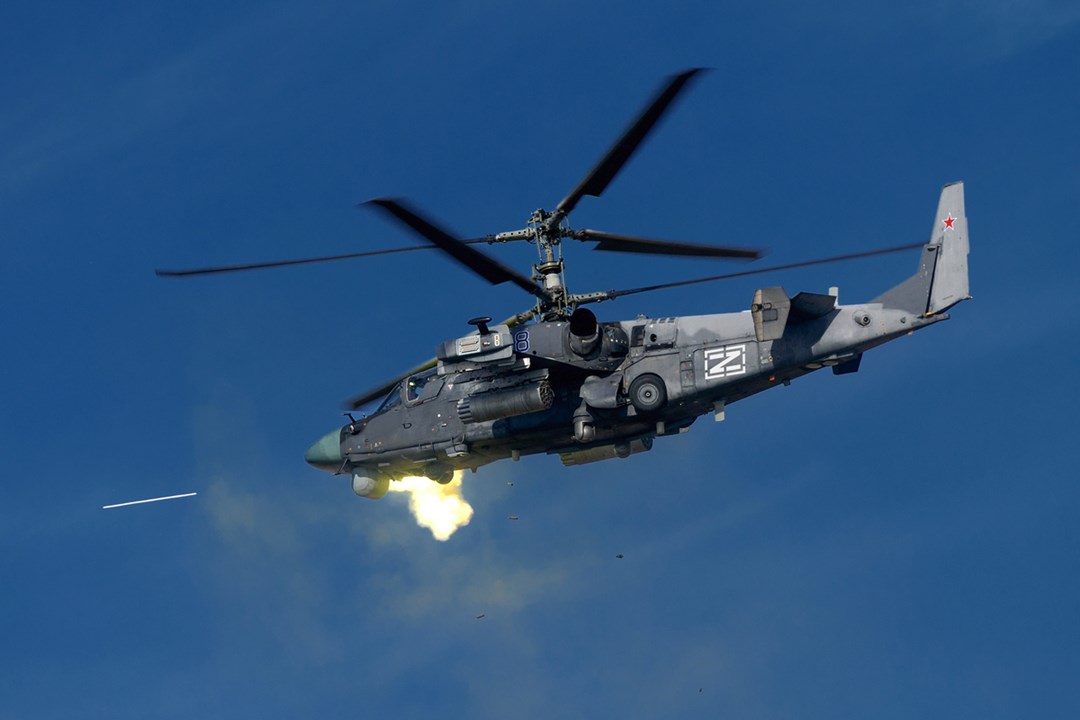
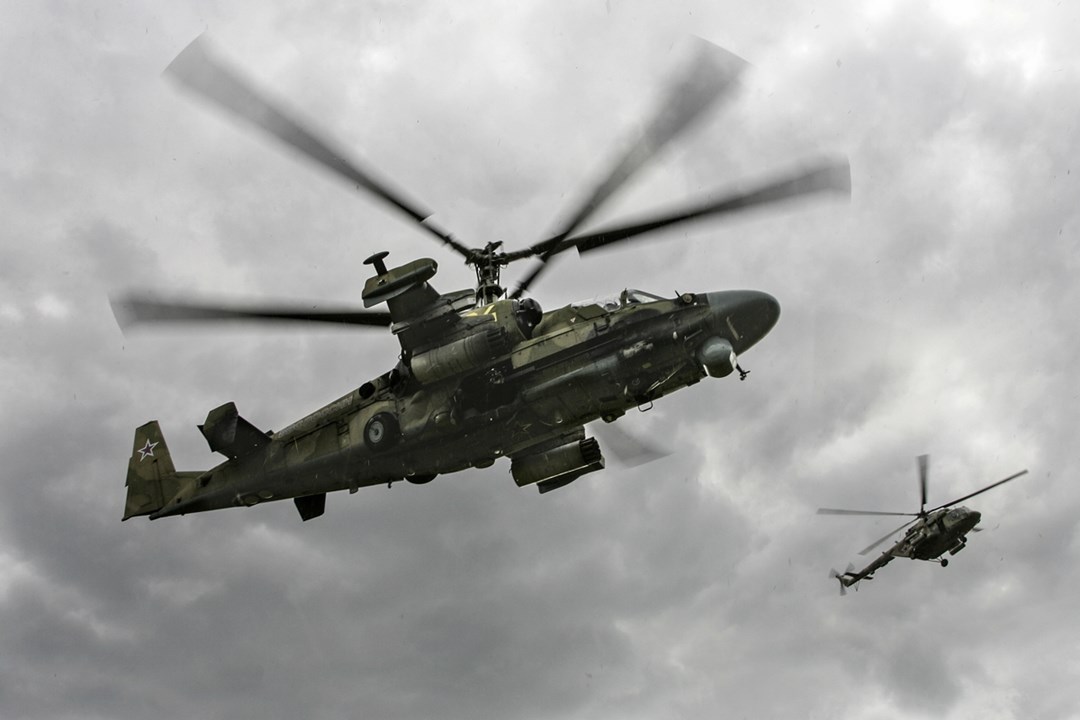
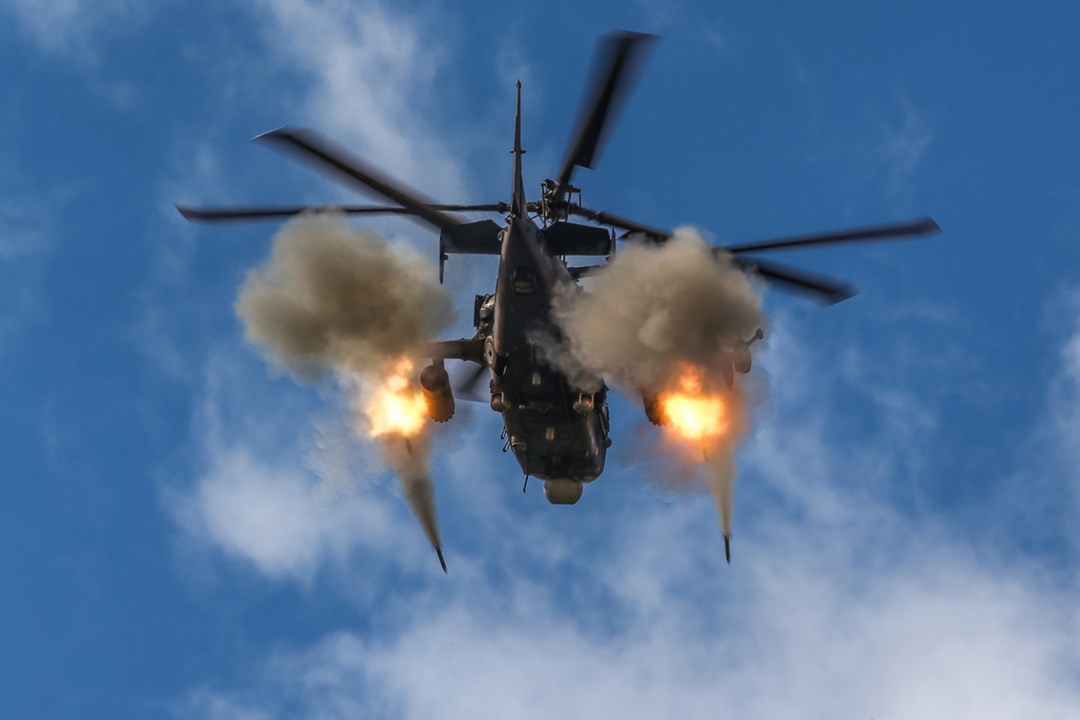
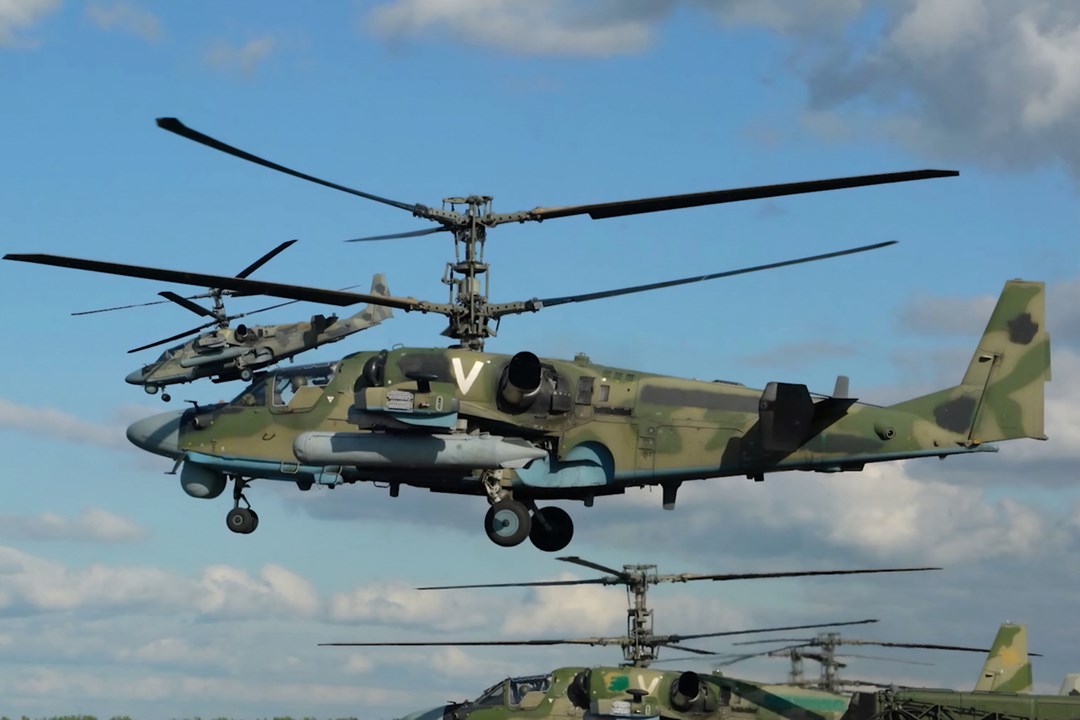
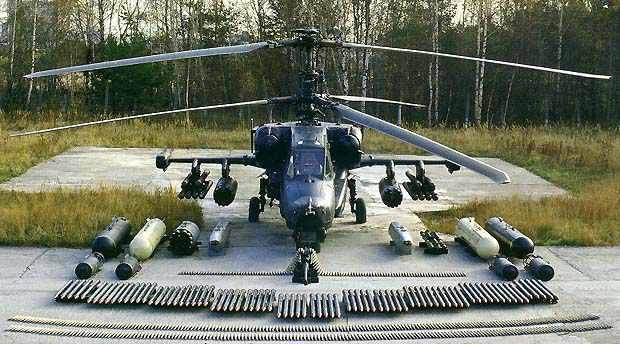
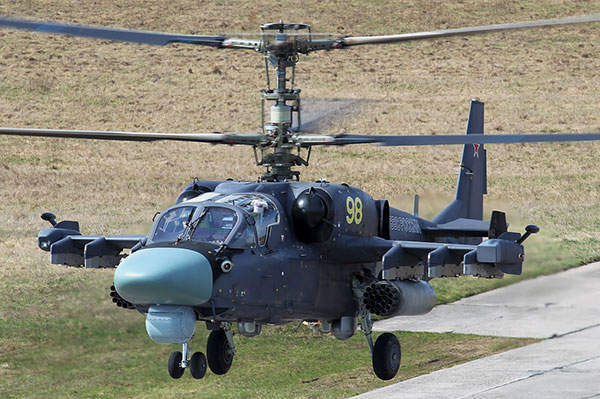
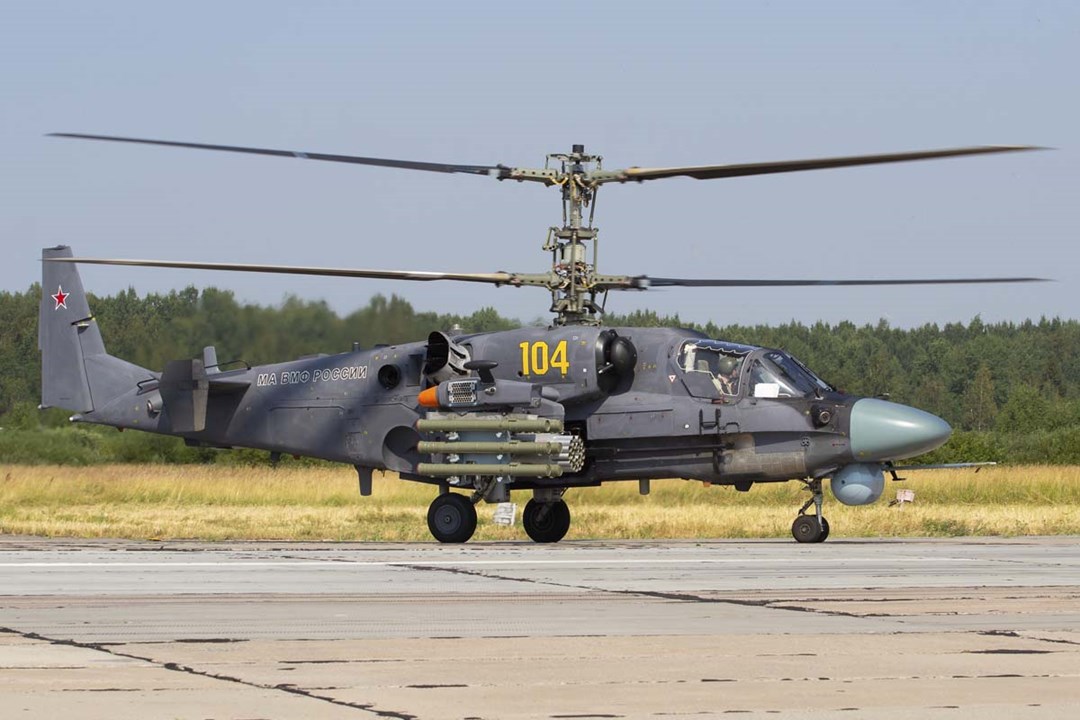
The Kamov Ka-52 "Alligator" (Hokum-B) is an upgraded form of the original Ka-50 "Hokum" attack helicopter line. While the Ka-50 utilized a single-seat cockpit, the most notable difference in the new mark is the twin-seat, side-by-side cockpit. The development of this attack helicopter began in 1994 leading to a first flight recorded on June 25th, 1997. While the Ka-52 includes a radar suite, additional crew member, and all-new designation it more or less retains the same form and function as well as armament capabilities of the original. Additionally, the platform supports all-weather, day/night attack environments due to its various upgrades that include FLIR, TV sighting, helmet-mounted sighting, laser rangefinder, and mast-mounted radar antenna. The Ka-52 is billed as an armed reconnaissance and combat platform able to take on the roles of assault, Close-Air Support (CAS), convoy protection, and armed patrols. The helicopter maintains its weaponry under its short wing stub assemblies which allow for four underwing hardpoints. Onboard countermeasures, including signature reduction features, chaff/flare dispensers, and crew/critical systems armoring enhances battlefield survivability. Each pilot is also afforded K-37-800M shock-absorbing ejection seats. The twin-seat arrangement sports control redundancy meaning either pilot can manage the flight control aspects of the helicopter. The avionics suite is all-modern (complete with a high level of automation for reduced crew workloads) and the weapons suite flexible to support a broad range of weaponry. Attention has also been given to reduced maintenance and repair times by providing for better accessibility of key systems and components. The Alligator features the Kamov helicopter trademark coaxial main rotors arrangement (2 x three-bladed systems) which eliminates the need for a countering tail rotor unit (this also increased battlefield survivability to an extent). These main rotors are driven by 2 x Klimov VK-2500 series turboshaft engines which support "hot-and-high" operations as well as cold weather service. Performance includes a maximum speed of 300 km/h with a cruising speed nearing 260 km/h. The ferry range is 1,100 kilometers with a combat radius of about 460 kilometers. Its operational service ceiling reaches 5,500 meters. The Ka-52 carries a 30mm 2A42-1 cannon along the starboard side of its fuselage. There is limited traversal given which requires the pilots to position the entire aircraft in the direction of fire but overall accuracy is said to be better than that of a turreted chin gun seen in other modern attack helicopters. Beyond this standard installation, the wing stubs of the helicopter support Anti-Tank Guided Missiles (ATGMs), rockets, rocket pods, gun pods, and cannon pods as required. To date, the Ka-52 has only been adopted by the Russian Air Force with possible plans to feature it in the Russian Navy as well dependent upon successful procurement of a new amphibious warship/helicopter carrier. The Air Force is planning on a Ka-52 stock of 140 helicopters with the Navy adding a possible 40 more units.

Air & Air Defense Specifications
Crew 2
Engine Turboshaft (2400 hp)
Max Speed 310.0 km/h
Range 460.0 km
Wingspan 7.34 m
Rotor Diameter 14.50 m
Payload Capacity 2800 kg
Variants
Kamov V-80 Prototype version for Ka-50.
Kamov Ka-50 Single-seat version.
Kamov Ka-50N Ka-50 with night attack capability.
Kamov Ka-50Sh Ka-50 with improved night attack capability.
Kamov Ka-50-2 "Erdogan" Version with a two-seat tandem cockpit.
Kamov Ka-52 "Alligator" Highly upgraded version with a two-seat side-by-side cockpit for the Russian Air Force.
Kamov Ka-52K "Katran" Naval version with folding blade and reinforced landing gear, wing shortened for basing on ships and the possibility of using Kh-35 anti-ship missile.
Ka-52M The new version announced by the Russian Ministry of Defense in 2018 eventually crystalized into the Ka-52M; 114 helicopters of this new version are to be acquired. Additionally, older Ka-52s are to be upgraded to Ka-52M standard. The contract for the first 30 Ka-52Ms was signed in August 2021. A new contract was signed in August 2022. Upgrades embodied in the Ka-52M include a modernized GOES-451M electro-optical targeting turret with an increased range, stronger undercarriage wheels, and improved cockpit ergonomics, with better adaptation to the use of night-vision goggles. The LMUR missile is added to the helicopter's armament options. Several new radar types are being considered for the Ka-52M. A new self-protection system will also be fitted to the Ka-52M, replacing the current L370-5 Vitebsk. Lastly, the Ka-52M is adapted to work within a new battlefield command and control system. The Russian military received its first 10 modified Ka-52M helicopters on 4 January 2023. The state defense order for the helicopters was doubled in 2023.
System
Alternative Designation Ka-52 Alligator; Kamov Ka-52 Alligator ; NATO: Hokum B
Type Two-seat version of the Ka-50
Mission Reconnaissance, target designation and assignment, ground communications and combat support
Manufacturer Kamov
In Service 2008-Present
Crew 2 (pilot, weapons officer) ea
Blades, Main Rotor Each rotor has three blades with swept tips
Blades, Tail Rotor No tail rotor necessary in this configuration
Number of Engines 2 ea
Day/Night Capable Yes, unlike the Ka-50 which is very restricted when operating at night
All Weather Capable Yes
Takeoff or Landing Limitations INA
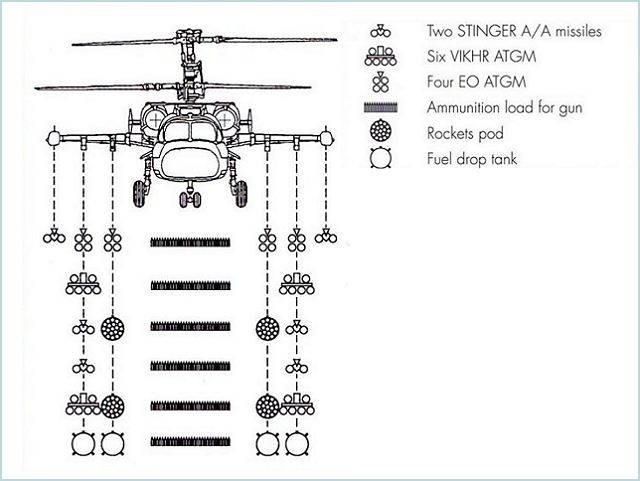
Number of Hard Points 6 total (1 inner, 1 middle, 1 tip on each wing)
Digital Autopilot Yes
Maximum Pylons Capacity 2,300 kg
Landing Gear Two-wheel nose landing gear retracts to the rear under the cockpit
Autonomous Mode Capable Yes
Note #1 The lack of a tail rotor enables the aircraft to perform flat turns within the entire flight speed range
Dimensions
Length, with Rotors 16 m
Length, without Rotors 13.53 m
Rotor Diameter 14.50 m
Wingspan 7.34 m
Height 4.95 m
Weight, Empty 8,550 kg
Weight, Takeoff Normal 10,400 kg
Weight, Takeoff Maximum 12,500 kg
Disc Area 330.4 m sq
Payload Capacity 2,800 kg
Rotor Payload 37.80 kg/sq m
Power Payload 2.84 kg/hp
Pylons 6 total (1 inner, 1 middle, 1 tip on each wing)
Pylons Maximum Load 2,000 kg
Automotive
Engine Name 2 x turboshaft Klimov TV3-117VMA-SB3
Engine Type Turboshaft
Engine Power 2,400 shaft hp each
Speed, Maximum Level 310 km/h
Speed, Maximum Dive 350 km/h
Speed, Cruise 270 km/h
Speed, Backwards 90 km/h
Speed, Sideways 80 km/h
Range, Combat Radius 250 km
Range, Normal Radius 520 km
Range, Ferry 1,200 km
Climb Rate 480 m/min
Ceiling Hover 3,600 m
Ceiling Service 5,500 m
Load Factor 3.5 g (max vertical)
Endurance INA
Side-Mounted Gun
System
Name 1 x Shipunov 2A42,
Type Autocannon
Caliber 30 mm
Manufacturer Tulamashzavod
In Service 1980-Present
Length 3.027 m
Barrel Length 2,416 mm
Barrels 1 ea
Action Gas-operated
Rate of Fire, Low 200 to 300 rds/min
Rate of Fire, High 550-800 rds/min (high)
Effective Firing Range (AP-t) 2,000 m
Maximum Firing Range (HEI) 4,000 m
Azimuth -2 deg 30 min to 9 deg
Elevation -37 deg to 3 deg 30 min
Feed System Twin Feed
Ammunition
Name 3UOF8
Type HEI
Caliber 30 mm
Cartridge 30 × 165
Muzzle Velocity 960 m/s
Armor Penetration INA
Projectile Weight 389 grams
Bursting Charge 49 grams
Note armor-piercing and high-fragmentation incendiary, pilot/gunner selectable
Basic Load 460 ea
Wing Mounted Weapons
Note The ka-52 can also equip: INNER PYLON Rockets: B-8 V-20 80-mm rocket pod carrying 20 S-80 rockets Bombs: UPK-23-250 250-kg FAB-250 bomb 500-kg FAB-500 bomb 500-kg KAB-500Kr bomb KMGU cluster bomb Anti-Radar: Kh-25MP (AS-10 Kegler) missile MIDDLE PYLON: Anti-Tank: 6 x Vikhir-M (AT-9 Whirlwind) laser-guided missiles Rockets: B-8 V-20 80-mm rocket pod carrying 20 S-80 rockets B-13 122-mm rocket pod carrying 5 S-13 rockets Bombs: 250-kg FAB-250 bomb 500-kg FAB-500 bomb 500-kg KAB-500Kr bomb KMGU cluster bomb Other: ECM/aiming containers fuel tank aiming stations for Ka-50 TIP PYLON: Anti-Air: 2 or 4 Igla-V (SA-16 Gimlet)
Rocket System
Name S-8 Rocket
Type Rocket
Rocket Pod Type B series of rocket pods, carrying either seven or 20 rockets.
Number of Rocket Pods 4 ea
Rocket Length 1.56 m
Rocket Diameter 80 mm
Launch Weight 11.5 kg
Warhead Type HEAT
Warhead Weight 3.6 kg
Motor BIK-2D motor powder
Fuze Type N-26A fuze
Maximum Effective Range 4 km
Minimum Effective Range 1.3 km
Speed 692 m/s
Armor Penetration 350 mm versus RHA
Basic Load 80 separate S-80 Rockets in four B-8 Series Rocket Pods ea
Missile System
Name R-60 Missile (AA-8 Aphid")
Type Short-range lightweight infrared homing air-to-air missile
In Service 1974-Present
Manufacturer Vympel
Length 2,090 mm
Diameter 120 mm
Wingspan 390 mm
Warhead Type 3 kg
Engine Solid-fuel rocket engine
Guidance System Infrared Homing
Detonation mechanism Proximity
Operational Range 8 km
Flight Altitude 20,000 m
Speed Mach 2.7
Basic Load INA
Note The Ka-52 can also equip R-73 X-25ML (AA-11 Archer) missiles
Anti-Tank Guided Missile System
Name 9K121 Vikhr (AT-16 Scallion)
Type Laser-Guided ATGM Missile
In Service 1985-Present
Length 2.80 m
Diameter 130 mm
Wingspan 380 mm
Missile Weight 45 kg
Warhead Type Tandem HEAT charge
Warhead Weight 8-12 kg
Armor Penetration (ERA) 1,000 mm
Basic Load 12 ea
Detonation Mechanism Proximity and Impact
Engine Solid-fuel rocket
Propellant Sold Fuel
Operational Range 10-12 km
Speed 600 m/s
Guidance System Laser beam riding
Fire Control and Electronics
Fire Control System Type Samshit-E system
Fire Control Radar Arbalet Radar
Sighting System Shkval electro-optical sighting system
Digital or Analog Cockpit Digital
Direct Fire Control Yes
Laser Designator Yes
Laser Rangefinder Yes
Night Vision Samshit-E optics
Position Location System Yes
IFF Yes, Slap Shot System
Heads Up Display (HUD) Yes
Helmet-Mounted Display Yes, TopOwl helmet-mounted sight display
Data Link Yes, with ground units
Infrared Camera Yes
Flight Computer Multi-level digital flight computer
Navigation System Nadir-10 navigation system
Autonomous Mode Capable Yes
Radar Warning Receiver Pastel (L-150) radar warning receiver
Laser Warning System Mak (L-136) infrared and Otklik (L-140) laser warning systems
Turett Sensor GOES-451 sensor
Protection
Armor Protection against 12.7-mm armor-piercing bullets and 23-mm projectile fragments
Cockpit Glass INA
Stealth Properties No
Heat Signature Reduction Yes, Exhaust infrared (IR) suppressors
Add on Armor INA
NBC Protection Yes
EW Counter System Yes, passive and active electronic warfare systems
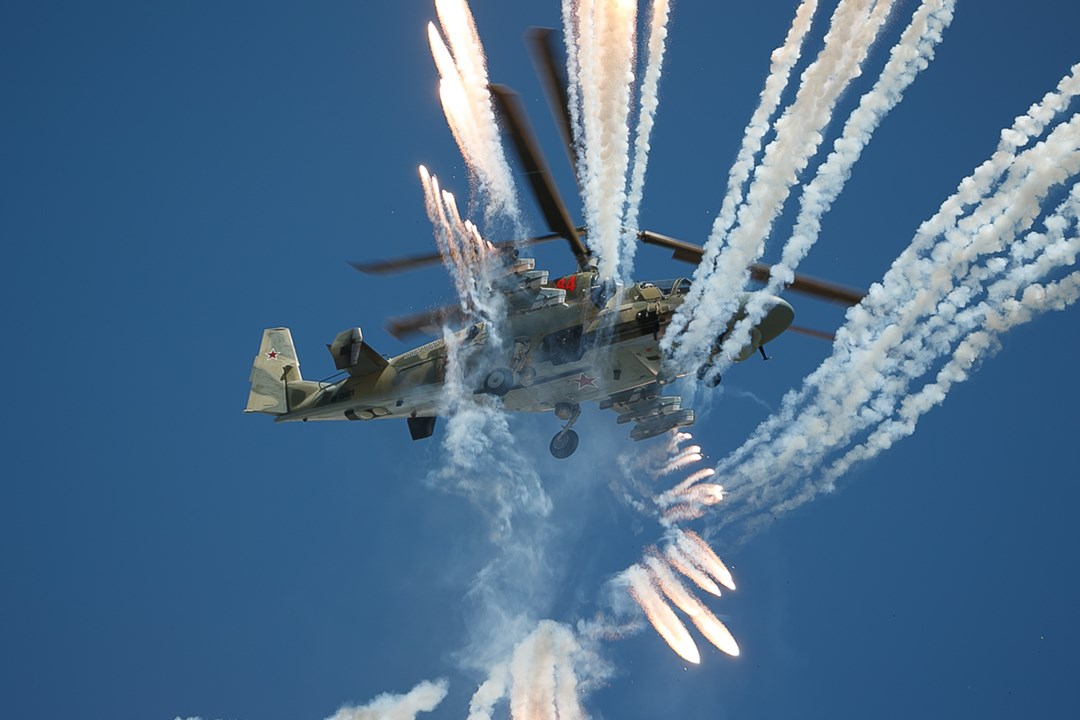
Counter Measures (Chaff/Flares) Yes, can be loaded on pylons as required
Decoys 23-mm rejector pods loaded on tip pylons as required, 32 decoys per pod
Ejection System K-37-800 rocket-assisted
Automatic Fire Suppression System Yes, autonomous fire-extinguishing system
Blast Proof Fuel Tanks Yes
Note Armored, self-sealing composite fuel cells are buried in the fuselage.
CVI: WEFT
Wings Coaxial contra-rotating rotor blades. Weapon load mount wings are straight.
Engine Engine vector exhaust, Dual air inlets.
Fuselage 2 x pilots sit side-by-side under wide canopy, Large airplane-type nose to house the radar system, Retractable landing gear. 30mm chain gun mounted on fuselage (right side).
Tail No tail rotor in this configuration. Single vertical stabilizer.
Details
Country of Origin Russia
Category Rotary Wing Aircraft
Air > Rotary Wing Aircraft
Filter Label
K
Classification
Domain
Air & Air Defense
Equipment Status
Active
Dimensions
Length
16 m
Width
7.34 m
Height
4.95 m
Weight
10400 kg
Operators (4)
Russia
Egypt
North Macedonia
CFE Treaty
Something went wrong. Please reload the page. Reload