S-125 Newa (LOW BLOW) Russian Tracking and Missile Control Radar System
S-125
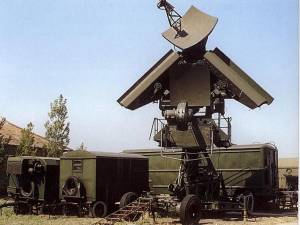
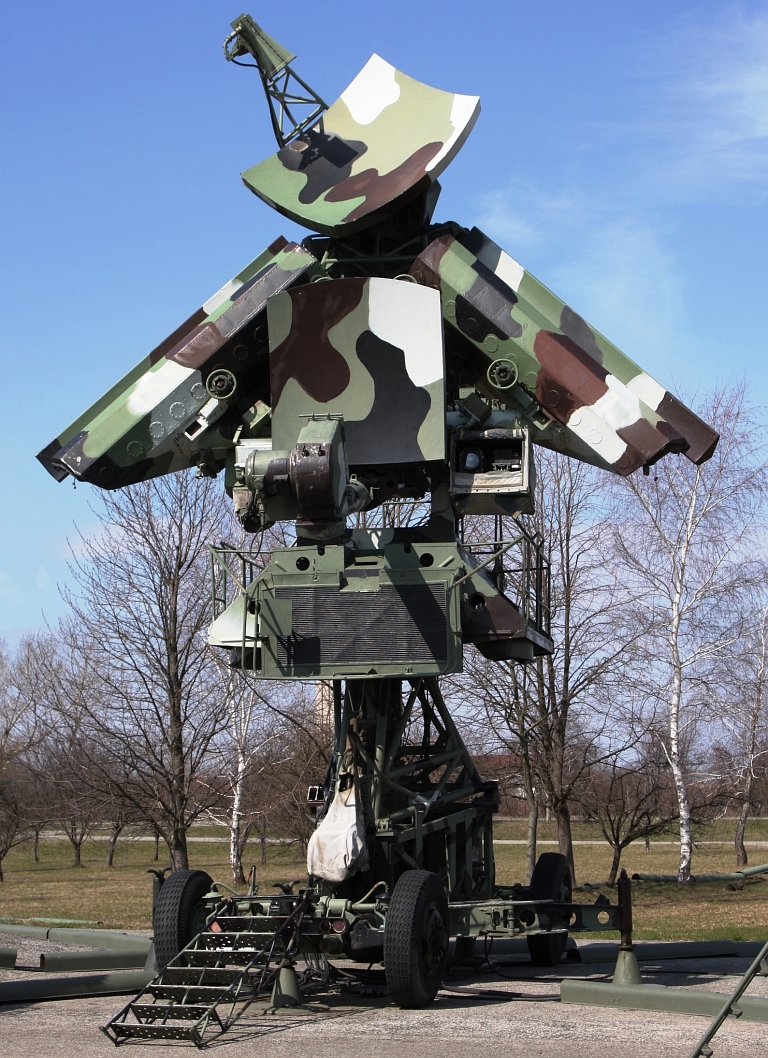
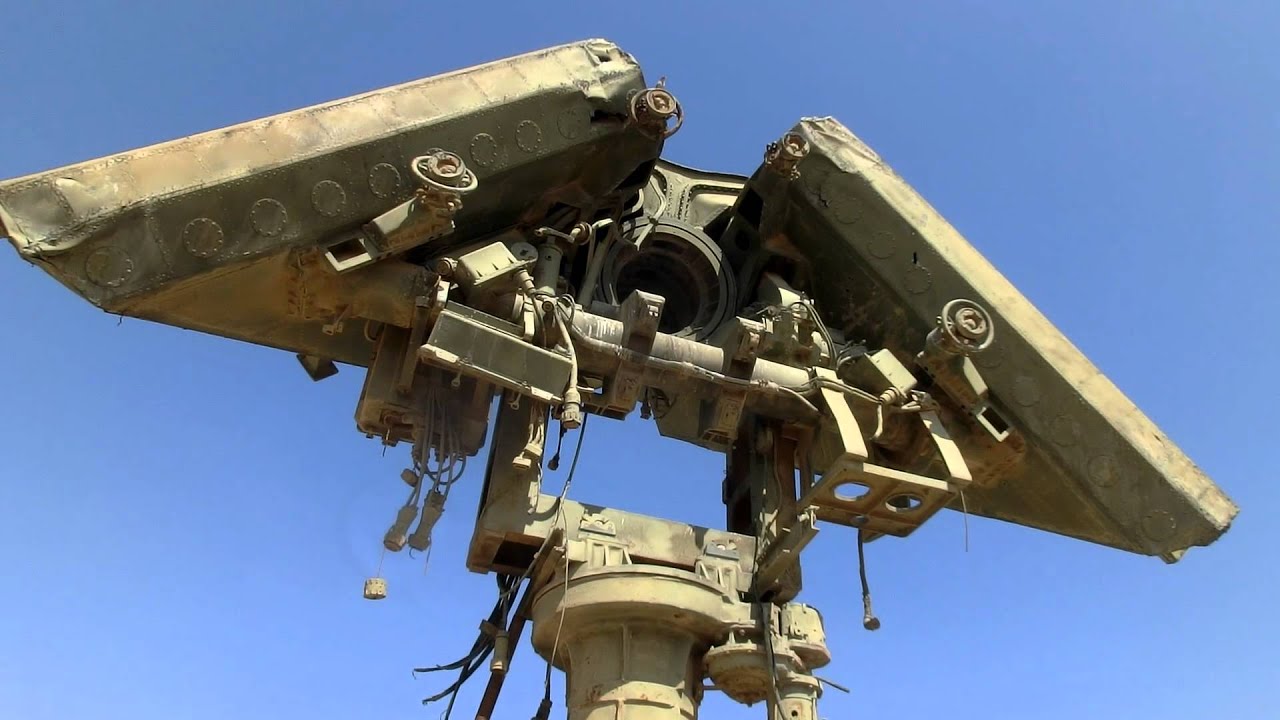

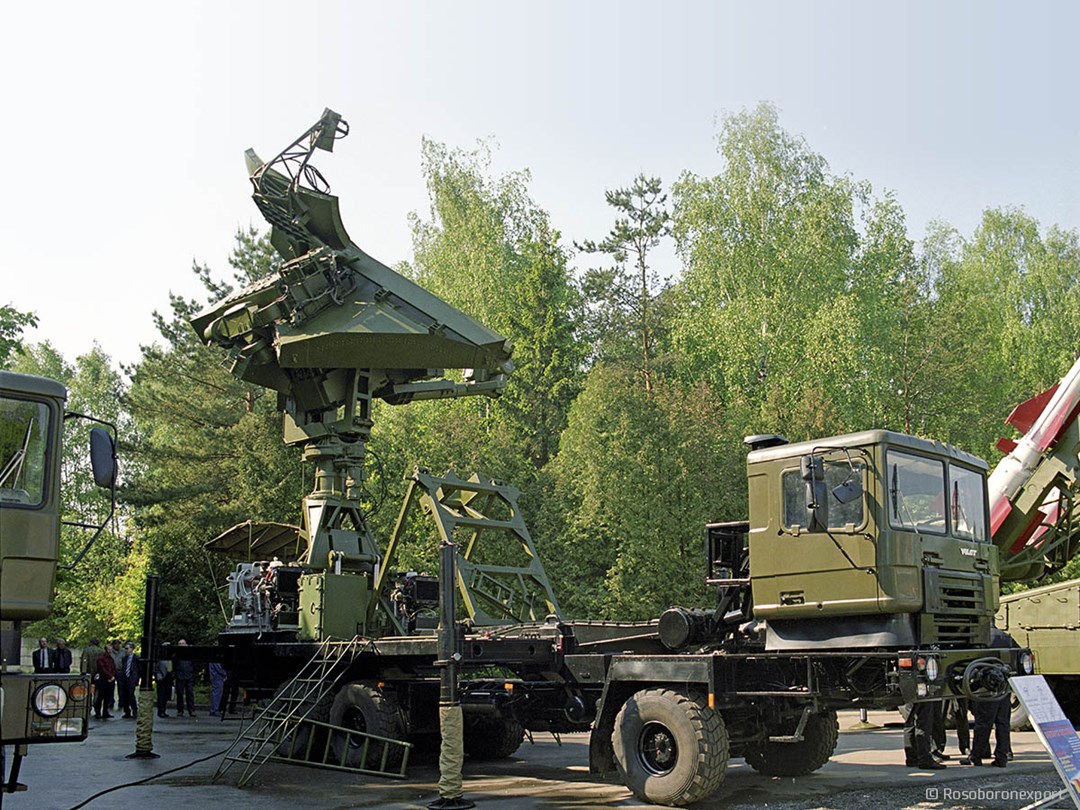
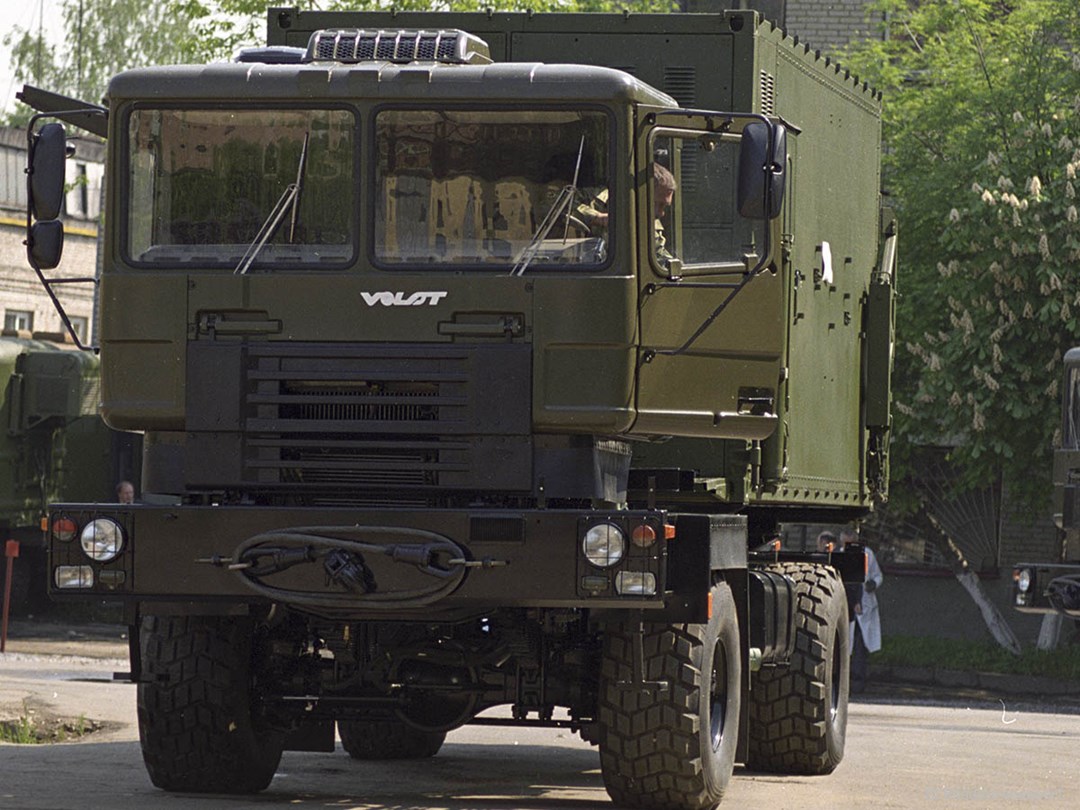
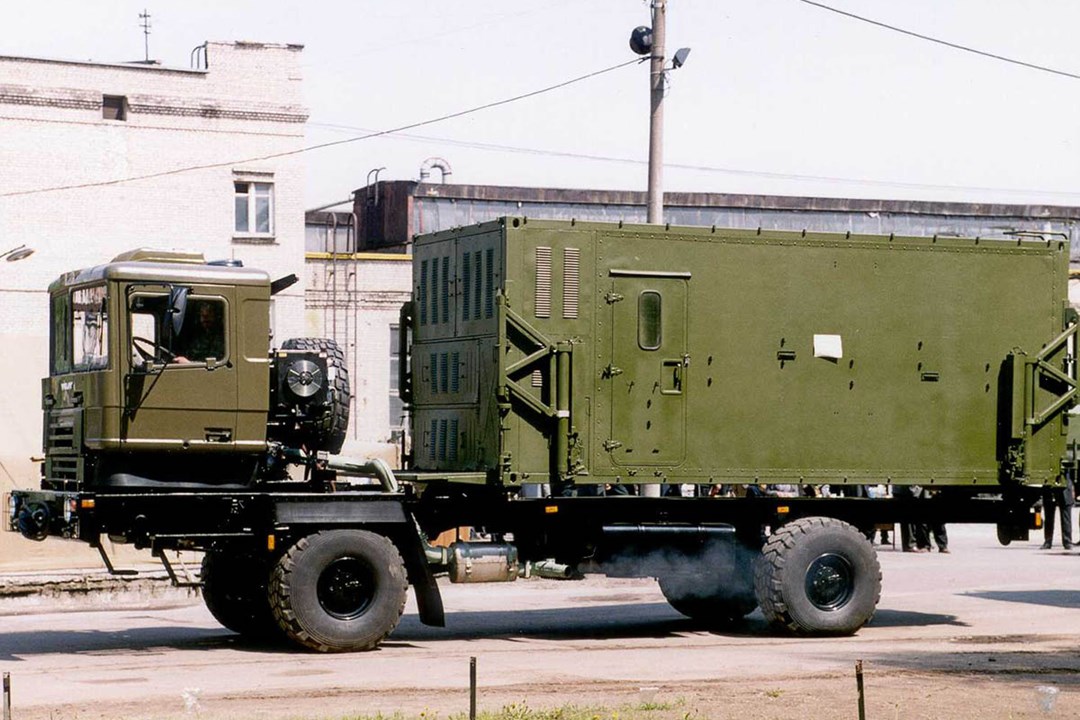

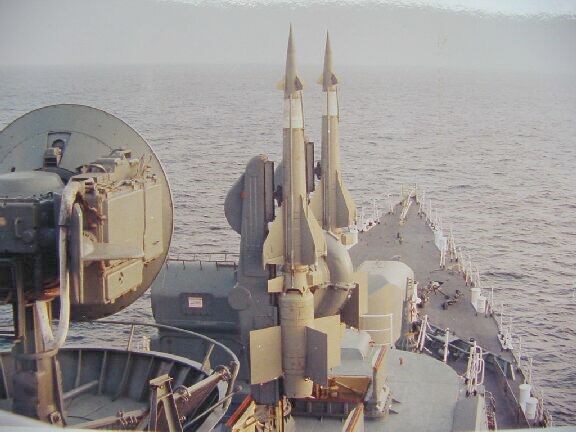
Russian designator: S-125 “Newa” (Kabina UNW) Low Blow is the NATO reporting name given to a family of I-Band radars used with land-based SA-3 “Goa” surface-to-air missiles. The name Low Blow reflects the ability of the radar to guide the missile towards low-flying targets through heavy clutter. It use pairs of electromechanically scanning (so-called Lewis scanner) antennas mounted orthogonally, but to improve low-angle performance the antennas are mounted at 45 degrees from the horizontal. Both antennas are mounted at a 45 degrees angle in an upside down “V” shape. This change was introduced to reduce ground clutter. The antennas generate sawtooth fan beams like Fan Song. Between these two antennas is a Lobe-On-Receive-Only (LORO) mode antenna. When these antennas acquire a target the system can be switched to the LORO mode, receiving from this central parabolic dish antenna. The target in Low Blow tracking antennas scan in 6 degrees swathes, the beams are about 6 degrees wide in the fan and 1 degree in the scanning direction. Inserted into the top of the inverted “V” is the square parabolic guidance command antenna with a beam with of 12 degrees. The system is equipped with a high-resolution television camera by default with an 144 mm lens. Its infrared sensitivity allows working at night and at low-light conditions.
System
deagel.com: https://www.deagel.com/x/x/a000620 deagel.com: https://www.deagel.com/x/x/a000834