SKVP (СКВП)
GIEF.461314.003 | ГИЕФ.461314.003


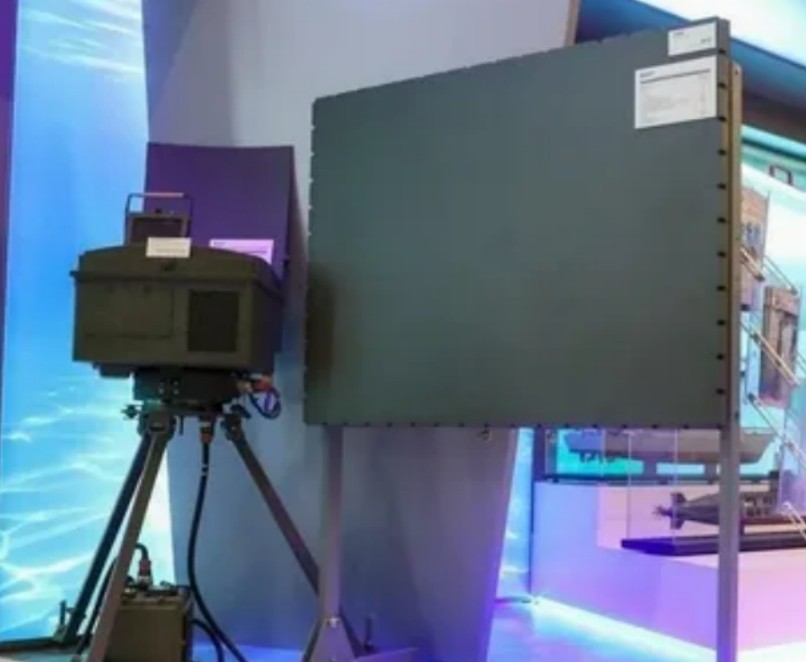
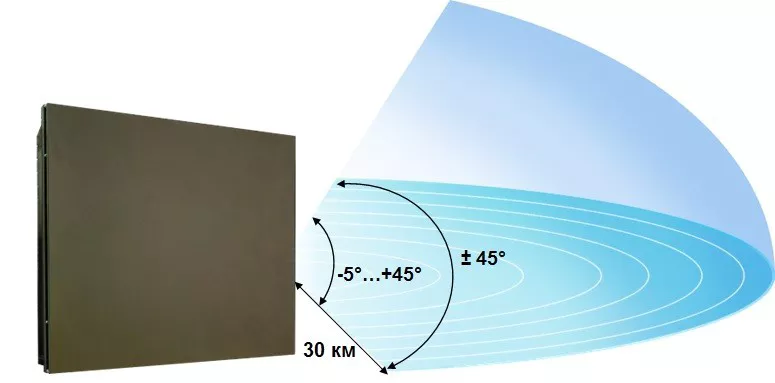
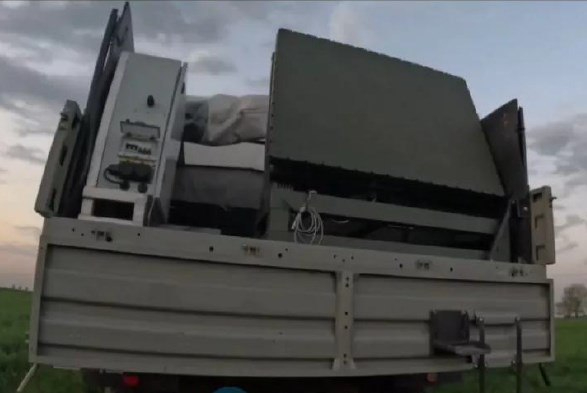
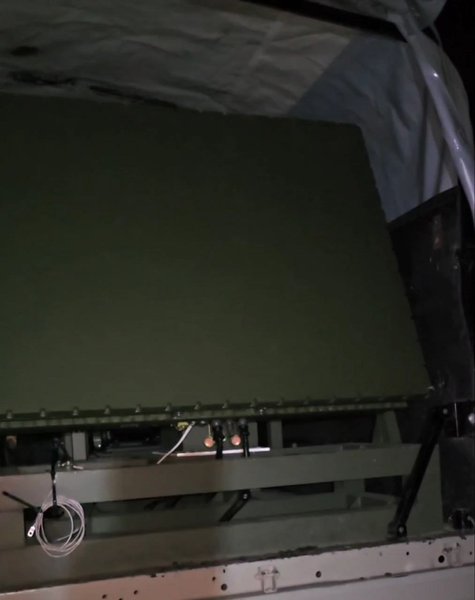
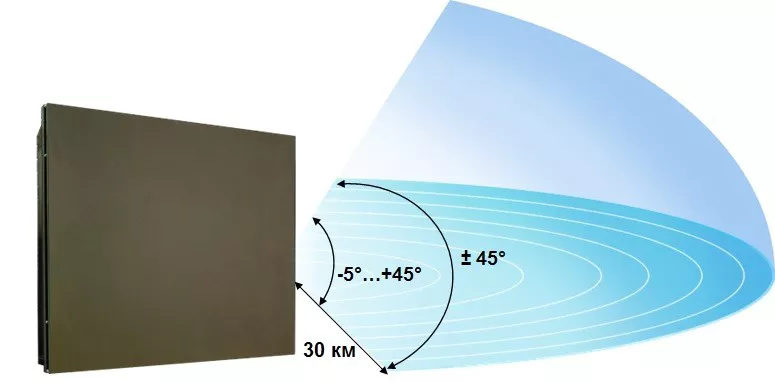


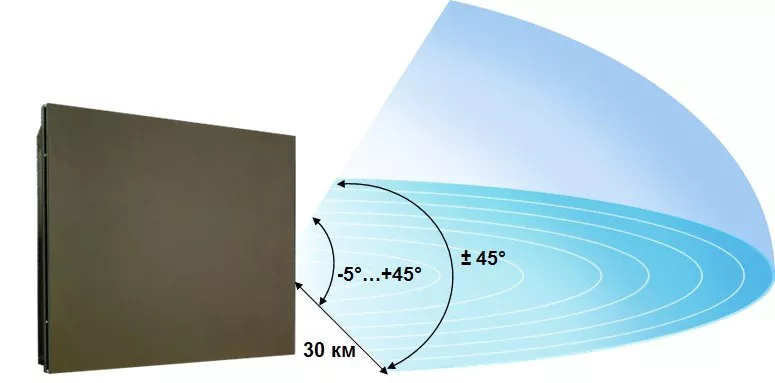

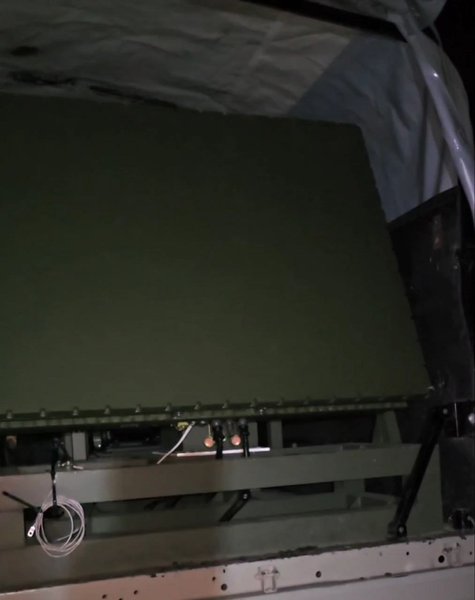
The SKVP (Система контроля воздушного пространства | Airspace Control System) is a Russian S-band fixed phased-array radar designed for counter-UAS surveillance. Developed by ЦКБА (Tula) under Vysokotochnye Kompleksy / Rostec, it entered serial production in February 2024 and forms approximately 90% of Russia's frontline counter-drone detection network. ## Radar Specifications | Parameter | Value | |---|---| | Frequency | S-band (2700–3100 MHz) | | Antenna | Fixed phased array, 1.0 × 1.2 m | | Weight | 100–110 kg per panel | | Scan Period | 4 seconds | | Azimuth | ±45° per panel (4 panels = 360°) | | Elevation | -5° to +45° | | Range Resolution | 30 m | | Simultaneous Targets | 20 | | Power | 600 W (spec) / ~1 kW (field) | | Deployment Time | < 5 minutes | | MTBF | 18,000 hours | ## Detection Ranges | Target | Range | |---|---| | Micro-drone (DJI Mavic) | 4 km | | Small FPV copter | 7 km | | Medium UAV (Orlan-10, Fury, Baba-Yaga) | 15–18 km | | Light aircraft (Cessna) | 30 km | | Large aircraft (Boeing) | 90+ km | | Cruise missiles (≥10 m/s radial) | Yes | | Hovering drones (rotor signature) | Yes | ## System Architecture Networks of 1–24 stations provide scalable coverage. Each station is a flat panel with no moving parts, deployable on tripods, vehicle beds, rooftops, or cell towers. Integration via the Небосвод | Nebosvod digital platform provides real-time target designation to Pantsir, Zubr anti-drone interceptors, EW systems, and interceptor drone teams (2–5 km from radar). A 45 kg compact variant was presented at Milex-2025 (Minsk). ## Combat Use SKVP forms ~90% of Russia's frontline counter-drone detection network (remainder: Chinese FSTH-LD02/LD03 radars). Stations are placed 5–7 km behind the front line in lowlands or wooded terrain. Their small size, no moving parts, and low emissions make them difficult to detect. Ukraine's 413th Regiment \"Raid\" (Unmanned Systems Forces) has targeted SKVP stations with FPV strike drones. AGM-88 HARM is ineffective due to the radar's low emission signature. AI/neural network integration for automated target classification announced July 2024.