HX-2 German Unmanned Aerial Vehicle (UAV)
HX-2
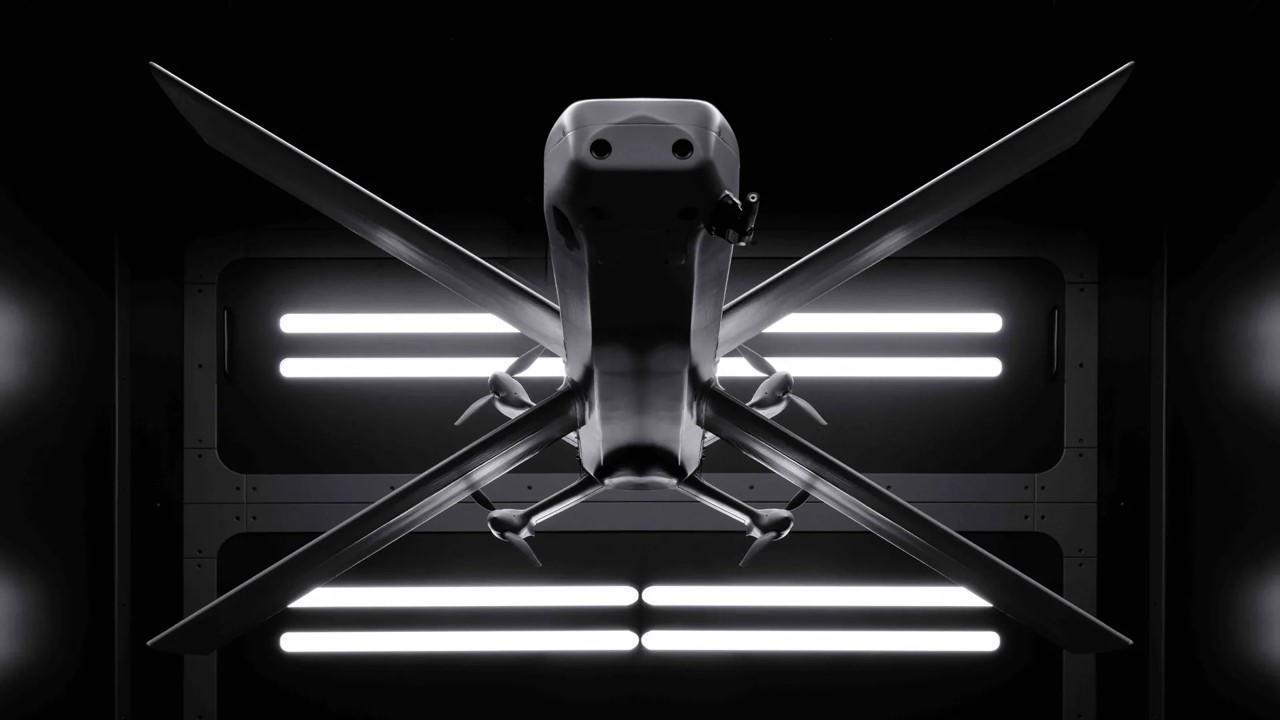


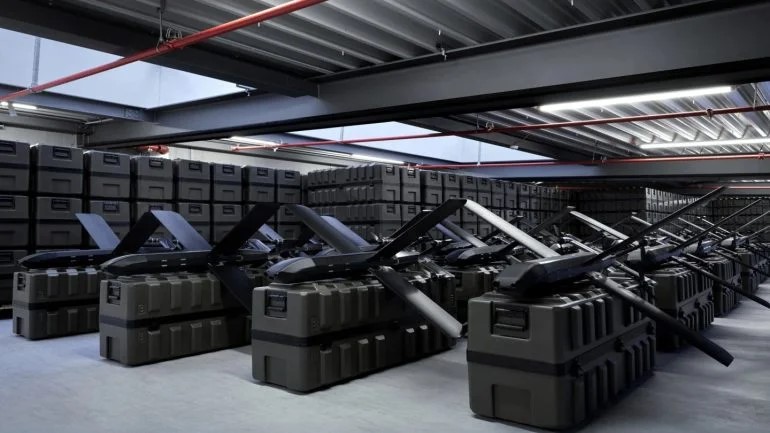

The HX-2 German Unmanned Aerial Vehicle (UAV) is a new type of strike drone: software-defined and mass-produced. It is capable of engaging artillery, armored vehicles, and other military targets at a range beyond line-of-sight (up to 100km). The onboard AI, according to information provided by the company, “ensures the HX-2 is immune to electronic warfare (EW)”. This would mean that if the guidance data connection with the human operator is broken, the UAV would still be able to search for, identify, and engage targets. The jamming resistance capabilities, according to Helsing, were developed and tested in Ukraine. Over the years, Ukrainian UAVs have faced significant challenges due to Russian electromagnetic jamming techniques, which disrupt communications, rendering UAVs ineffective. One of the HX-2's standout features is its cost efficiency, achieved through scalable production infrastructure established in Europe. With its affordable manufacturing, the HX-2 complements traditional artillery systems, offering enhanced strategic flexibility and deterrence along contested borders. Now in production, the HX-2 is already deployed in Ukraine, underscoring its relevance to contemporary conflict dynamics. Helsing positions itself as a key provider of innovative defense solutions aimed at enhancing the security of democratic nations. Germany has confirmed the shipment of 4,000 HX-2 drones to Ukraine, with the first batch expected in December 2024. This initiative is part of a broader effort by Western countries to supply Ukraine with advanced drones, such as the Turkish Bayraktar TB2 and the American Phoenix Ghost, to bolster its defensive capabilities against Russian aggression.