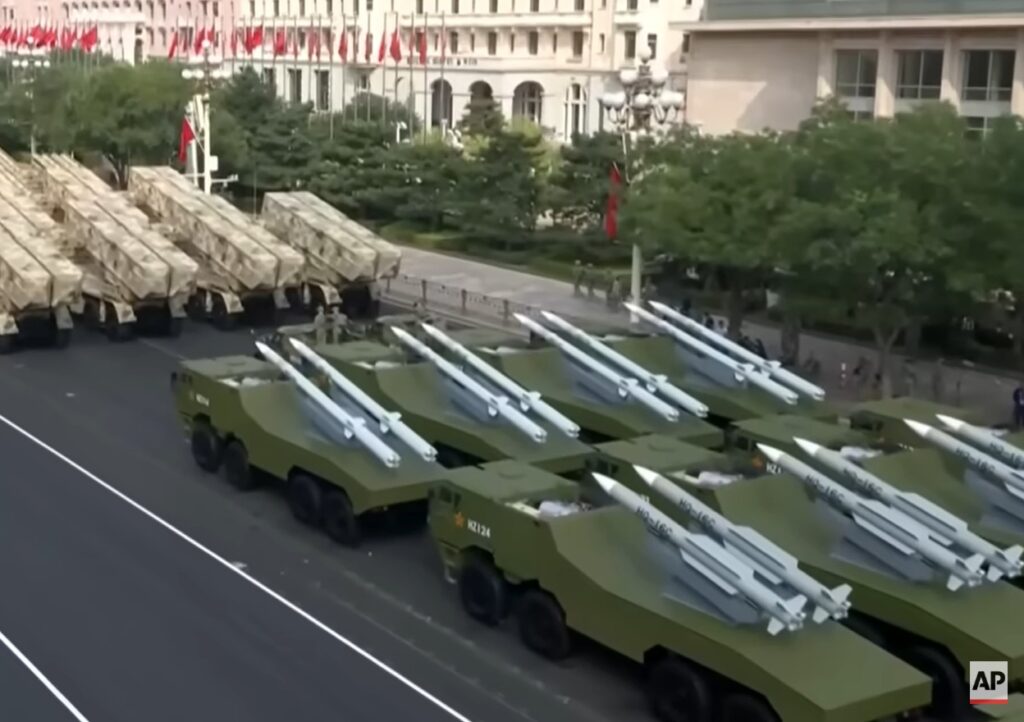
HQ-16 (SA-16) Chinese 6x6 Medium-Range Surface-to-Air Missile System
HQ-16
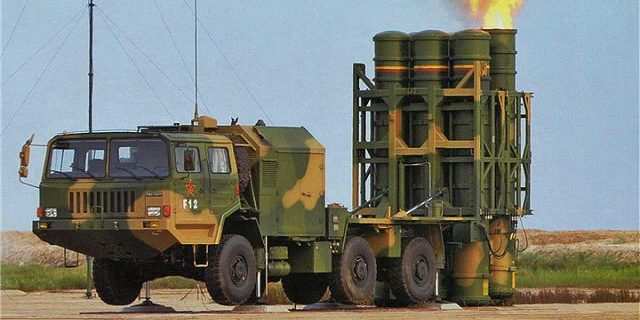

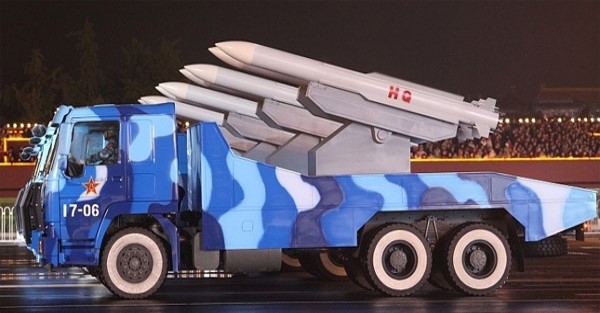
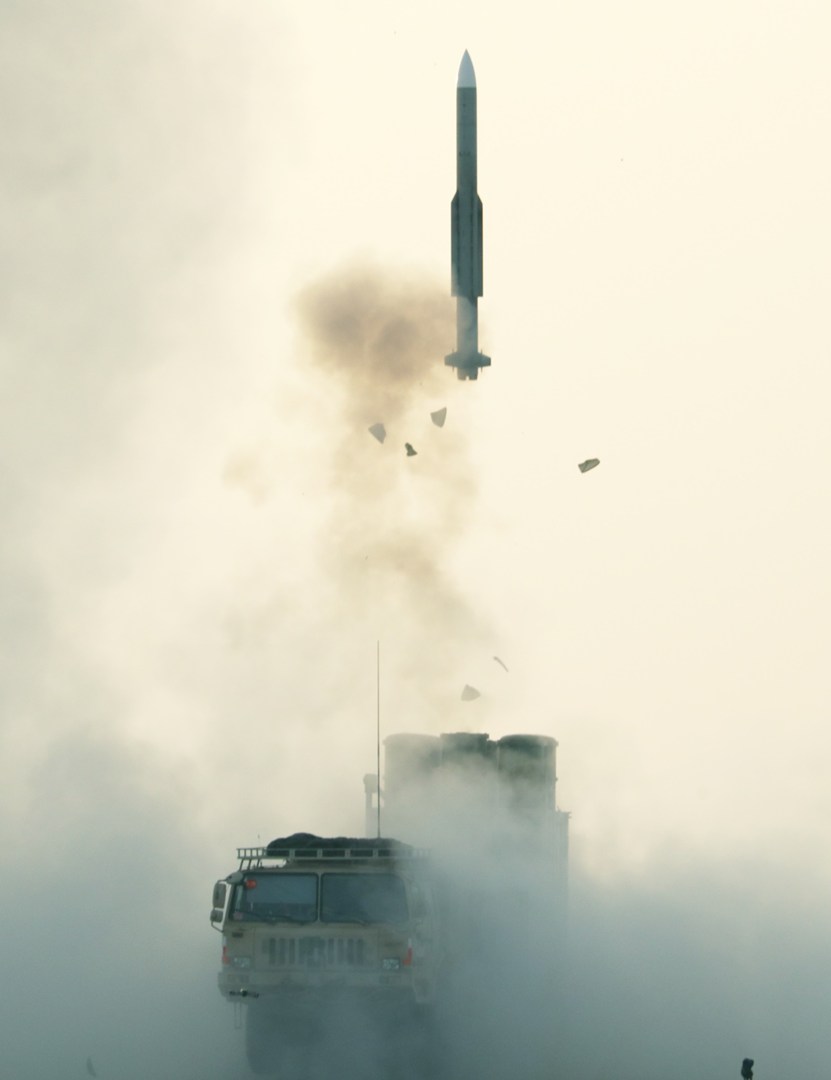
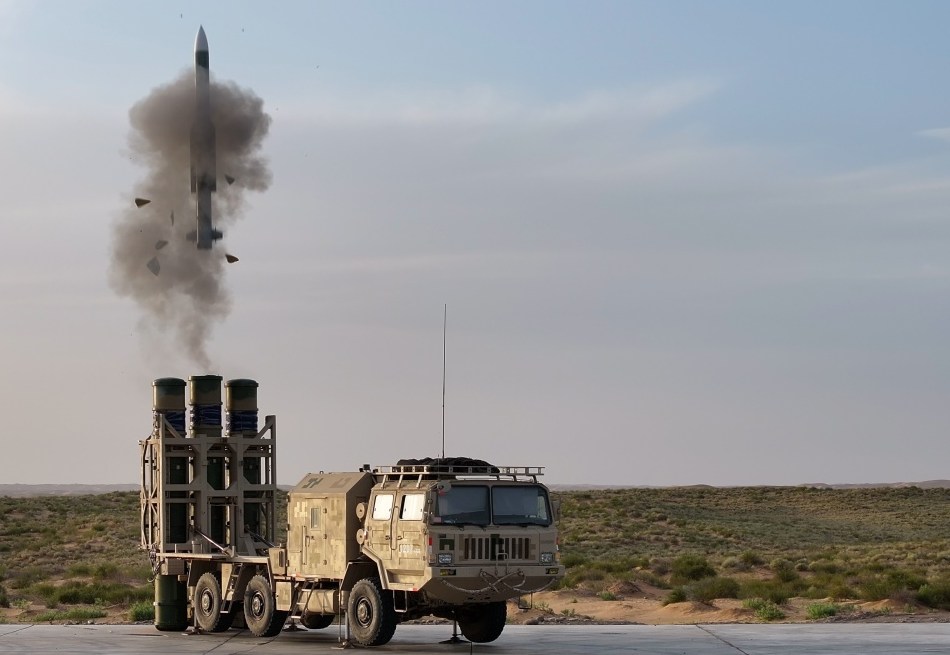
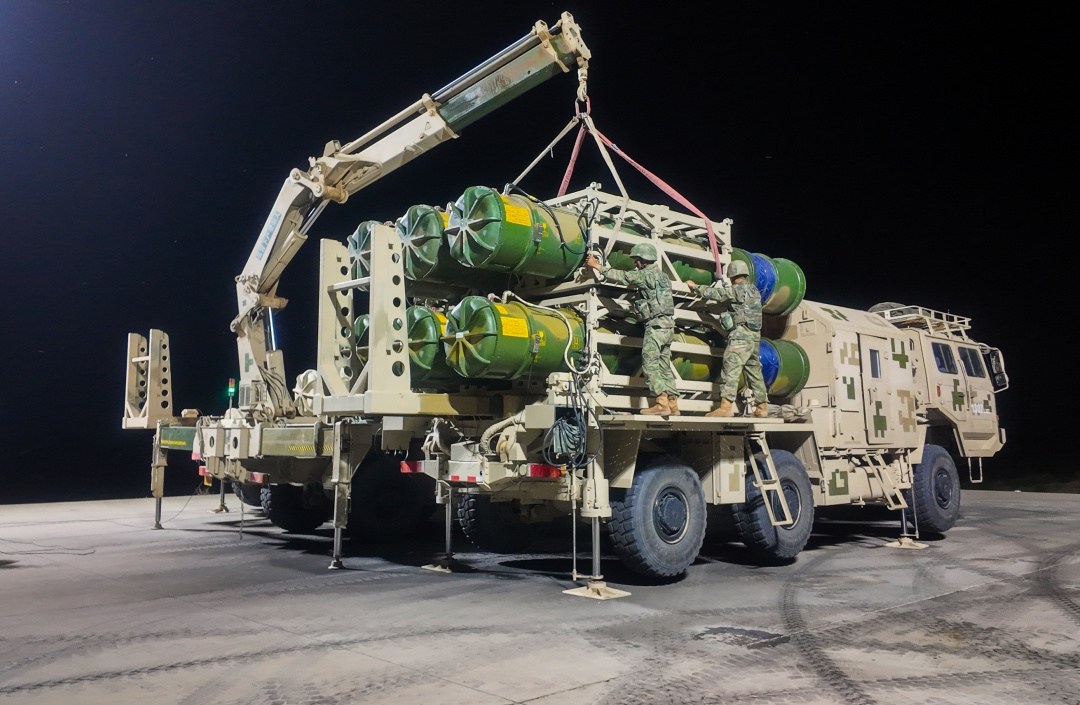
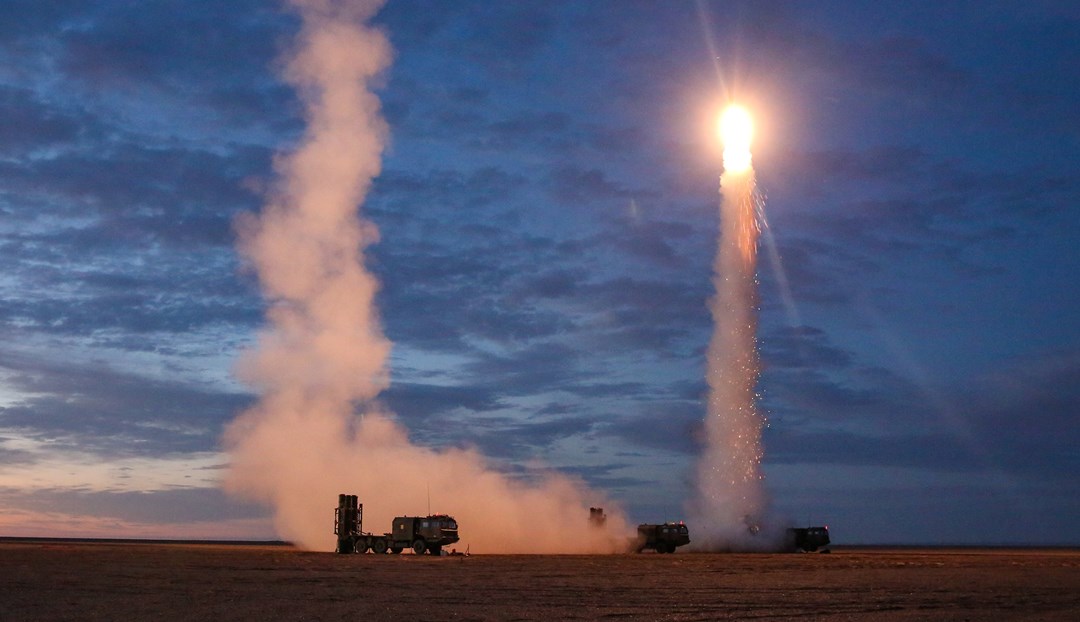
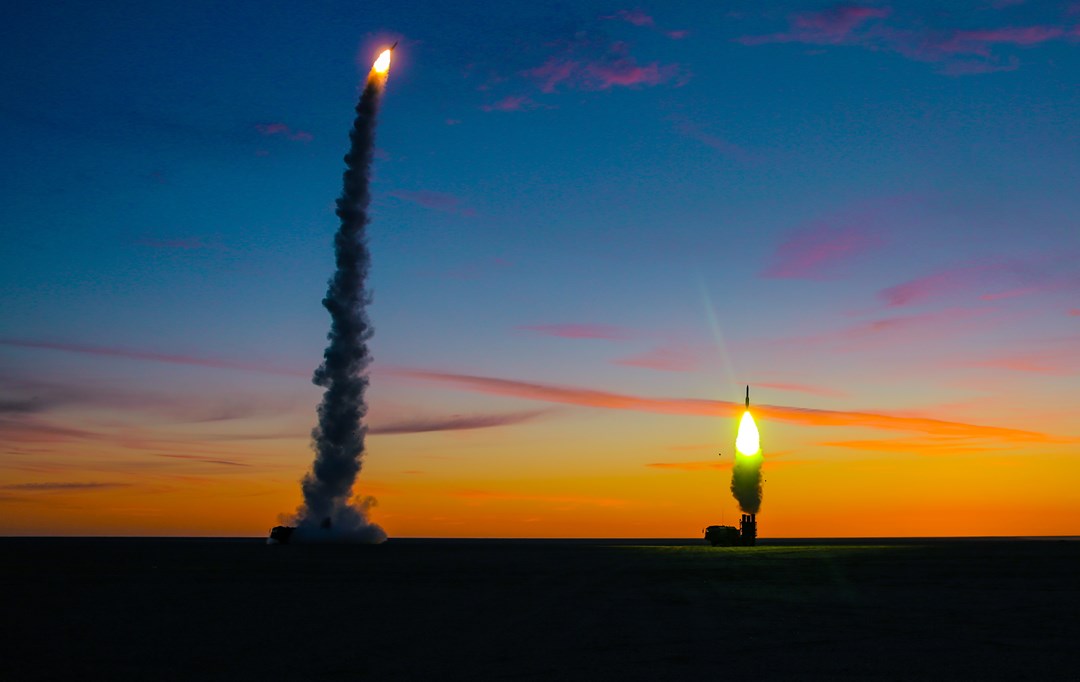
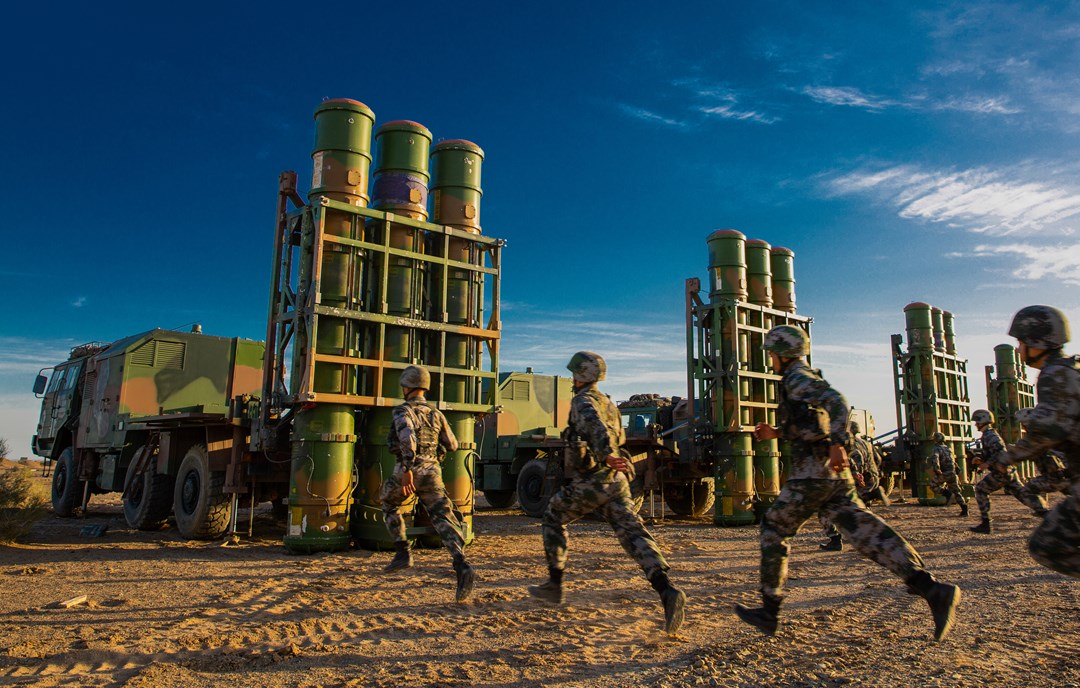
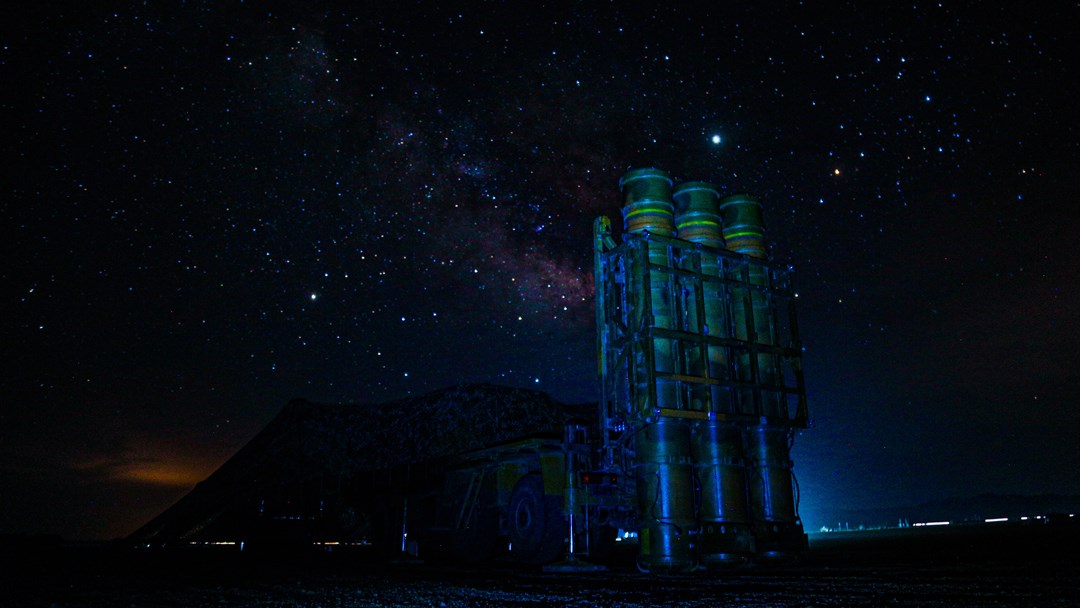
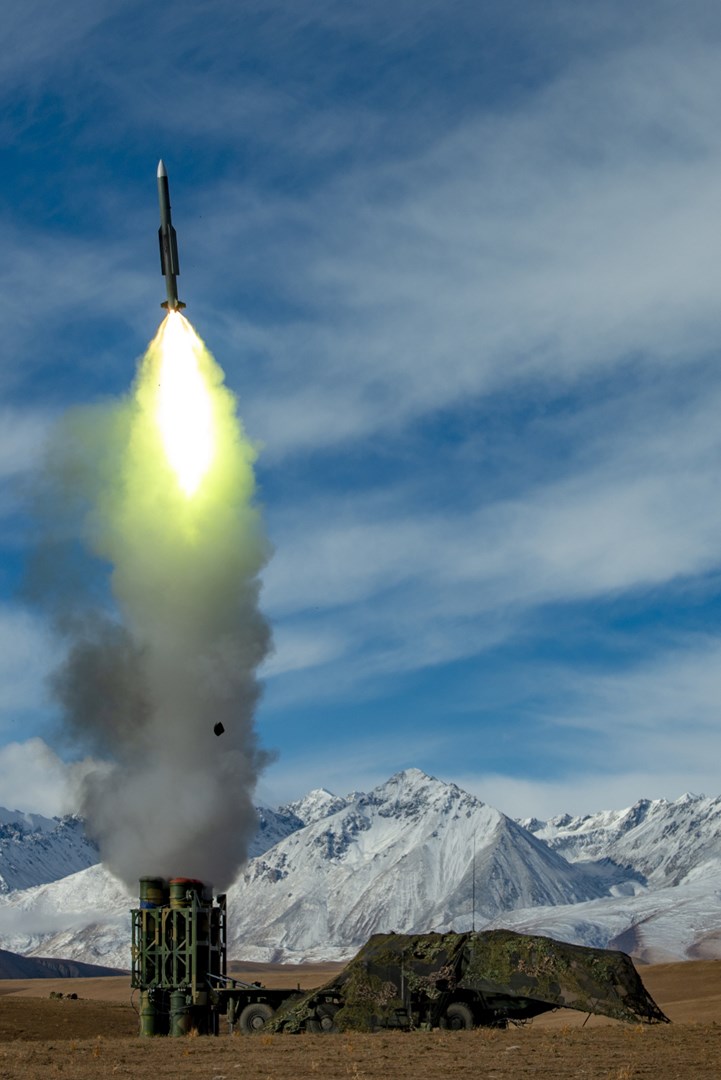
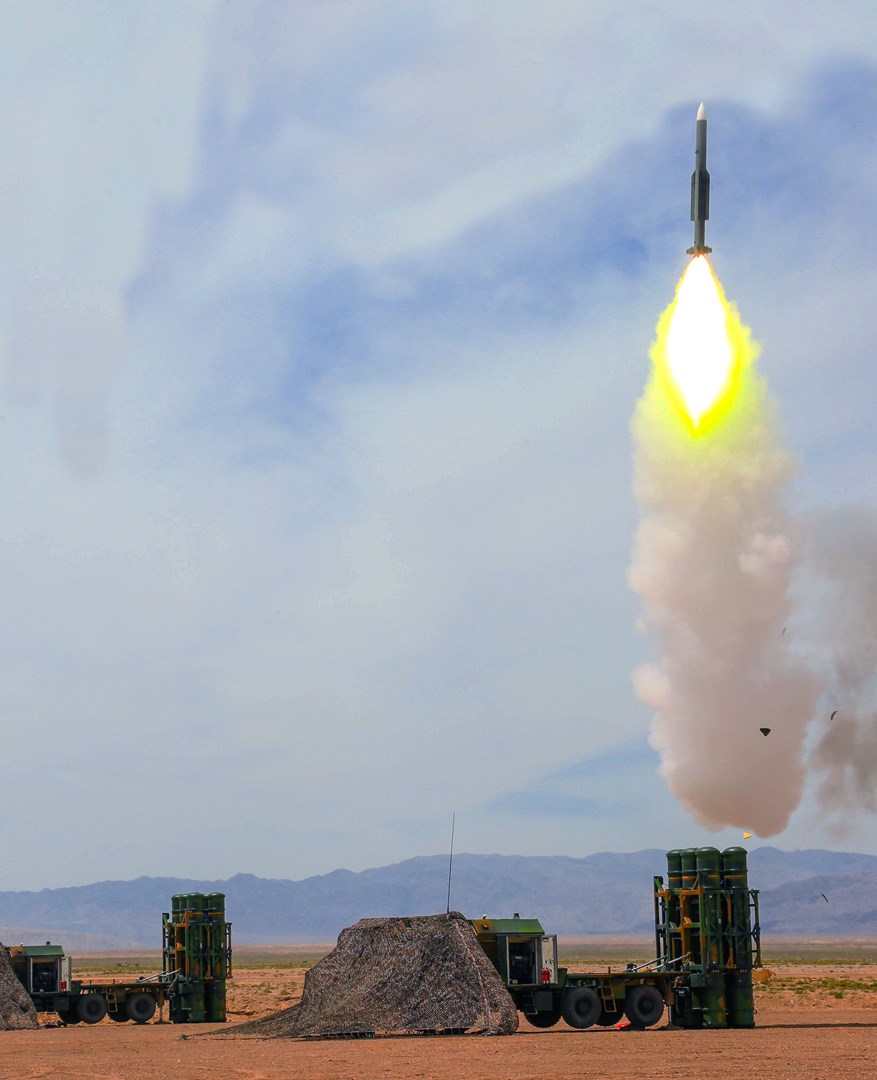
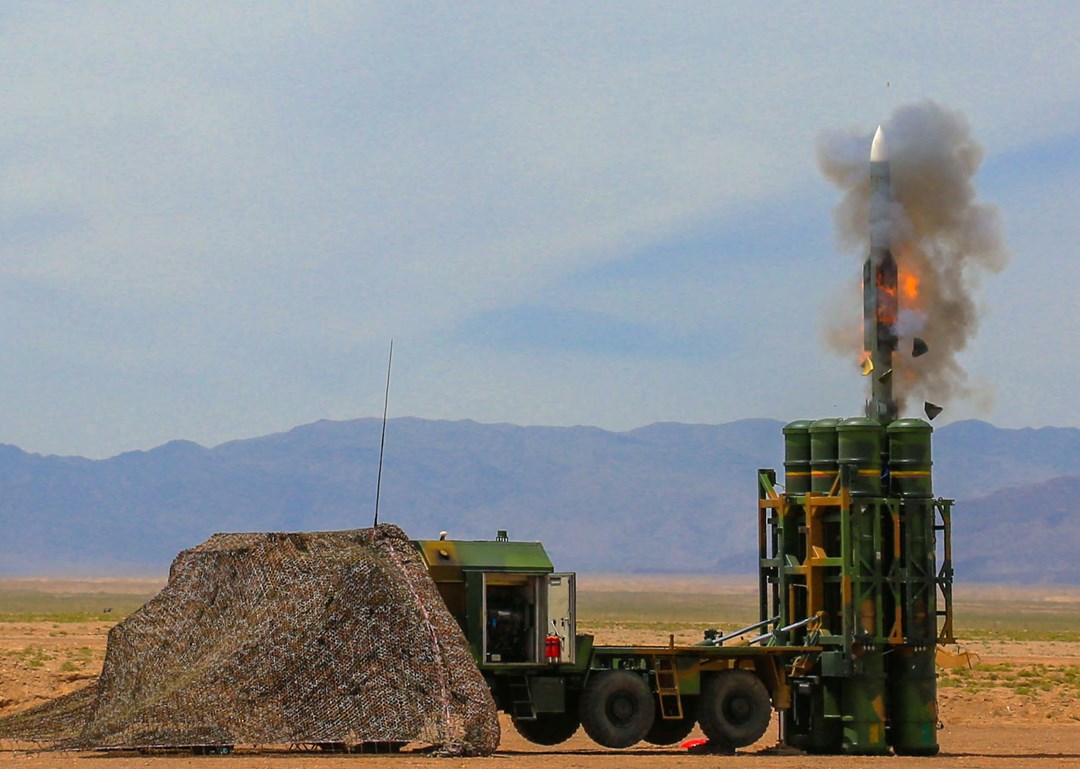
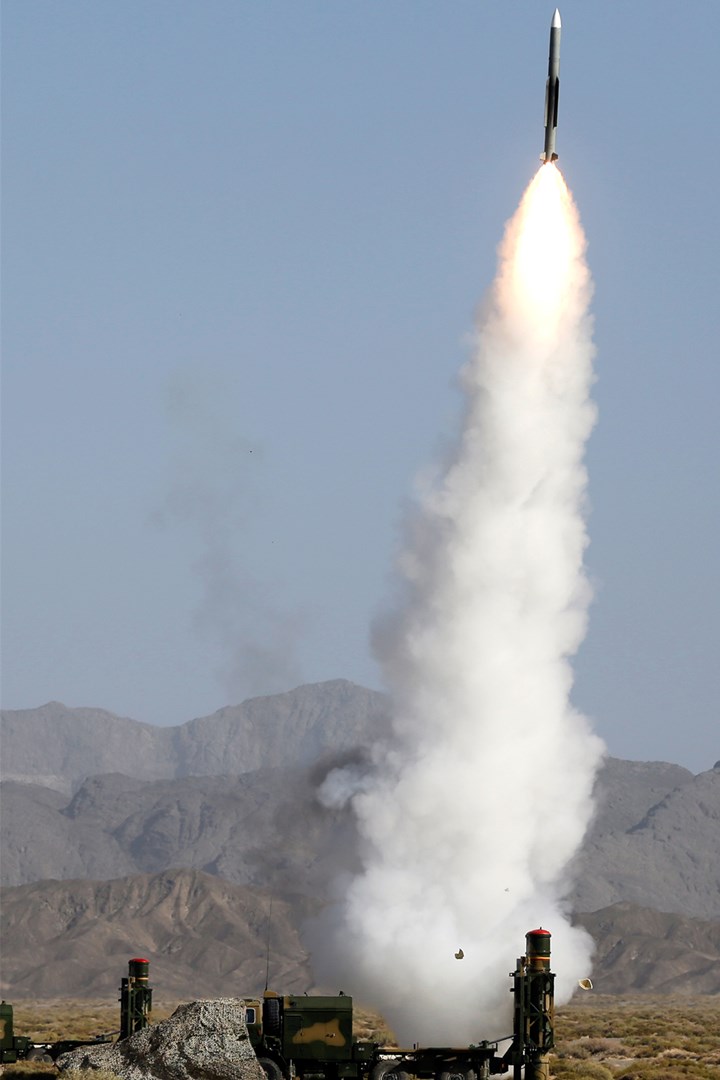
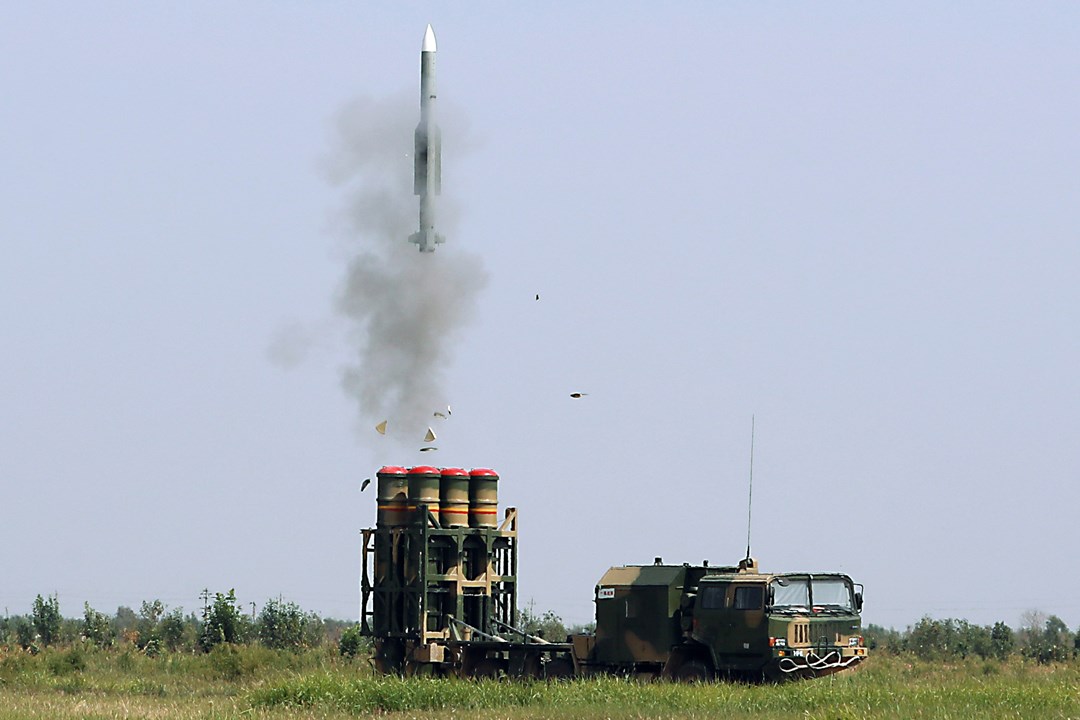
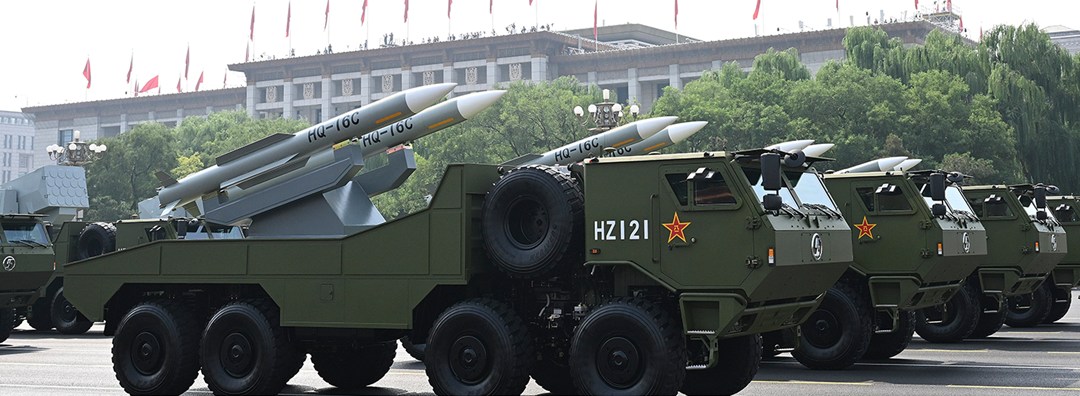
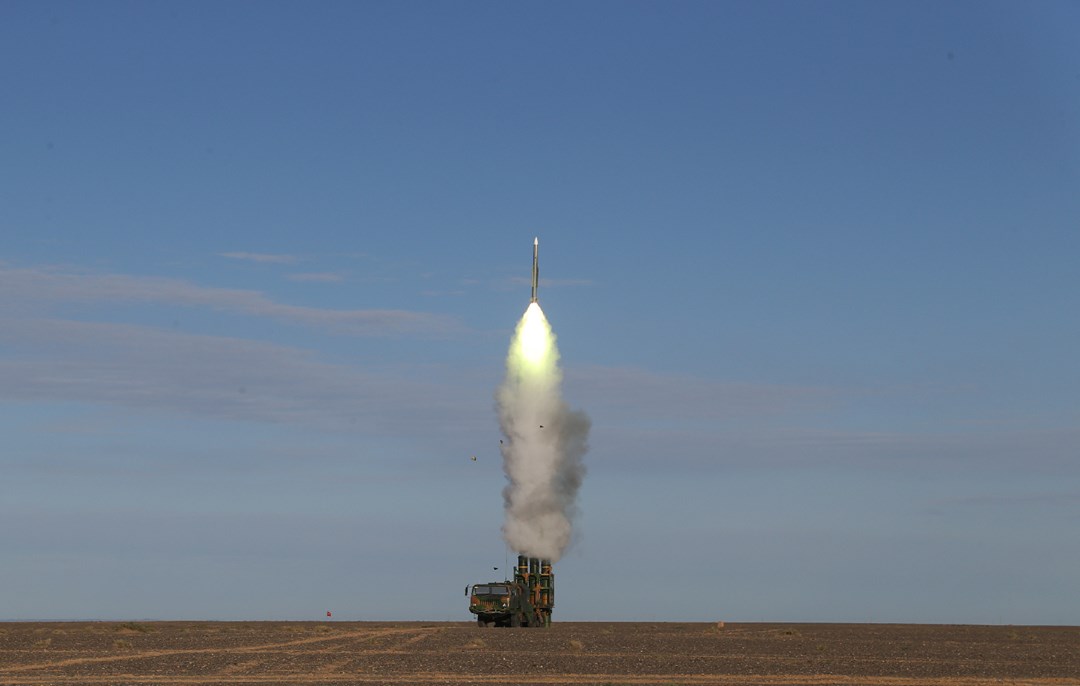
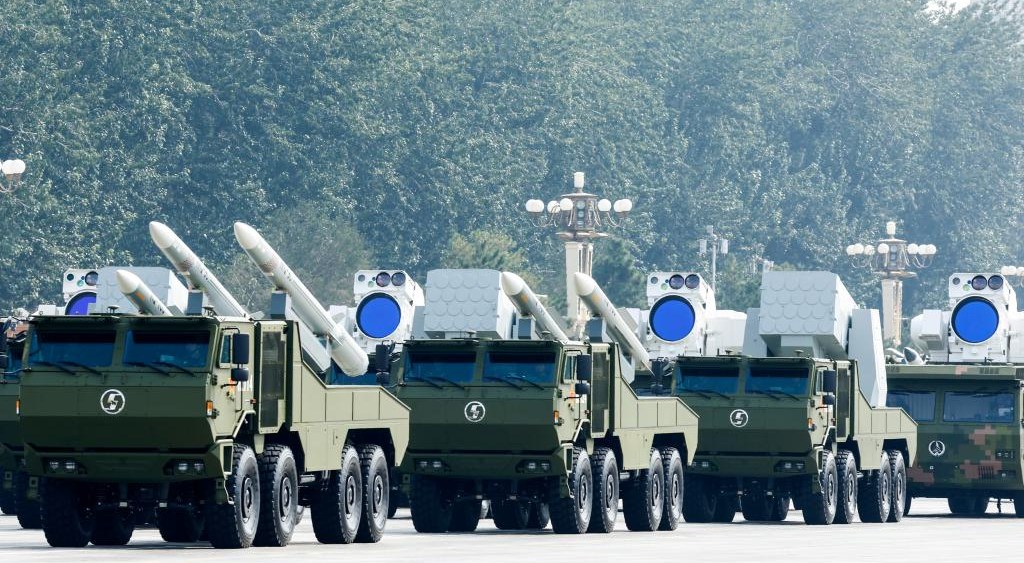
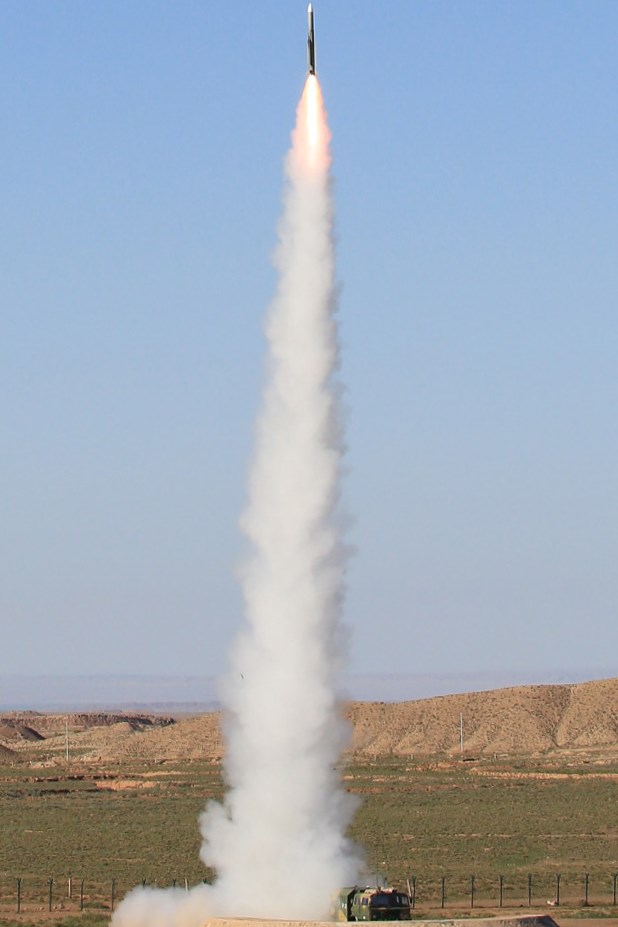
The HQ-16 (SA-16) Chinese 6x6 Medium-Range Surface-to-Air Missile System is a Chinese-made, medium-range, surface-to-air missile system that was introduced in the Chinese armed forces in September 2011. The HQ-16 is produced by China Aerospace Science and Technology Corp (CASC). Utilizing advanced technologies such as intermittent illumination, semi-active radar homing guidance, phased array radar, vertical cold launch, and a radio communication network, the HQ-16 can be operated in a strong electromagnetic interference environment and in all weather conditions. The HQ-16 is a land-based version of the HHQ-16 system used in ships and fired from VLS (Vertical Launch System) containers. The HQ-16 is based on the joint development of the Russian Buk-M1 (SA-11 'Gadfly') and Buk-2M (SA-17 'Grizzly') Surface-to-Air Missile (SAM) systems, designed for use from mobile ground vehicles and later from ships. The HQ-16 is capable of engaging aerial targets at high altitudes. The mid-range HQ-16 is also capable of intercepting very low-flying targets at a distance of up to approximately 40 kilometers, filling the gap between the HQ-7 short-range SAM and the HQ-9 long-range SAM systems. The HQ-16 missile can hit targets at an altitude from 400 to 10,000 meters. According to the SIPRI (Stockholm International Peace Research Institute) arms transfers database, three units of the LY-80 (HQ-16 alternated designation) were ordered by Pakistan in 2014 and delivered in 2015/2016. The Pakistan Army formally inducted the LY-80 (HQ-16) medium-range surface-to-air missile (SAM) system on March 12, 2017. In January 2018, the Pakistani army performed the first live firing with the LY-80 during the Al Bayza-2019 military exercise. The HQ-16 is primarily used to protect stationary assets, such as airfields, bridges, command posts, concentrations of troops, and other high-value targets. The battalion of the HQ-16 consists of twelve launcher vehicles (four in each battery), a command and control vehicle, three tracking and guidance radar vehicles (one in each battery), a target-searching radar vehicle, and several missile transport and reloading vehicles, and power supply vehicles, most using the same 6 x 6 chassis.
Launcher
Missile
Search Radar Guidance Vehicle
Tracking-and-Guidance Radar Vehicle
deagel.com: https://www.deagel.com/x/x/a003507 deagel.com: https://www.deagel.com/x/x/a001874