ARMSNET
Military Equipment Database
Initializing 0%

Tianma-1000 Chinese Unmanned Aerial Vehicle (UAV)

Tianma-1000

Tactical Unmanned Aerial Vehicle (UAV)
Spotted an error? Sign in to suggest an edit.
Basic Information
Name
Tianma-1000 Chinese Unmanned Aerial Vehicle (UAV)
Designation
Tianma-1000
Alternate Designation
Tianma-1000
Equipment Type
Tactical Unmanned Aerial Vehicle (UAV)
Manufacturer
NORINCO
Date of Introduction
2026
Description

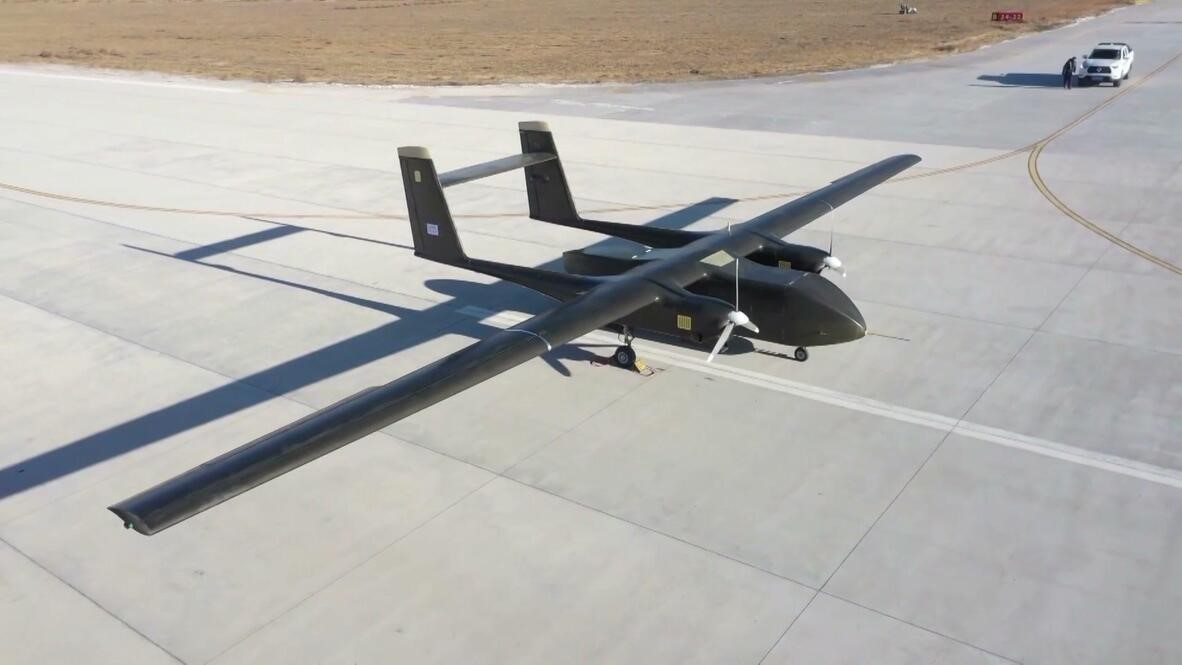
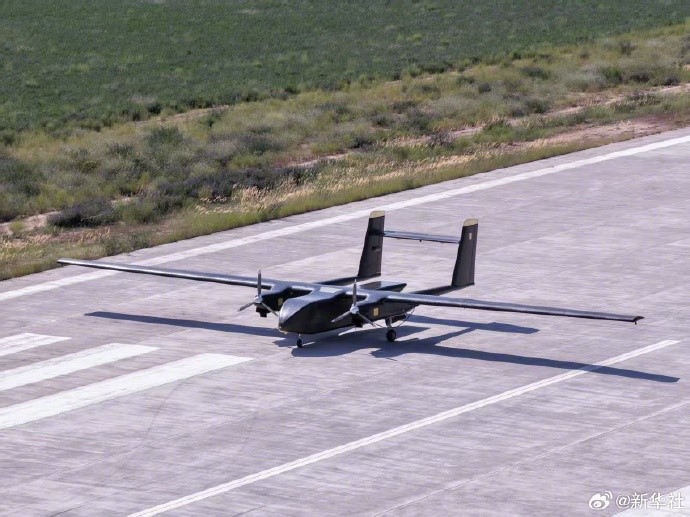
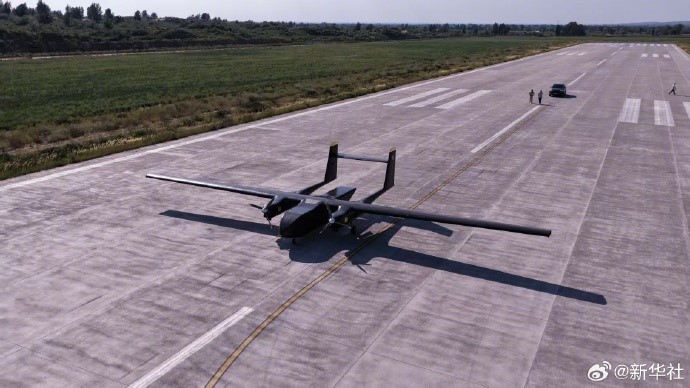
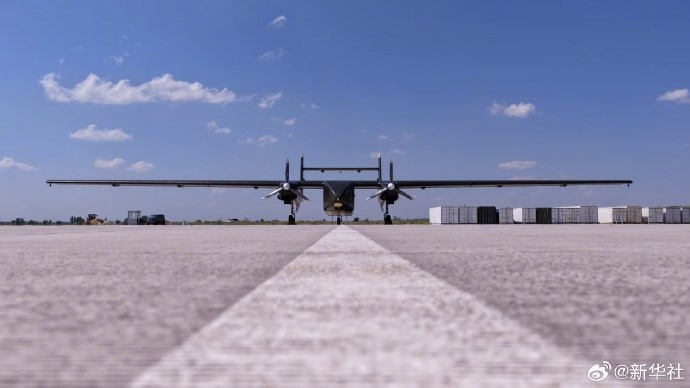
The Tianma-1000 Chinese Unmanned Aerial Vehicle (UAV) is a new Chinese ton‑class unmanned cargo aircraft developed under NORINCO for logistics and emergency-response roles. Tianma‑1000 is heavily marketed around automation and AI‑enabled logistics. Tianma‑1000 is explicitly described as China’s first mid‑altitude, low‑cost unmanned transport platform capable of high‑altitude operations, ultra‑short takeoff and landing, and rapid mode switching between cargo transport and airdrop. It is part of a wider trend of ton‑class unmanned transport aircraft in China (e.g., TP1000, CH‑YH1000, eVTOL cargo designs) fielded over the last few years, as reported by Chinese and foreign outlets. The program is connected to national policy to develop the “low‑altitude economy”, with the civil market (cargo, express logistics, emergency services) serving as the public justification while also building a dual‑use industrial base.

Air & Air Defense Specifications
Engine twin-engine configuration, chosen to balance endurance and redundancy for inter-provincial logistics routes.
Max Speed 550.0 km/h
Cruise Speed 550.0 km/h
Range 1800.0 km
Service Ceiling 8000 m
Payload Capacity 1000 kg
System
Alternate Designation Tianma-1000
Type Unmanned Aerial Vehicle (UAV)
Manufacturer Norinco
Payload Capacity 1,000 kg
Autonomy and flight control Autonomous mission cycle: Architecture allows the aircraft to execute the full mission chain—route planning, cargo loading, flight, unloading—autonomously, under a hierarchical regional control system fused with AI. ​ Intelligent route planning: Automatically plans safe and cost‑effective routes, including dynamic route optimization in unfamiliar or complex airspace. ​ Autonomous obstacle avoidance: Detects and avoids mountains, buildings, and other obstacles en route.
Landing and Guidance Optical‑guided landing assistance system: Can identify landing zones in low‑visibility conditions (rain, snow, fog, haze). ​ ​ Enables high‑precision autonomous landings, including on short and rough strips.
Intelligent Loading/Unloading AI‑based system can independently load or unload up to 1 ton in  5 minutes, significantly reducing manpower and time.
Modular Cargo Bay / Mission Modules Modular cargo compartment permits rapid reconfiguration for different mission types (logistics, airdrop, other payloads). ​ Reported special modules include: Cluster delivery systems (for dispersed drops); Communications relay payloads; Reconnaissance/monitoring suites.
Airdrop Capability Can swiftly switch between cargo transport and airdrop modes. ​ ​ Supports continuous, precise multi‑batch airdrops of varied supplies.
Takeoff / Landing Distance 200 m for both takeoff and landing, enabling ultra‑short STOL operations from short and unimproved strips.
Runway / Surface Requirements Can operate from non‑paved surfaces, including grassland and compacted dirt roads, not just conventional paved runways.
Dimensions
Length INA
Height INA
Wingspan INA
Maximum Takeoff Weight INA
Automotive
Engine Name INA
Engine Type twin‑engine configuration, chosen to balance endurance and redundancy for inter‑provincial logistics routes.
Engine Power INA
Maximum Speed INA
Cruise Speed 550 km/h
Maximum Range 1,800 km
Service Ceiling 8,000 m
Endurance INA
Details
Country of Origin China
Category UAVs
Air > UAVs
Filter Label
T
Classification
Domain
Air & Air Defense
Equipment Status
Active
Operators (1)
China
Something went wrong. Please reload the page. Reload