JH-7A (Flounder) Chinese Fighter/Bomber
JH-7A

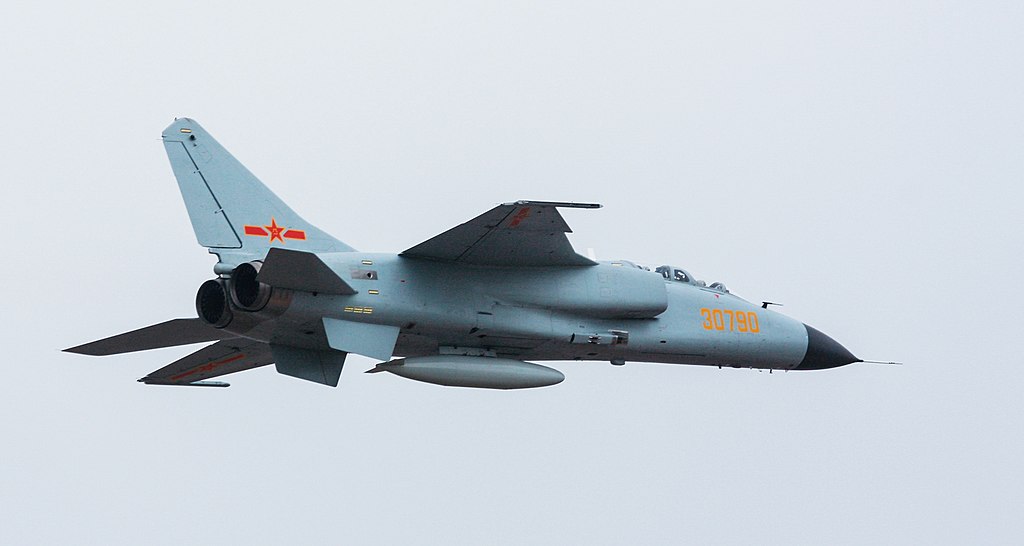
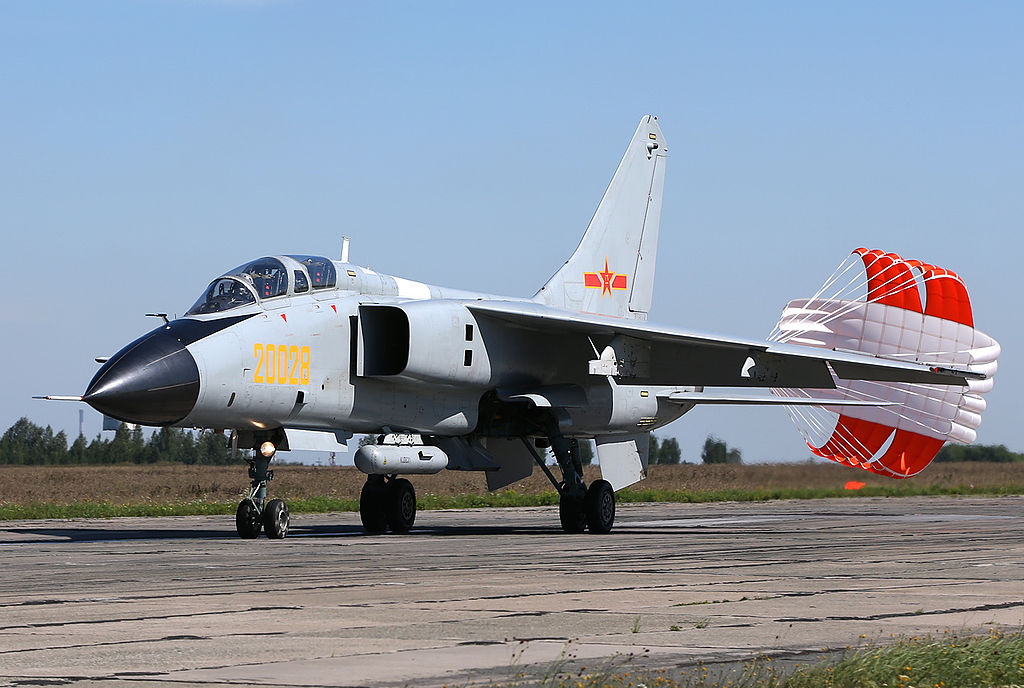
When the PLA examined the future role of air forces, it identified a need for precision air-to-surface capability. An improved JH-7, the JH-7A, was designed to meet this requirement. The JH-7A's general and deputy general designers were Tang Changhong (唐长红) and Wu Jieqin (吴介琴) respectively. The JH-7A had a lighter and stronger airframe than the JH-7, allowing the newer aircraft to carry a maximum ordnance load of 9,000 kg. In PLANAF, this allowed four YJ-82 anti-ship missiles to be carried, compared to the two on the JH-7. The JH-7A is equipped with domestic Chinese helmet mounted sight (HMS) for evaluation, and this HMS currently being tested is developed by Xi'an Optronics Group (Xi Guang Ji Tuan 西光集团), a member of Northern Electro-Optic Co. Ltd (北方光电股份有限公司), the wholly owned subsidiary of Norinco, and the HMS on JH-7A was developed from the helicopter HMS manufactured by the same company, thus both share many common components. HMS tested on JH-7A is compatible with air-to-air/surface missiles, and it is also compatible with airborne sensors such as radars and electro-optics so that the sensors are slaved to HMS, enabling the fast tracking and aiming of the weaponry. The cockpit of JH-7A still retains some traditional single function dial indicators, but there are two large color liquid crystal display multi-function displays which can be monochrome if pilots choose. Other avionic upgrades of JH-7 include: replacing Type 960-2 noise jammer with BM/KJ-8605, replacing Type 265A radar altimeter with Type 271 radar altimeter, fully digitized fly-by-wire flight control system, and in addition, Type 232H airborne radar is replaced by JL-10A pulse-Doppler radar, enabling JH-7A to fire laser-guided bombs and Kh-31P anti-radiation missiles. The existing JH-7s were upgraded with JH-7A electronics. Two additional hardpoints increased the total to 6 from the original 4, and one-piece windscreen replaced the original three-piece windscreen. The JH-7A was the first Chinese aircraft to use paperless design, and the software used was CATIA V5.