ARMSNET
Military Equipment Database
Initializing 0%

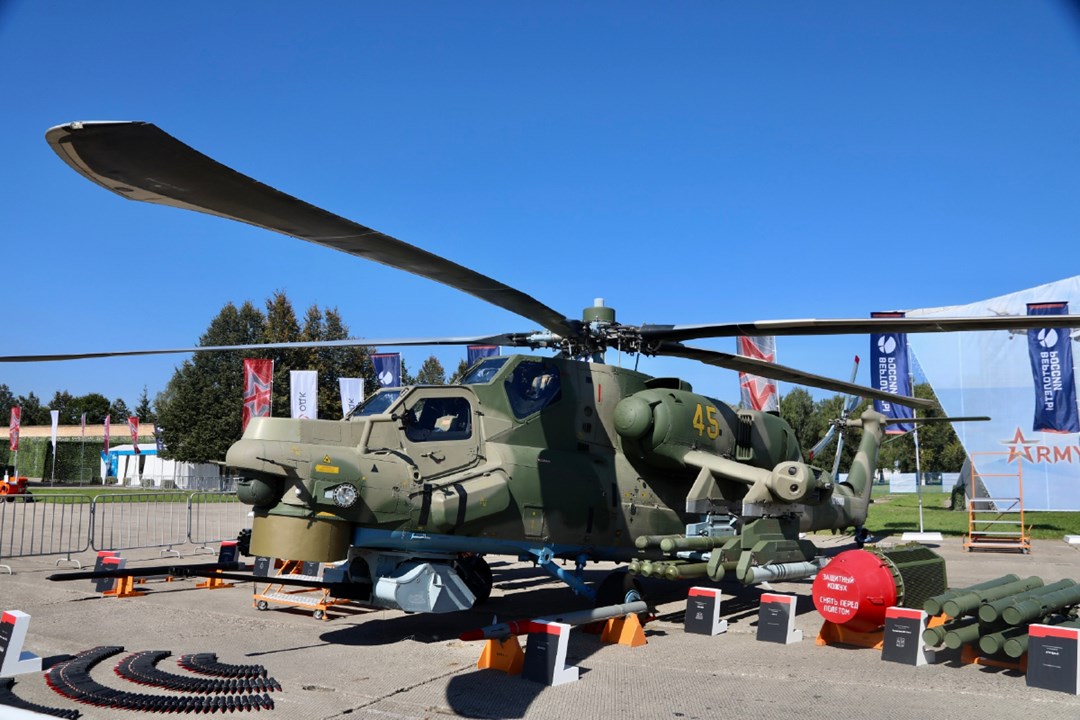
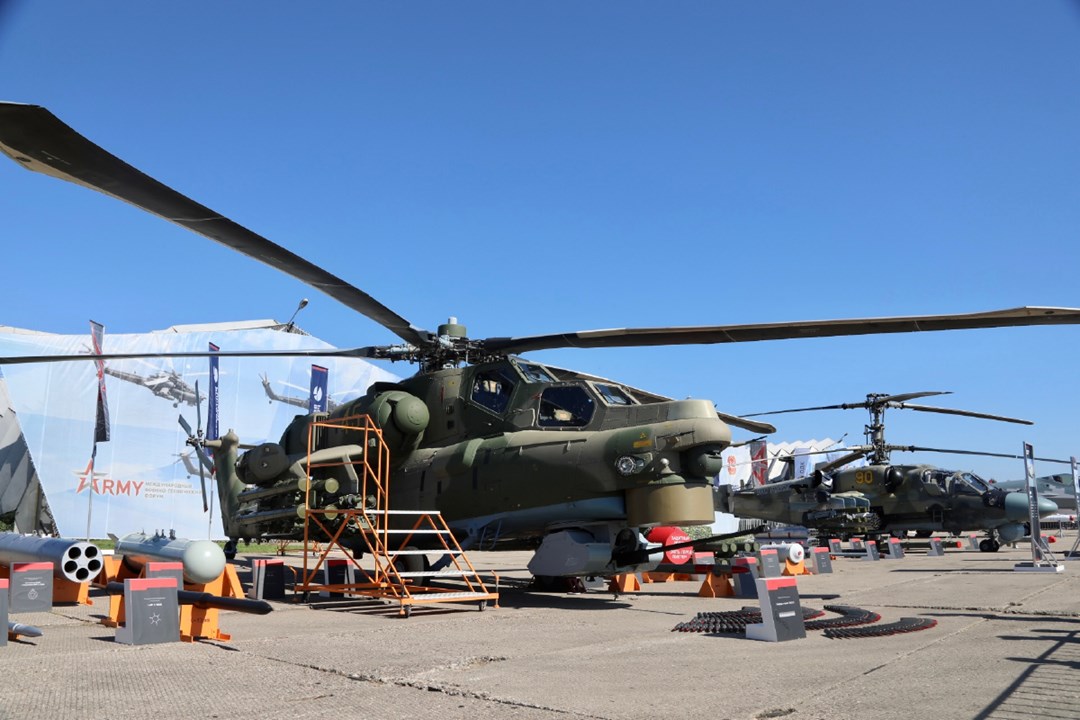
Mi-28 (Havoc) Russian Attack Helicopter

Mil Mi-28

Attack Helicopter
Spotted an error? Sign in to suggest an edit.
Basic Information
Name
Mi-28 (Havoc) Russian Attack Helicopter
Designation
Mil Mi-28
Alternate Designation
Mil Mi-28
Equipment Type
Attack Helicopter
Manufacturer
Mil
Date of Introduction
1998
Description

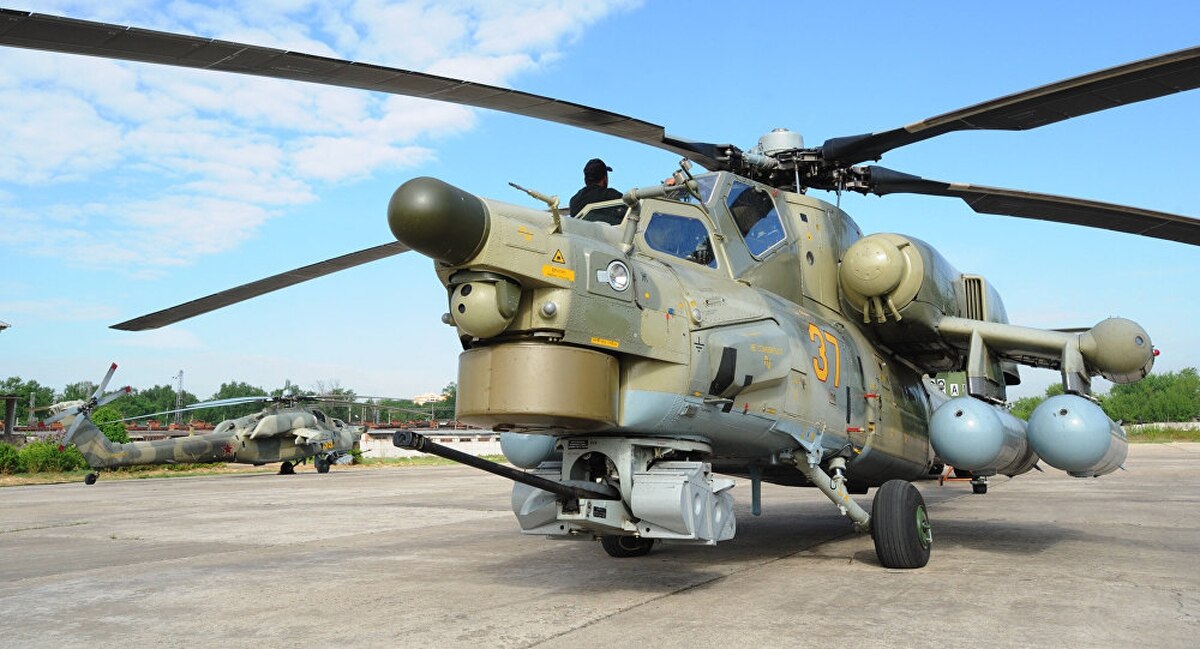
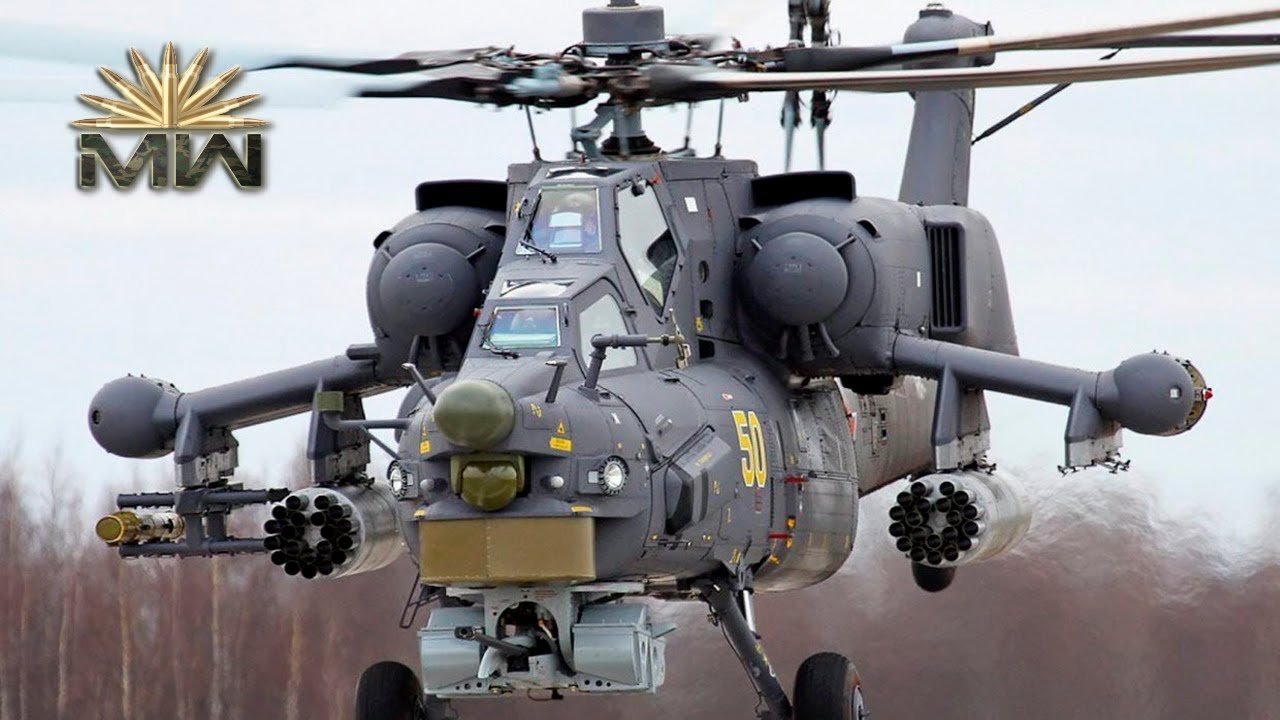
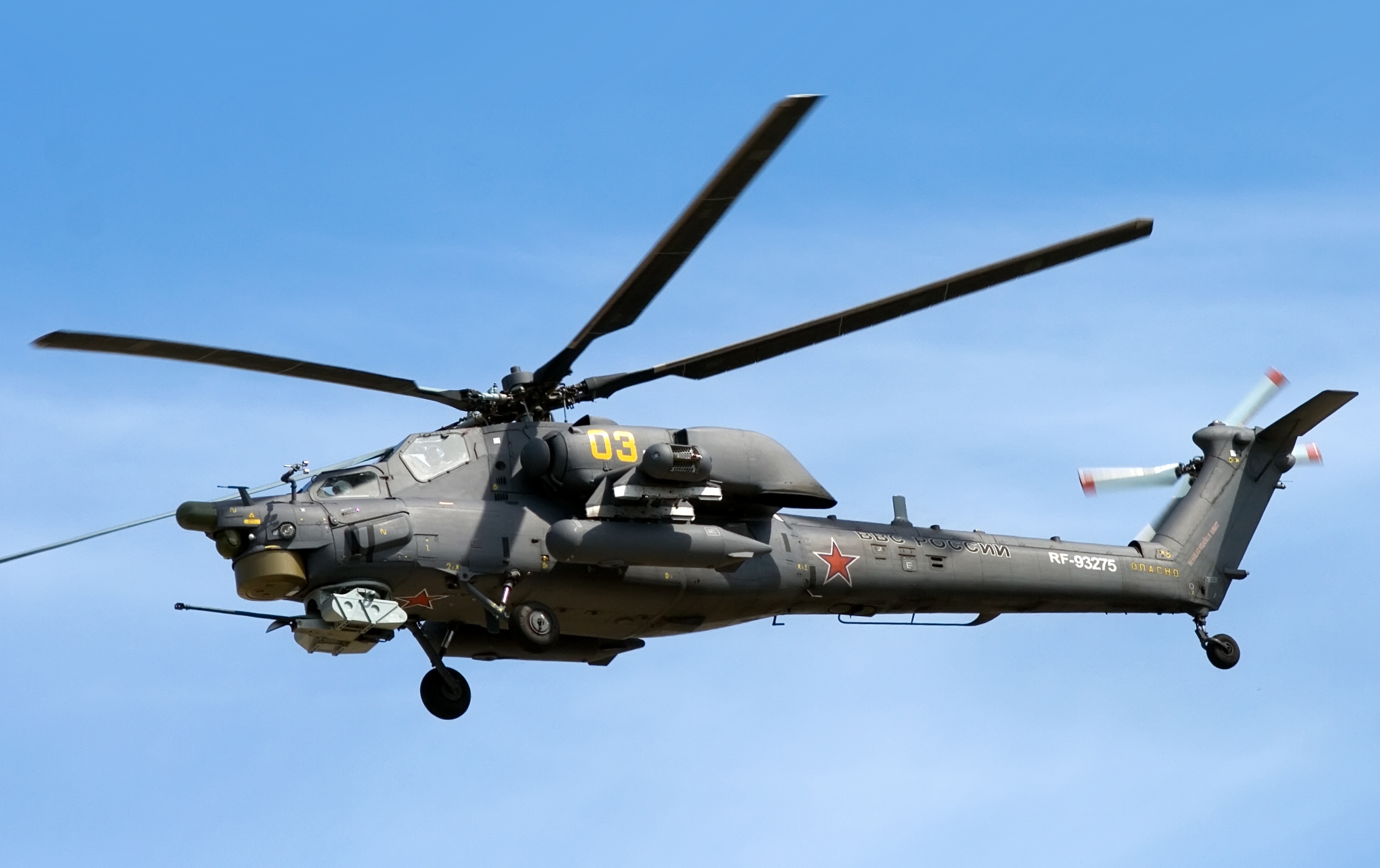
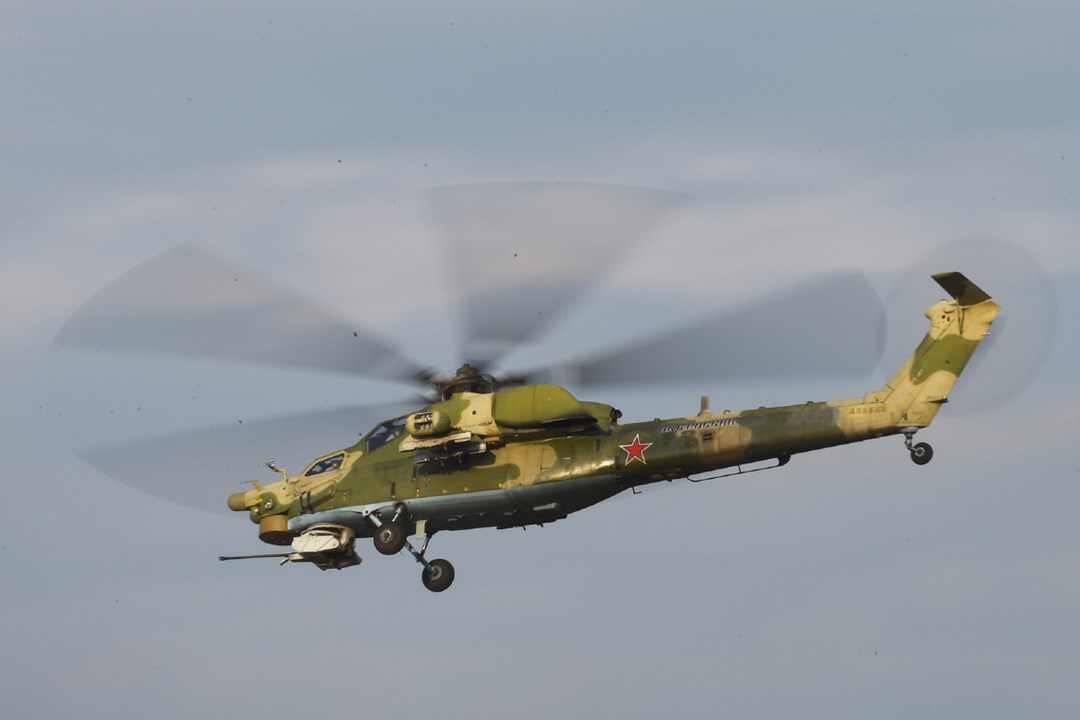
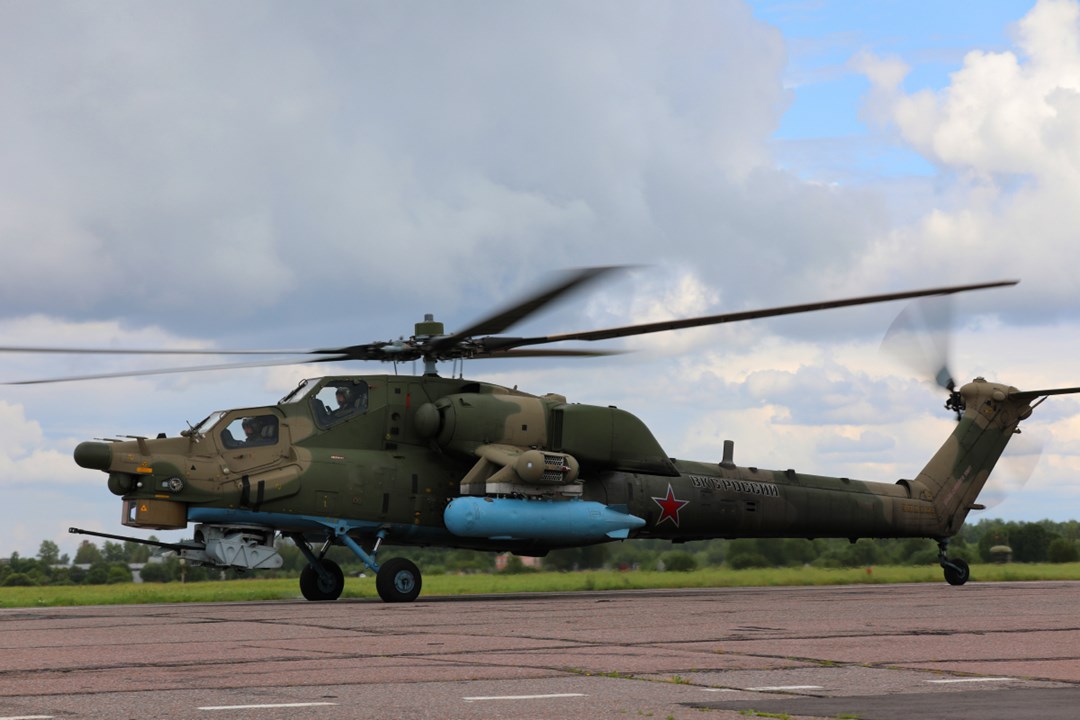
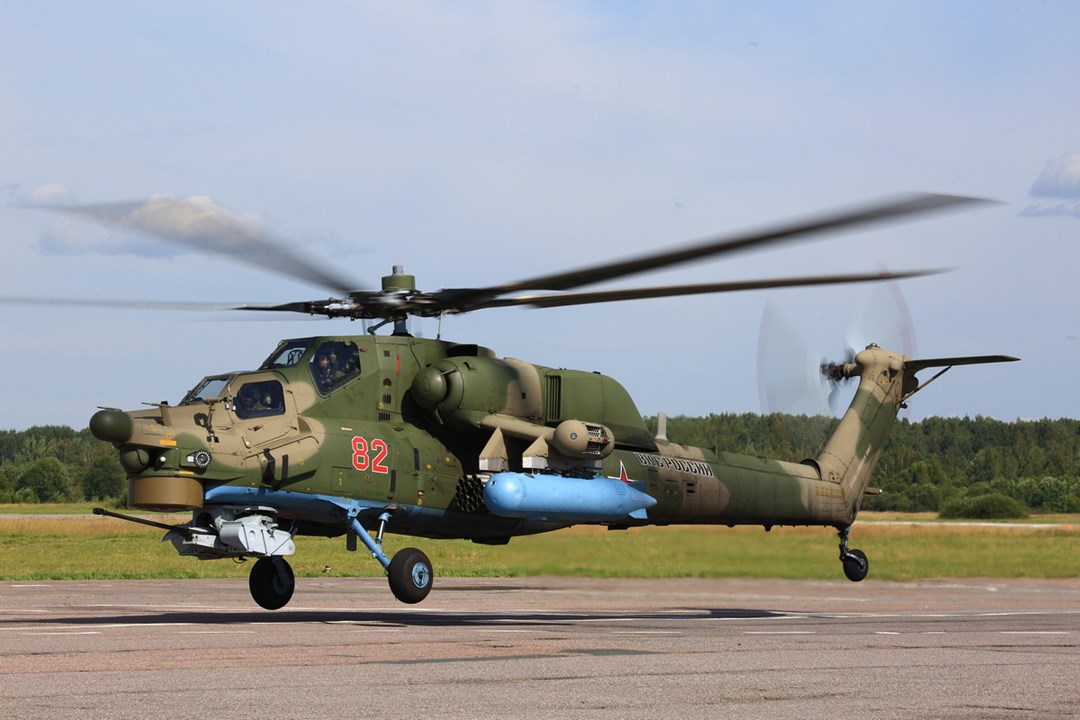
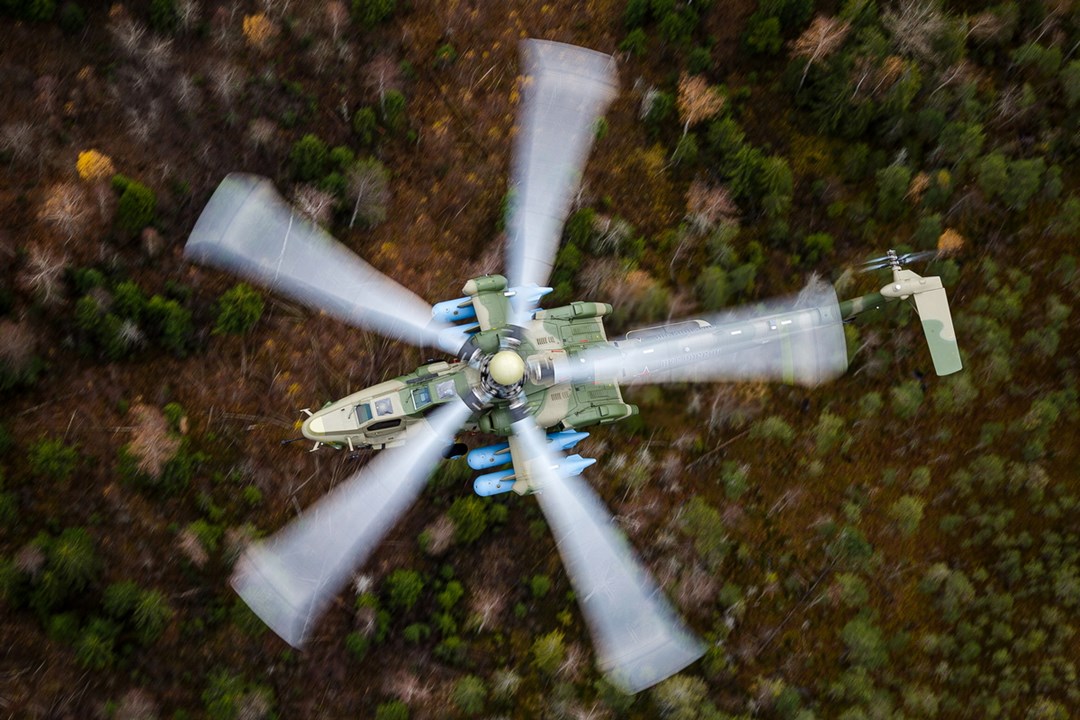
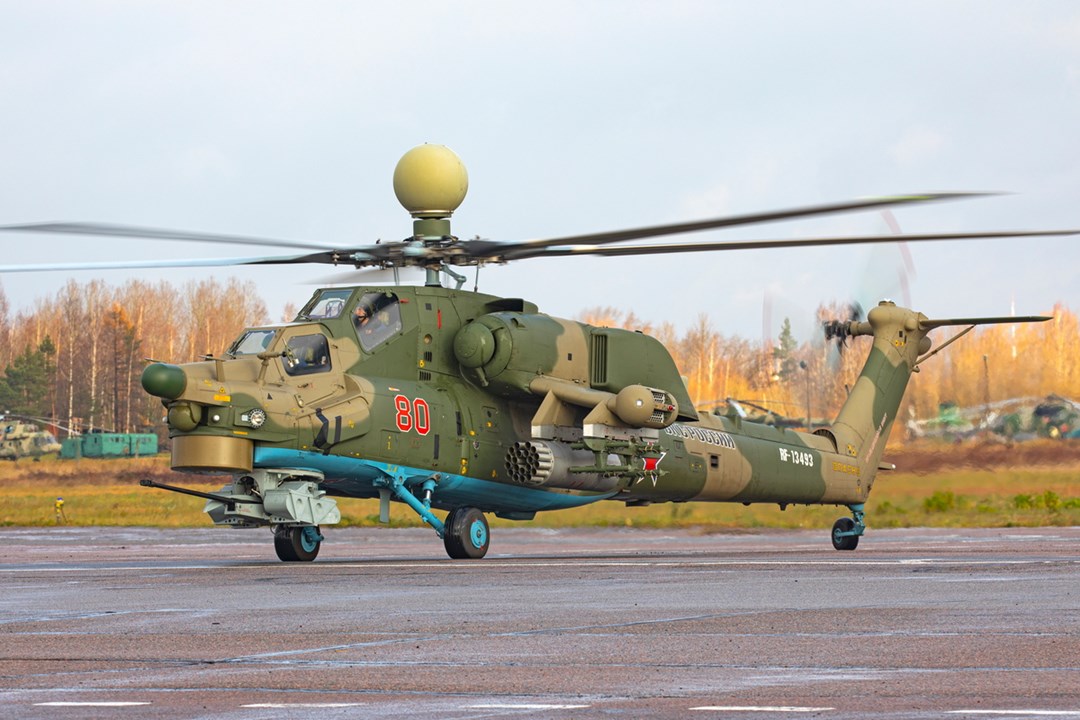
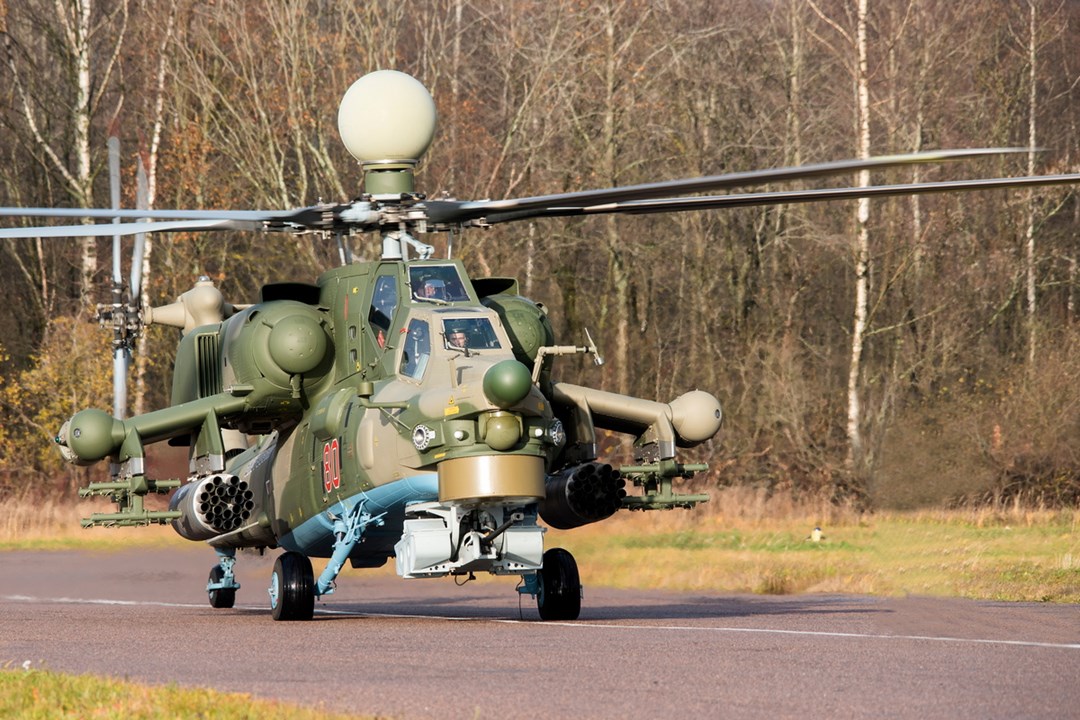
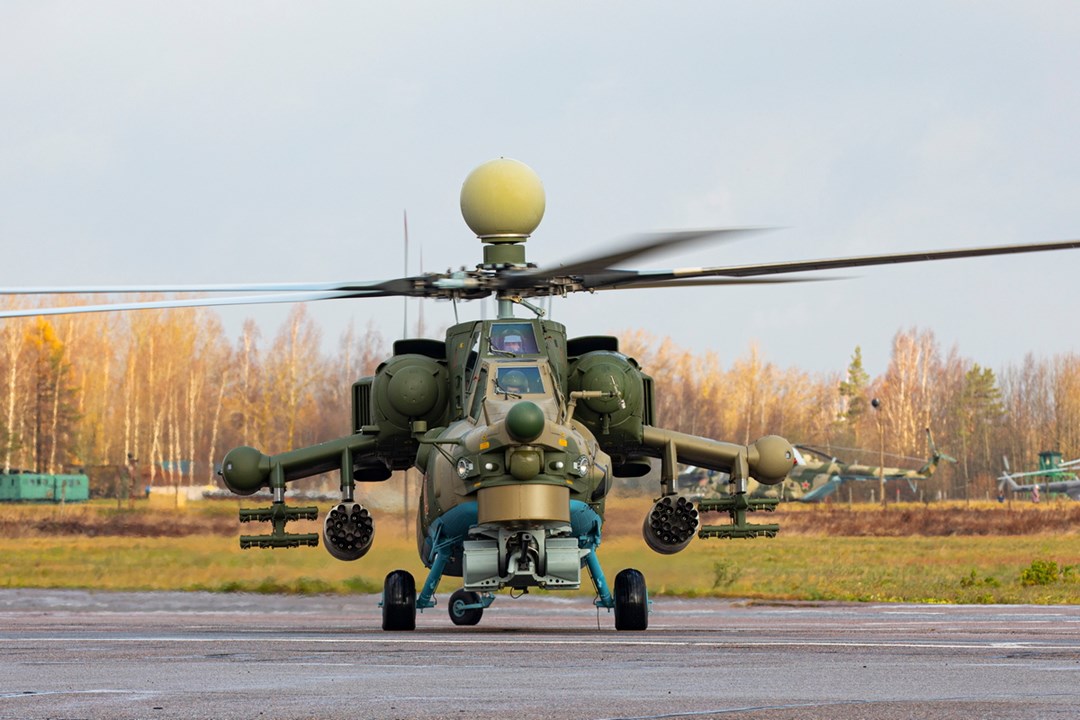
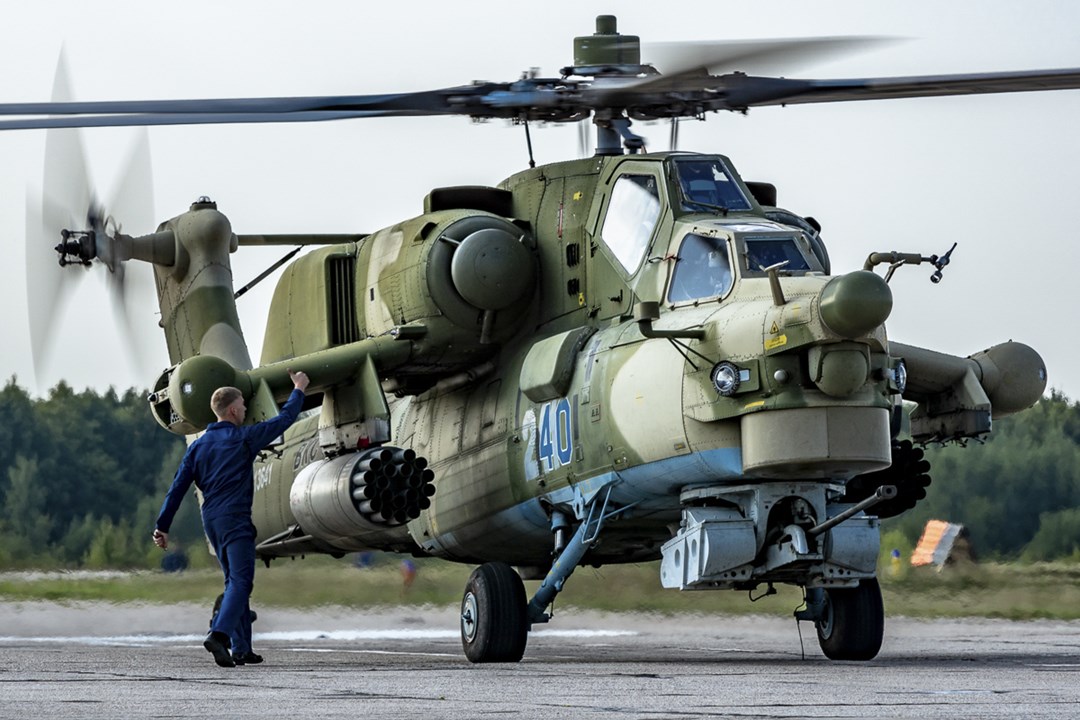
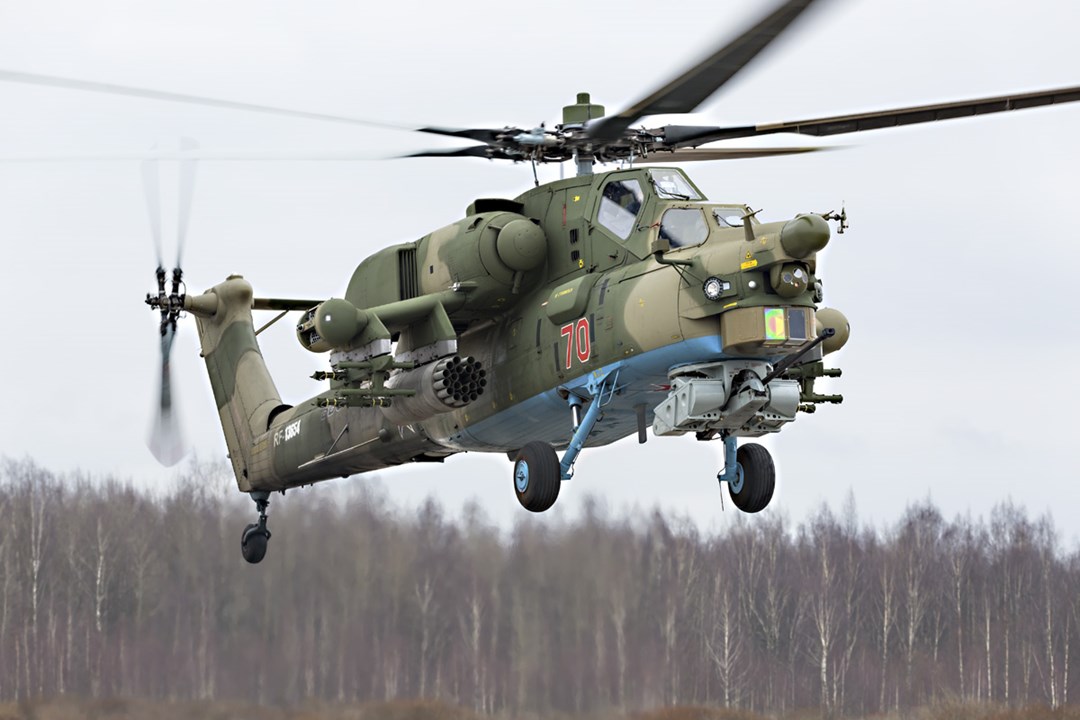
The Mi-28 (Havoc) Russian Attack Helicopter is a twin-engine attack helicopter developed and manufactured by Russian Helicopters in the Russian Federation. Design work began in early 1980 and the initial prototype first flew in 1982, but the program was discontinued due to preference of the Kamov Ka-50 helicopter for the Russian Army's light combat helicopter requirement. The program was re-started with work on the Mi-28N, which was introduced in 2008. The helicopter features a five-blade main rotor and a tail rotor. It has armored, stepped-cockpits for two crew, fixed tricycle type undercarriage, a distinctive nose radome and a chin mounted 30 mm cannon.

Air & Air Defense Specifications
Crew 2
Engine Turboshaft (2200 hp)
Max Speed 282.0 km/h
Range 460.0 km
Endurance 2.00 hrs
Rotor Diameter 17.20 m
Variants
Mi-28N/MMW Havoc All weather day-night version adopted by Russian military in 2009. Equipped with a top-mounted millimeter wave radar, thermographic camera-TV, and a laser rangefinder. Powered by two Russian Klimov TV3-117VMA-SB3 engines (2,500 hp each), produced by the Ukrainian Motor-Sich and replaced by Russian-made VK-2500 engines as of 2016. Max takeoff weight: 11,500 kg, max payload: 2,350 kg.
Mi-28NE Export version of the Mi-28N. In service with the Iraqi and Algerian Air Force. In August 2018, the Russian Helicopters unveiled an upgraded Mi-28NE variant, with improvements made in the main rotor system and engine unit and new on-board radio-electronic equipment.
Mi-28NM An upgraded version of the Mi-28N under development since 2009. The helicopter has redesigned nose hull due to removal of its nose antenna, new H025 radar station for all-round visibility, more powerful Klimov VK-2500 engines instead of the previous Klimov TV3-117VMA engines and improved rotor blades to increase its maximum speed by 13% and cruise speed by 10%.
Mi-28D Simplified daylight operation version. Similar to Mi-28N, but without top-mounted radar and FLIR
Mi-28NAe Export version offered to North Korea
Mi-40 Proposed armed transport version. Never reached prototype stage.
Mi-28UB Training-and-combat version, designed for training for Mi-28N. Has dual hydromechanical flight controls that can be operated from tandem cockpits, a more spacious lower cockpit to house a flight instructor, a wider pilot canopy, and new energy-absorbing crew seats. Serves as a trainer but can perform attack helicopter tasks.
Mi-40 The Mil Mi-40 was a projected utility version of the Mi-28, first initiated in 1983, announced in 1992 and shown at the Moscow Airshow in 1993. It was primarily intended for the "Aerial Infantry Fighting Vehicle" category as a successor to the Mil Mi-24 and Mi-8 assault helicopters.
System
Alternative Designation Mil Mi-28
Type Attack Helicopter
Manufacturer Mil
Function New-generation attack helicopter that functions as an air-to-air and air-to-ground partner for the Mi-24 Hind and Ka-50 Hokum.
Crew 2 (1 pilot, 1 WSO)
Passenger Capacity 3 ea
Blades, Main Rotor 5 ea
Blades, Tail Rotor 4 ea
Number of Main Engines 2 ea
Day/Night Capable Yes
All Weather Capable Yes
Number of Hard Points Two pylons under each stub wing to mount bombs, rockets, missiles, and gun pods.
Radar Type Arbalet millimeter-wave radar
Pilot HUD Yes
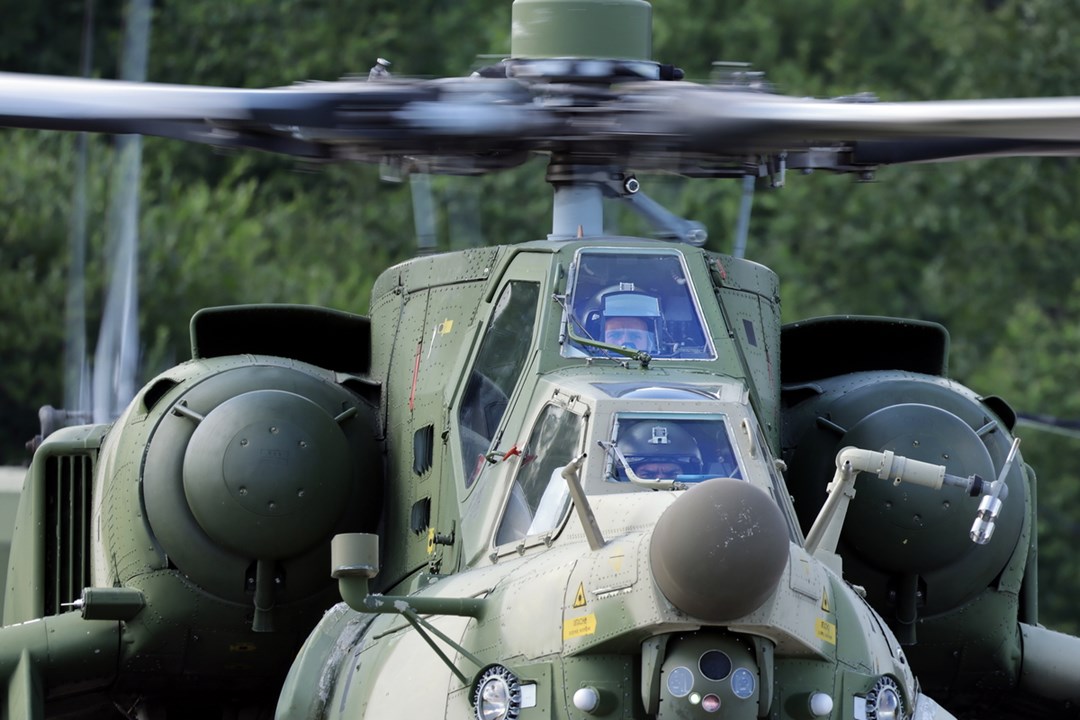
Cockpit Type Tandem, stepped-up cockpits
Note #1 The Mil Mi-28 is capable of auto-hover and hover/heading lock-in attack mode
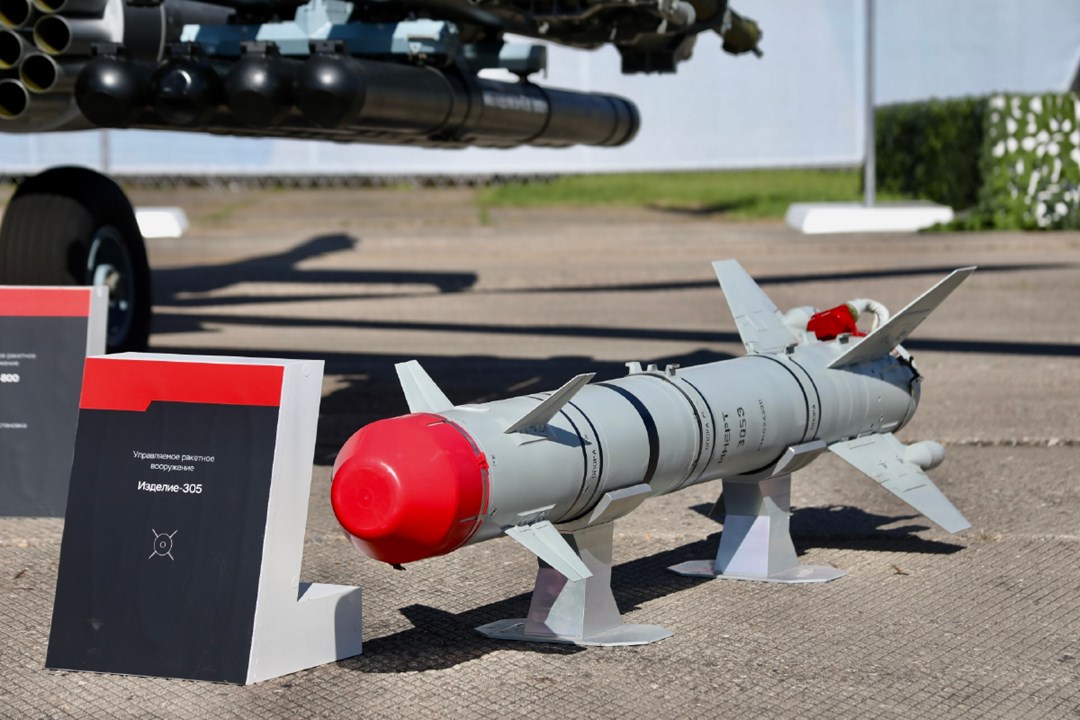
Note #2 For anti-armor missions the Mi-28 can be equipped with Ataka, Shturm-V or Vikhr anti-tank guided missiles.
Dimensions
Length 16.85 m
Length, with rotors revolving 21.16 m
Width 4.81 m
Height 3.82 m
Rotor Diameter 17.20 m
Weight, Full Load 11,500 kg
Weight, Normal 10,400 kg
Weight, Empty 7,890 kg
Weight, Combat Load 638 kg
Weight, Maximum Combat Load 1,605 kg
Automotive
Engine Name 2 x Klimov TV3-117
Engine Type Turboshaft engines
Engine Power 2,200 hp each
Fuel Capacity, Internal 1,337 kg
Fuel Capacity, Drop Tanks 445 kg
Speed, Cruise 260 km/h
Speed, Maximum 282 km/h
Range, Normal Takeoff Weight 460 km
Ceiling, Hovering 3,450 m
Ceiling, Service 5,750 m
Range, Ferry with Drop Tanks 1,105 km
Endurance 2 hours
G Limits +3.5 G
Communications
UHF Radio Yes
VHF Radio Yes
IFF Capabile Yes
Chin Mounted Gun
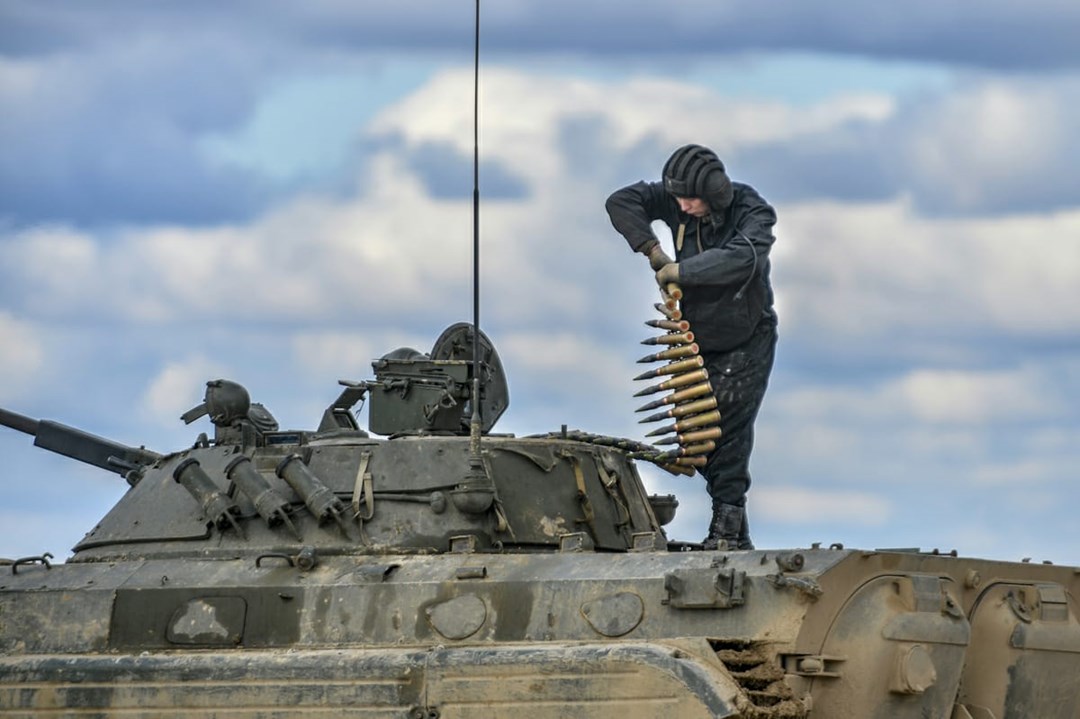
Note The Mi-28 is equipped with a chin-mounted NPPU-28 turret with 30 mm automatic Shipunov 2A42 autocannon.
System
Name 1 x Shipunov 2A42
Type Autocannon
Caliber 30 mm
Manufacturer Tulamashzavod
Total Length 3,027 mm
Number of Barrel 1 ea
Barrel Length 2,416 mm
Weight 115 kg
Max Rate of Fire (Low) 200-300 rds/min
Max Rate of Fire (High) 550-800 rds/min
Maximum Firing Range 4,000 m
Effective Firing Range 2,000 m
Action Gas-operated
Feed System Twin Feed
Ammunition (Option 1)
Name M929
Type APFSDS-T
Caliber 30 mm
Cartridge 30mm × 165mm
Muzzle Velocity 1,260 m/s
Basic Load 300 ea
Note #1 A sub-caliber fin-stabilized discarding sabot round with tracer from Belgian Mecar, with tungsten alloy penetrator. Penetration: 50 mm RHA steel at 60 degree impact at 1,000 m range
Note #2 Rounds from High Explosive Incendiary (HEI) to Armour-Piercing Discarding Sabot (APDS) can be used.
Wing Mounted Weapons
Rocket System
Name 2 x B-13L Rocket Pods
Type Rocket Pod
Length 3,560 mm
Diameter 410 mm
Unloaded Weight 160 kg
Number of Rockets per Rocket Pod 5 ea
Firing Interval 0.15 sec
Rocket System Ammunition
Name S-13
Type 122mm caliber unguided rocket weapon
Length 2.54 m
Diameter INA mm
Muzzle Velocity INA
Launch Weight 57 kg
Warhead Weight 21 kg
Effective Range 1.1-3 km
Penetration Penetrates 3 m of earth and 1 m of reinforced concrete. On runways it produces a demolition area of 20 m². Velocity 650 m/s.
Basic Load 5 Rockets per B-13L ea
Note In total the Mi-28 carries 10 x S-13 Rockets (5 Rockets in each B-13L Rocket Pod).
Anti-Tank Guided Missile System (Option 2)
Name 2 x Shturm
Type ATGM
In Service 1976-Present
Missile Length 1,630 mm
Missile Diameter 130 mm
Fin Span 360 mm
Missile Weight 31.4 kg
Guidance System Radio Guided
Warhead Type HEAT
Warhead Weight 5.3 kg
Range of Fire 5 km
Basic Load 8 ea
Anti-Tank Guided Missile System (Option 2)
Name 2 x Ataka (AT-9 Spiral-2)
Type ATGM
In Service 1990-Present
Missile Length 1.83 m
Missile Diameter 0.13 m
Fin Span 0.36 m
Missile Weight 42.5 kg
Warhead Type tandem HEAT, fuel-air explosive, expanding rod
Warhead Weight 7.4 kg
Guidance System Radio-Guided & Semi-Automatic Command to Line of Sight (SACLOS) guidance
Speed supersonic
Range of Fire 6 km
Basic Load 8 ea
Fire Control
Fire Control System Type Integrated surveillance and fire control system
Fire Control Radar Yes
Digital or Analog Cockpit Digital
Direct Fire Control Yes
Laser Designator Yes
Laser Rangfinder Yes
Automated Helmet Yes, target designation and indication system
Sights TV Channel, Thermal, EO
GPS Yes
Navigation Integrated Inertial Navigation
Night Vision Compatible Cockpit Yes
Protection
Crew Compartment Armor It withstands hits from 12.7 mm armor-piercing rounds and 20 mm HE-FRAG rounds. It is claimed that this helicopter can not be defeated by a single short-range anti-aircraft missile.
Windsheild Protection from 7.62 and 12.7 mm armor piercing bullets and 20 mm shell fragments.
Warning System Mak IR Warnign System
NBC Protection Yes
EW INA
Counter Measures (Chaff/Flares) Yes, UV-26 flares
IR Sensors Yes, 2 x fixed IR sensors
IR Suppressors Yes
Jammer System Platan Jammer
Radar Warning System Yes
Laser Warning System Yes
Energy Absorbing Seats Yes
Parachute Escape System Yes, in a hatch on the port side to the rear of the wing
CVI: WEFT
Wings Short-sloped wing weapon load mount points.
Engine Engine exhausts on both sides of fuselage. Dual air inlets.
Fuselage Mouse nose radar. High accuracy radar navigation system. Armored angular shaped tandem pilot canopies. Fixed-wheeled landing gears. Target sight system. Under mount 30mm chain gun.
Tail Features a stabilizer wing and fin. Tail rotor is on right side.
Details
Country of Origin Russia
Category Rotary Wing Aircraft
Air > Rotary Wing Aircraft
Filter Label
M
Classification
Domain
Air & Air Defense
Equipment Status
Active
Dimensions
Length
16.85 m
Width
4.81 m
Height
3.82 m
Weight
638 kg
Operators (6)
Russia
Algeria
Iraq
Kenya
Venezuela
CFE Treaty
Something went wrong. Please reload the page. Reload