Yak-18 (Max) Russian Trainer Aircraft
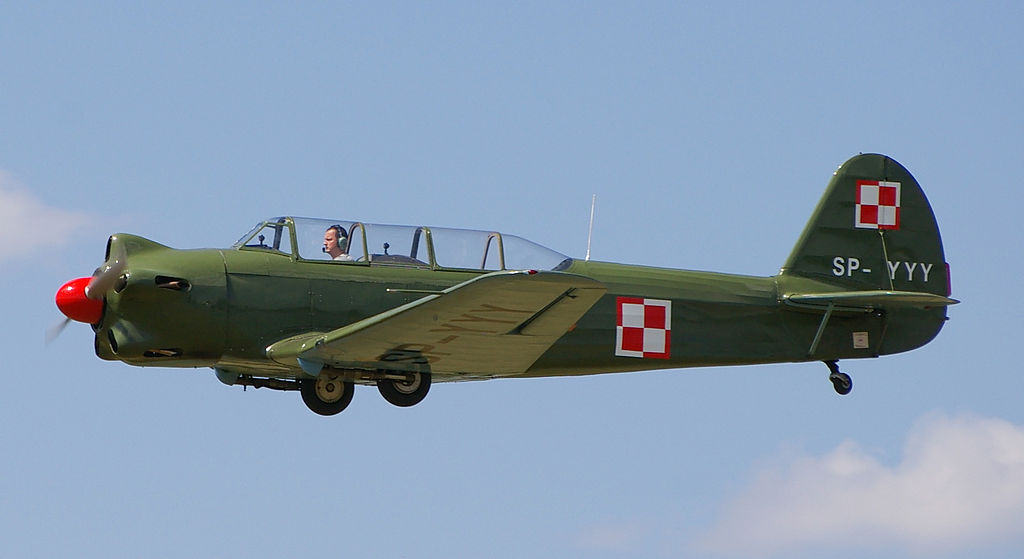
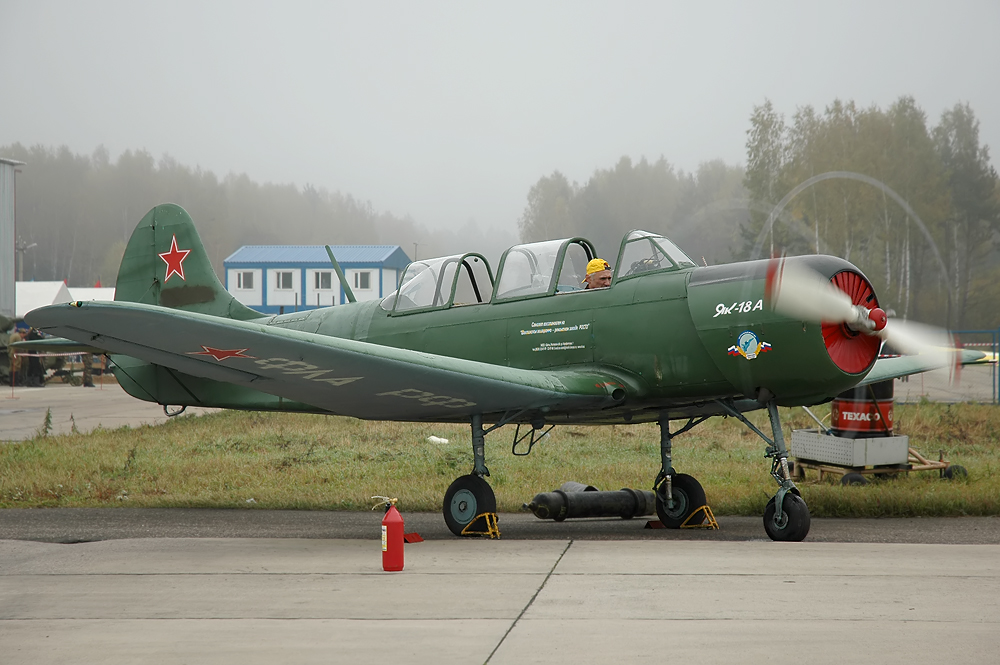
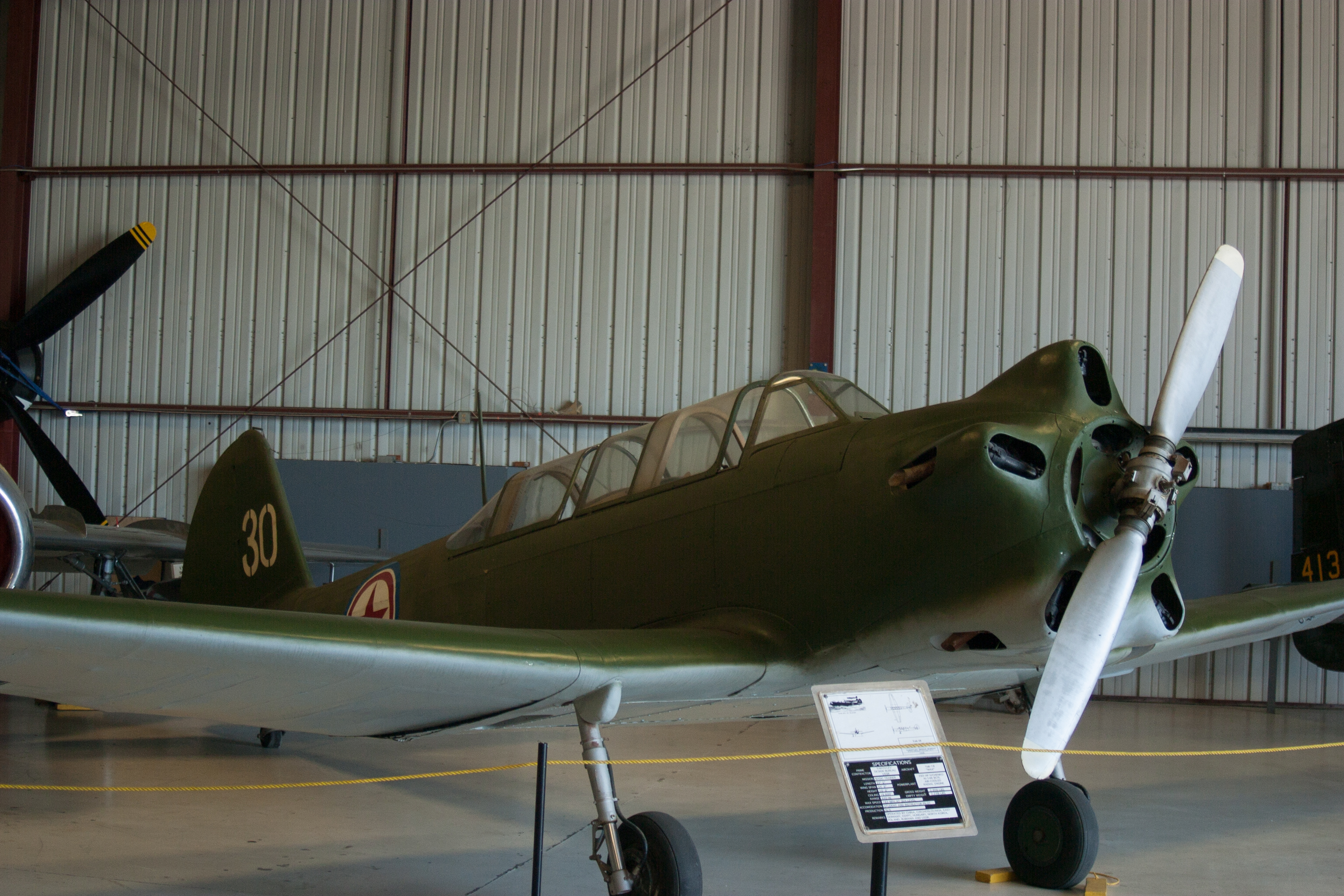
The Yakovlev Yak-18 (NATO reporting name Max) is a tandem two-seat military primary trainer aircraft manufactured in the Soviet Union. Originally powered by one 119 kW (160 hp) Shvetsov M-11FR-1 radial piston engine, it entered service in 1946. It was also produced in China as the Nanchang CJ-5. A member of the second generation of Russian aircraft designers, and best known for fighter designs, Alexander Sergeyevich Yakovlev always retained a light aircraft design section. In May 1945, Yakovlev initiated design of the Yak-18 two-seat primary trainer. He designed it to replace the earlier Yakovlev UT-2 and Yakovlev Yak-5 in service with the Soviet Air Forces and DOSAAF (Voluntary Society for Collaboration with the Army, Air Force and Navy, which sponsored aero clubs throughout the USSR). In 1944, an advanced version of the UT-2 had been built with many of the features of the new Yak-18. The new aircraft flew a year later, powered by a 119 kW (160 hp) Shvetsov M-11 five-cylinder radial engine and featuring pneumatically operated retractable main landing gear and a fixed tailwheel. It entered service as a trainer later that year and was built by Yakovlev up until 1956. Examples were exported to China in kit form beginning in 1950. The Chinese began producing license built copies in 1954 with the designation CJ-5. The Yak-18's greatest claim to fame is its use as a night bomber by the North Korean Air Force during the Korean War. The aircraft were modified with bomb racks on the wing center section and flew over UN troop locations at night to drop bombs and harass UN forces. The single most successful attack of the North Korean aviation during the war was the destruction of a fuel dump with nearly 5.5 million US gallons (21 million l; 4.6 million imp gal) of fuel in the Inchon area in June 1953 by four or five Yak-18s. The five-cylinder engine reminded many of the US troops of the sound made by early gasoline powered washing machines, earning them the name: "Washing Machine Charlie". The name "Bed Check Charlie" was also used for these night intruders. The Yak-18s, along with Polikarpov Po-2s, became quite a nuisance until US night fighters began shooting them down. One night fighter crashed shooting down a Bed Check Charlie and another night fighter rammed its target. Other claims to fame for the Yak-18 are an international speed record for its class in 1951 as well as being the aircraft used for initial flight training by Yuri Gagarin (1st human in space) and Ken Rowe (No Kum-Sok, who defected from North Korea with a Mikoyan-Gurevich MiG-15 jet fighter during the Korean War). Later, as the need for conventional landing gear trainers abated, Yakovlev re-designed the Yak-18 with retractable tricycle landing gear and an Ivchenko AI-14RF radial engine of 224 kW (300 hp); this was designated the Yak-18A. The design proved exceptionally easy to build and maintain. There are an estimated 40 original Yak-18s in existence worldwide. Five are currently flyable in the US, three are flyable in Europe, and the Chinese Air Force has one flyable with several other airframes in storage. Approximately four other aircraft worldwide are currently being restored for flight. Many are found in major aviation museums worldwide including the National Air and Space Museum in the USA. The Nanchang CJ-6, produced in China, is sometimes quoted as a variant but is a completely different aircraft designed in China by Bushi Cheng and built by Nanchang Aircraft Company.