Karakurt-R Russian Unmanned Aerial Vehicle (UAV)
Karakurt-R
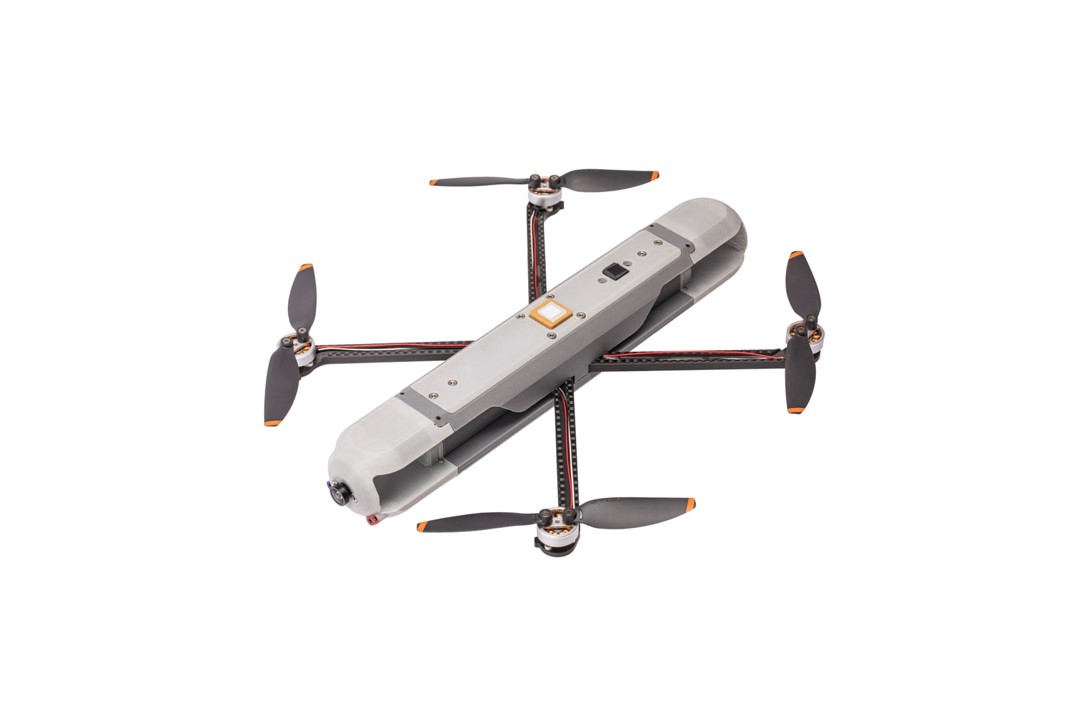
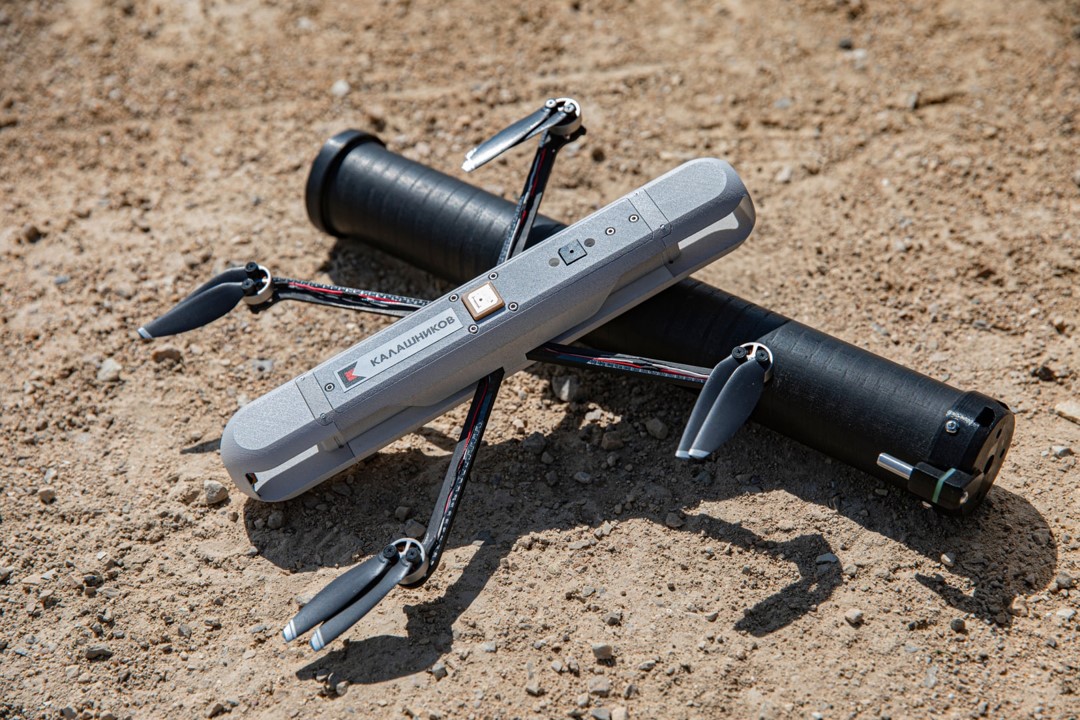
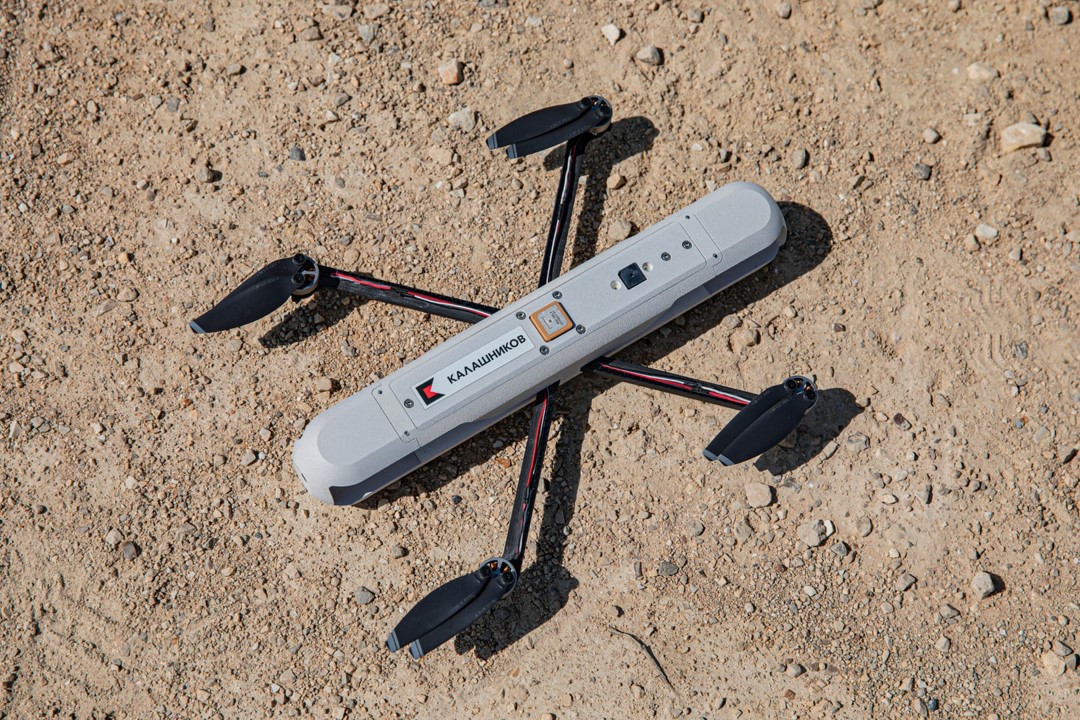
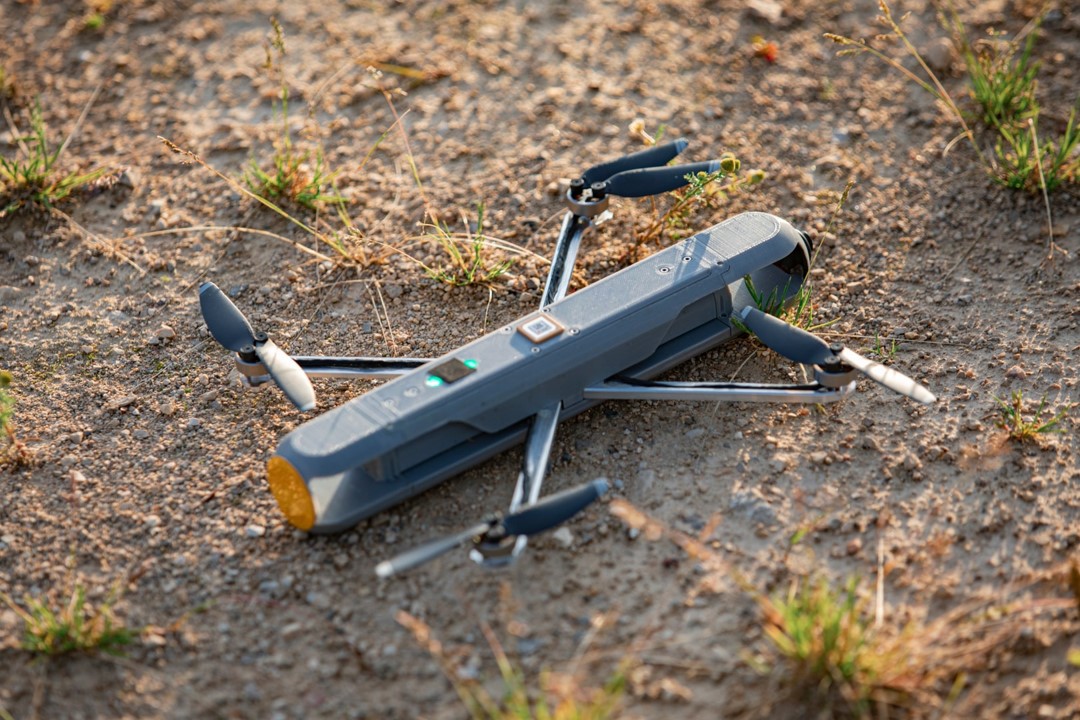
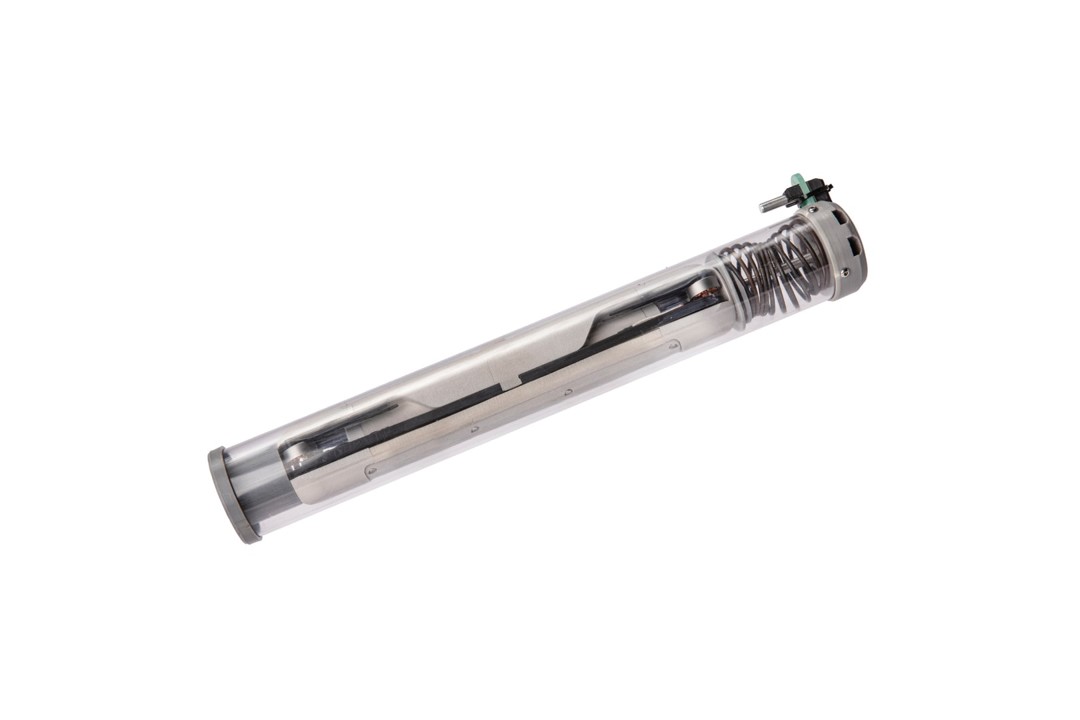
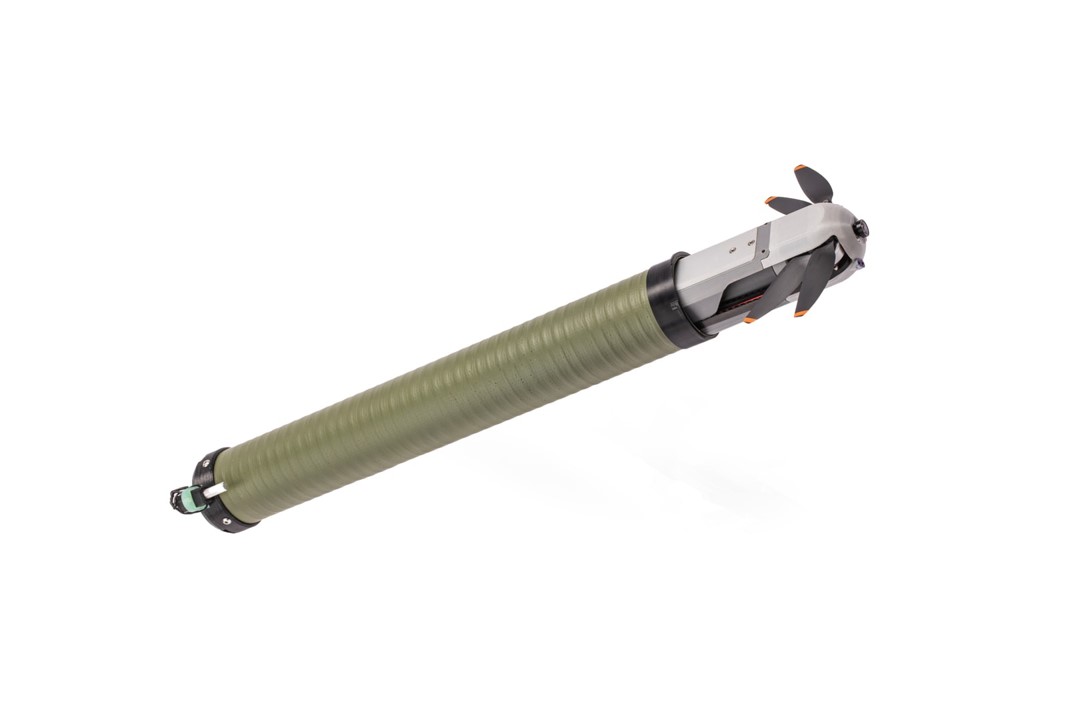
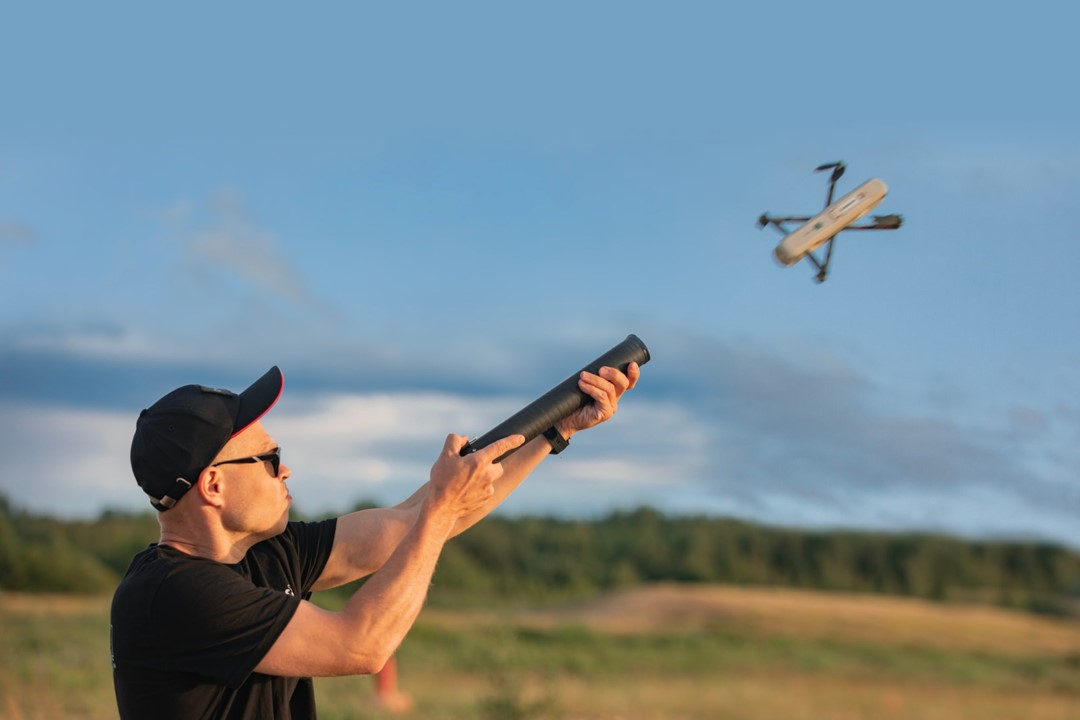
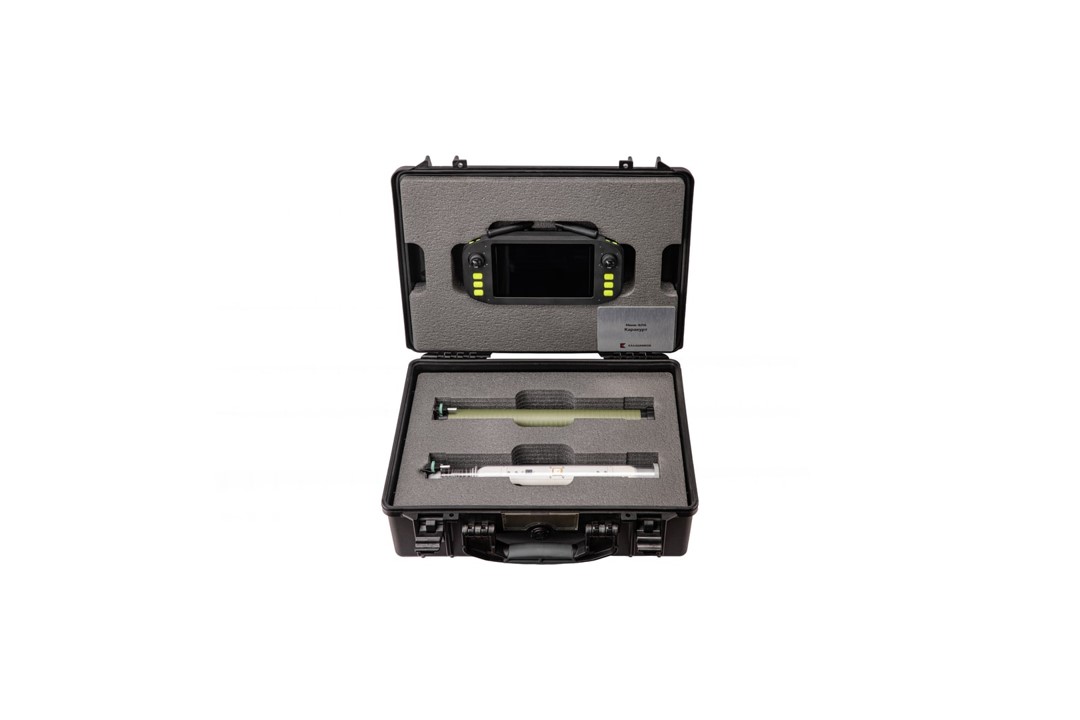
The Karakurt-R is a Russian unmanned aerial vehicle (UAV) designed to provide armed forces with rapid, discreet surveillance capabilities. This vertical take-off and landing (VTOL) drone has already been deployed in Ukraine, where its performance was evaluated under real combat conditions. Feedback from its operational use has led to modifications and enhancements that better meet the needs of military units in the field. Designed as a personal reconnaissance tool, the Karakurt-R is compact and lightweight, weighing only 300 grams, making it easy for soldiers to carry. Its tube-launch system enables immediate deployment without additional infrastructure or complex equipment. Once in the air, it can reach a maximum speed of 25 km/h and has a flight endurance of 20 minutes, making it suitable for short surveillance missions that demand high responsiveness. The drone operates at altitudes of up to 150 meters and has a range of 2,000 meters. One of the key features of the Karakurt-R is its optical system, which supports reconnaissance missions both during the day and at night. This system includes two drones equipped with daytime video cameras and two fitted with sensors for night operations, ensuring continuous surveillance regardless of lighting conditions. The drones are stored in transport and launch modules that facilitate deployment. A remote control terminal enables operators to receive real-time imagery and manage drone operations. The Karakurt-R is designed for maneuverability in confined environments, making it effective in urban areas or tight spaces where larger aerial vehicles are less suitable. Its lightweight design and agility make it particularly beneficial for infantry units operating on the front lines. In Ukraine, it has been used to gather precise intelligence on enemy positions, allowing for adjustments to military operations. In the event of signal loss, the drone is programmed to return to its launch point, ensuring the security of the collected data. The use of small UAVs in warfare has demonstrated their ability to provide real-time intelligence, track enemy movements, correct artillery fire, and enhance battlefield coordination. The Karakurt-R, with its tube-launch system and low detection profile, offers an operational advantage by delivering reconnaissance data without exposing soldiers to direct threats. Its deployment has also underscored the need for improved endurance and resistance to electronic countermeasures, areas that Kalashnikov is actively working to address.