Wing Loong X Chinese Unmanned Aerial Vehicle (UAV)
Wing Loong X
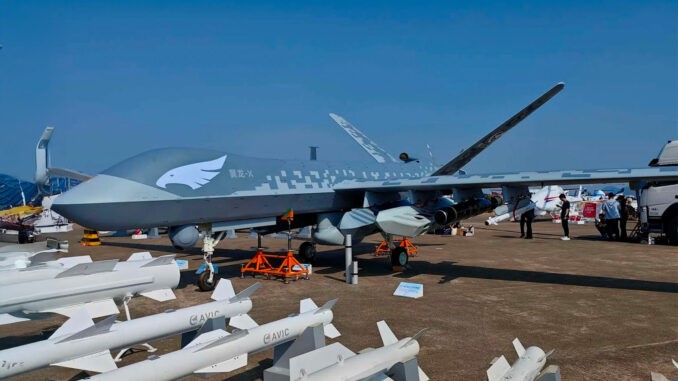
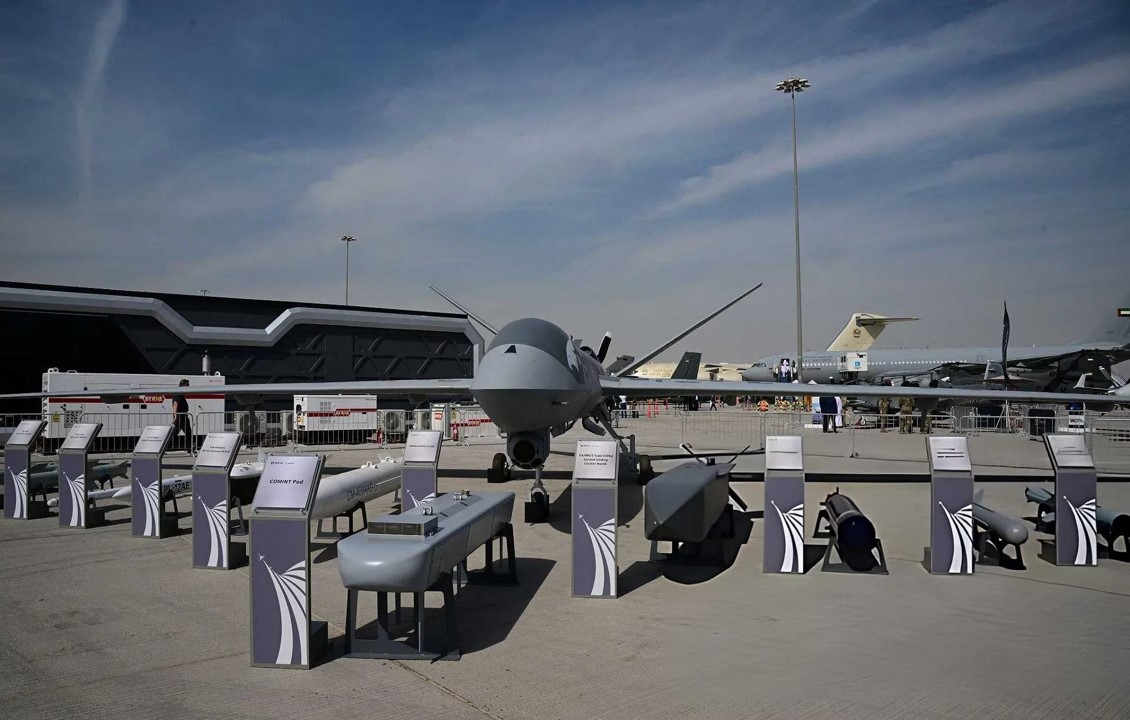
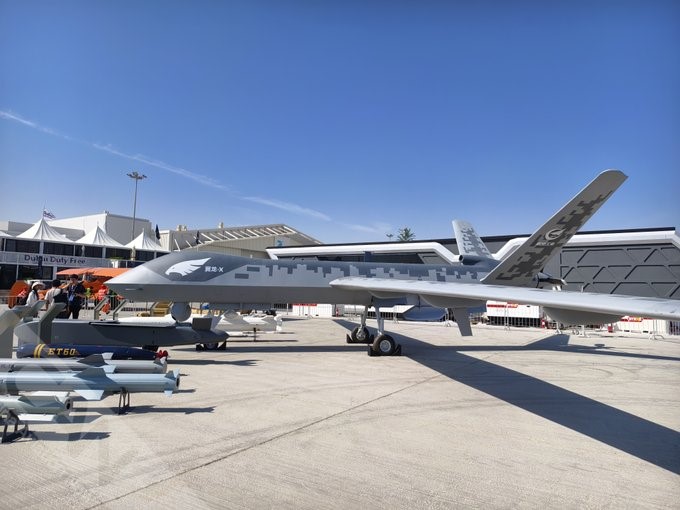
The Wing Loong X is the latest and most advanced member of China's Wing Loong Unmanned Aerial Vehicle (UAV) family, officially unveiled at the Dubai Airshow in late 2025. Unlike previous generations, the Wing Loong X is designed as a large, long-endurance UAV with a primary focus on anti-submarine warfare (ASW) and persistent maritime surveillance. One of its standout features is its autonomous ASW mission profile, which allows it to: - Deploy sonobuoys over vast ocean areas. - Receive, process, and analyze underwater acoustic data using advanced artificial intelligence without human intervention. - Detect, classify, and track submarine targets, distinguishing between genuine threats and benign objects. - Launch torpedoes or coordinate with other platforms for anti-submarine engagement when necessary. This level of autonomy surpasses what previous Chinese drones and most Western counterparts have achieved in unmanned ASW roles. **Swarms and Networking:** Multiple Wing Loong X drones can operate together as a swarm, creating a persistent and extensive maritime surveillance and strike network. This capability serves as a significant force multiplier for the People's Liberation Army Navy (PLAN) in contested regions such as the South China Sea. **Stealth and Endurance:** The UAV's large internal volume allows for a substantial payload of sensors and sonobuoys, while its high flight endurance ensures continuous monitoring of critical maritime chokepoints. The introduction of the Wing Loong X could have major implications for both regional and global naval balance, especially given China's ambitions for dominance in the South China Sea. Persistent drone-based ASW networks can diminish the operational stealth advantage of submarines and present new challenges for adversary navies. Overall, the Wing Loong X marks a significant advancement in unmanned military aviation, enhancing China’s capabilities in fully autonomous anti-submarine operations, long-duration surveillance, and strike potential. This development highlights a major leap in Chinese defense technology and has important strategic implications for maritime security.