Mi-8 (Hip) Russian Medium Transport Helicopter
Mi-8T
Utility Helicopter
Spotted an error? Sign in to suggest an edit.
Other




Basic Information
Name
Mi-8 (Hip) Russian Medium Transport Helicopter
Designation
Mi-8T
Alternate Designation
Mi-8T; NATO: Hip
Equipment Type
Utility Helicopter
Manufacturer
—
Date of Introduction
1967
Description
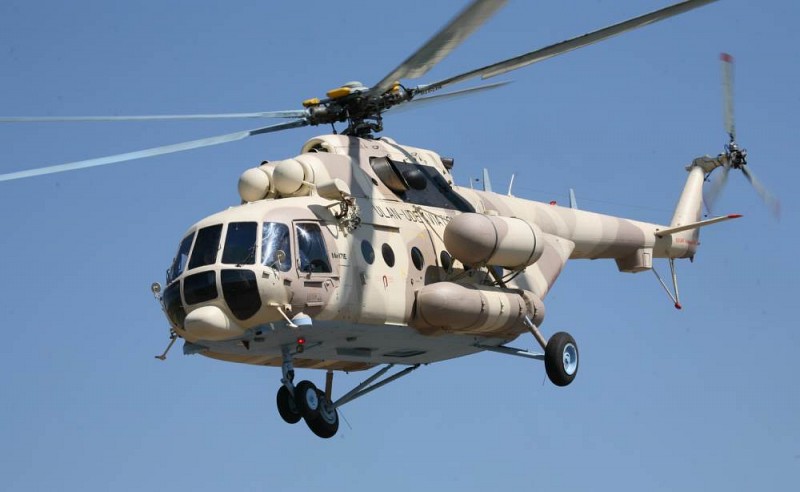
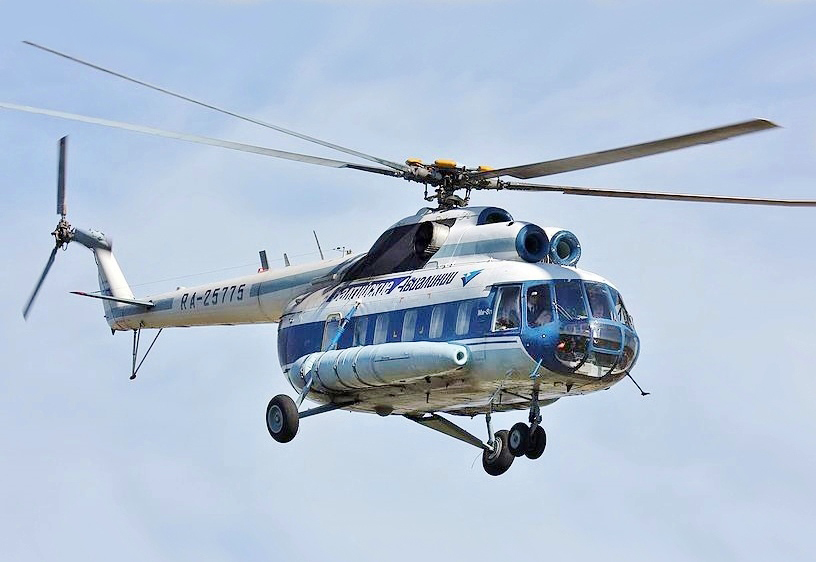
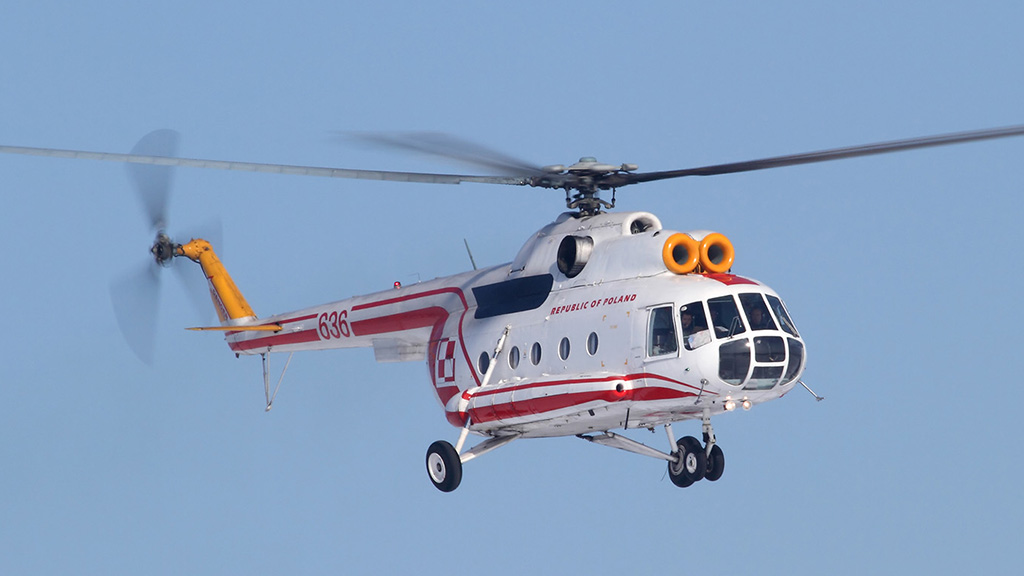
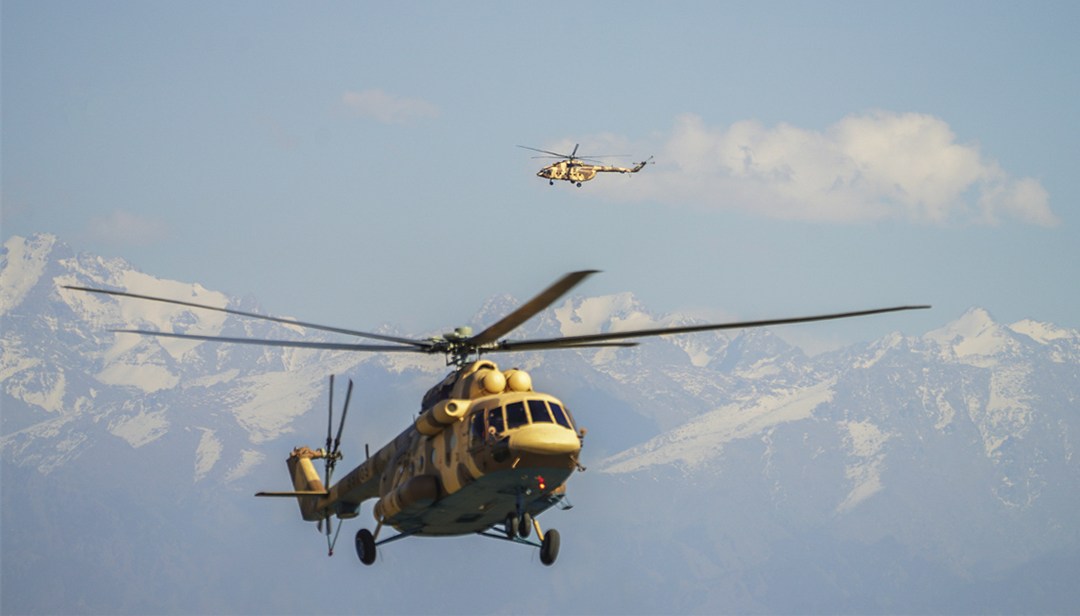
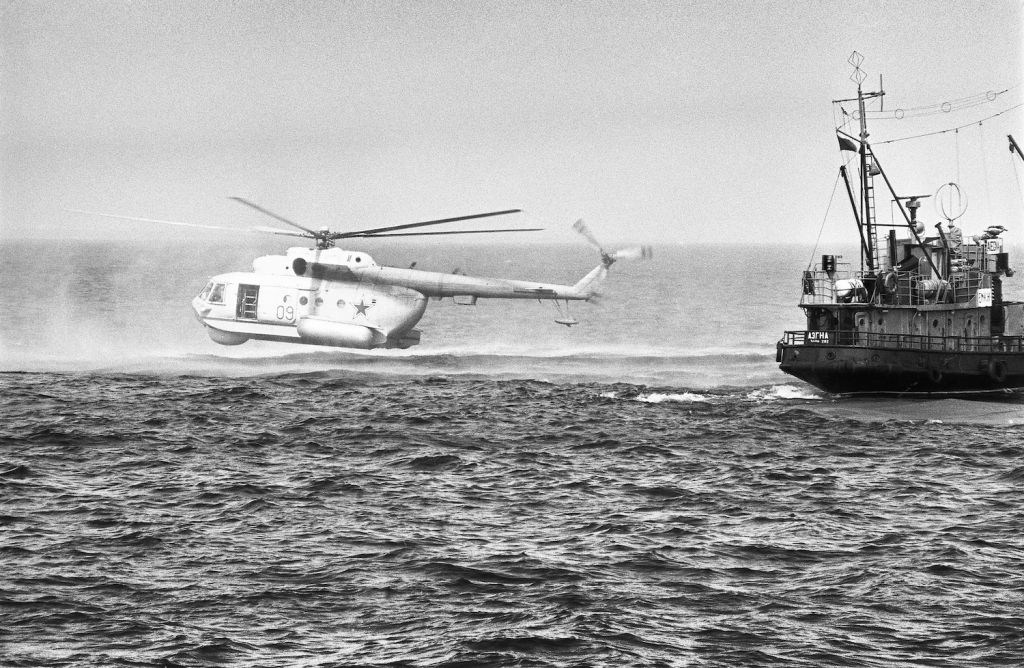
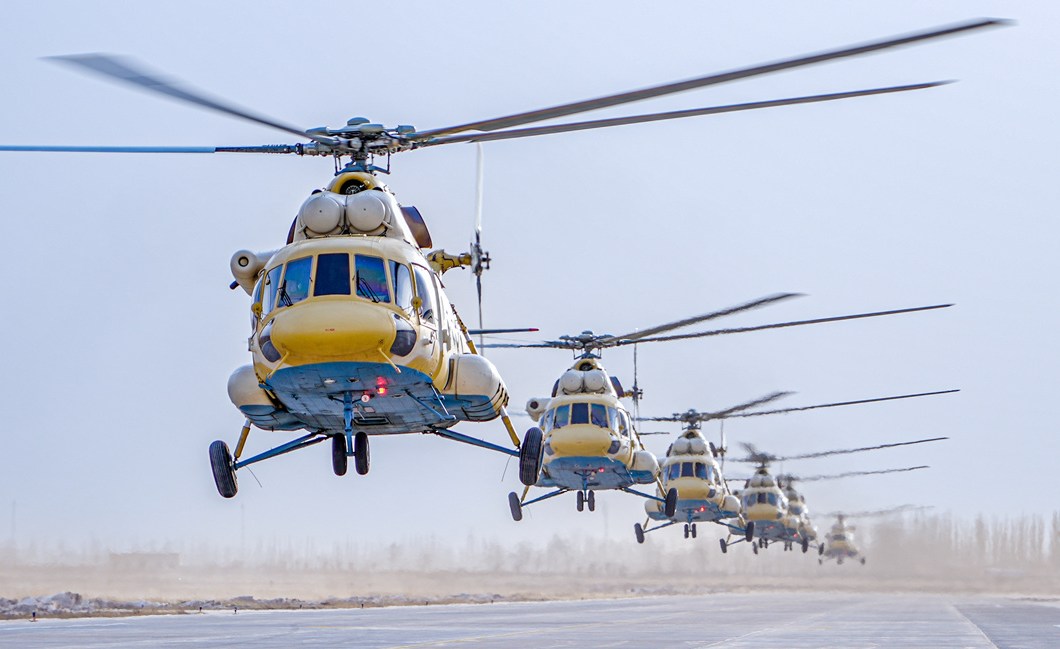
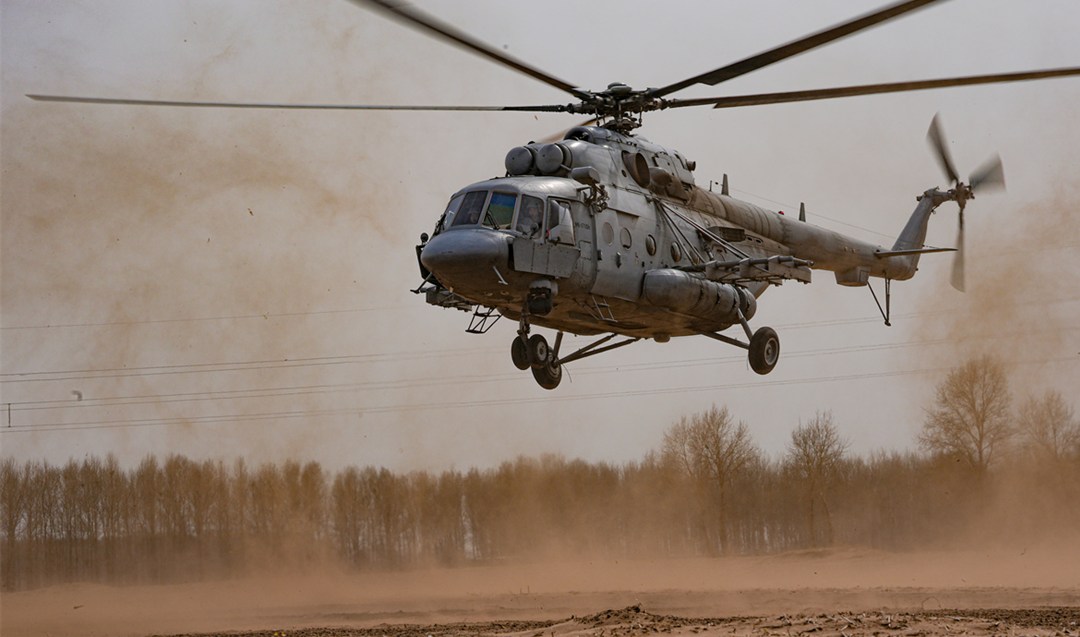
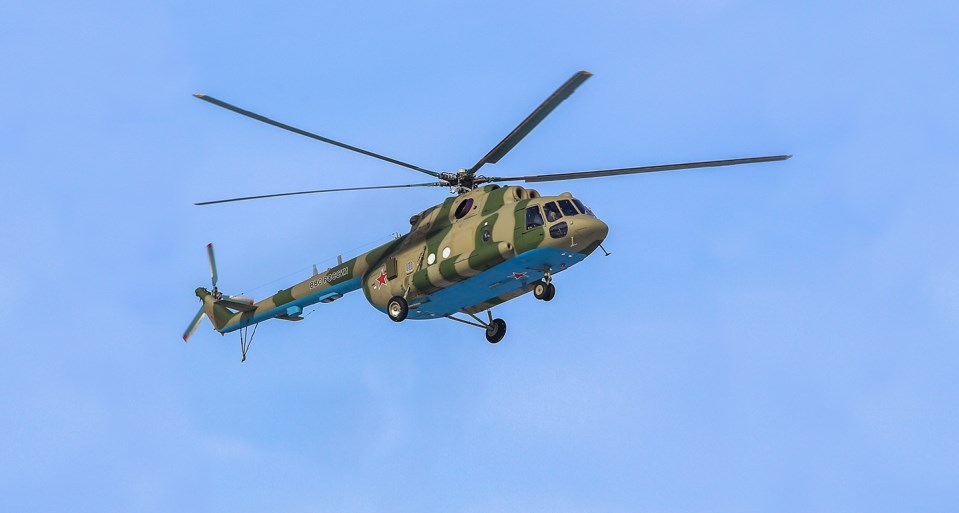
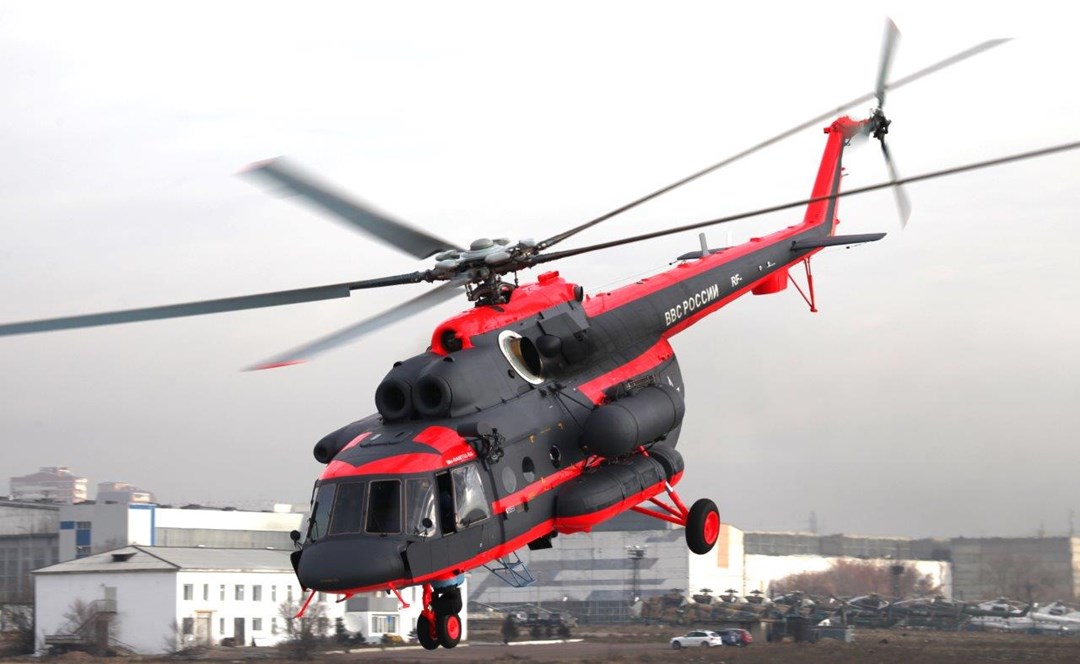
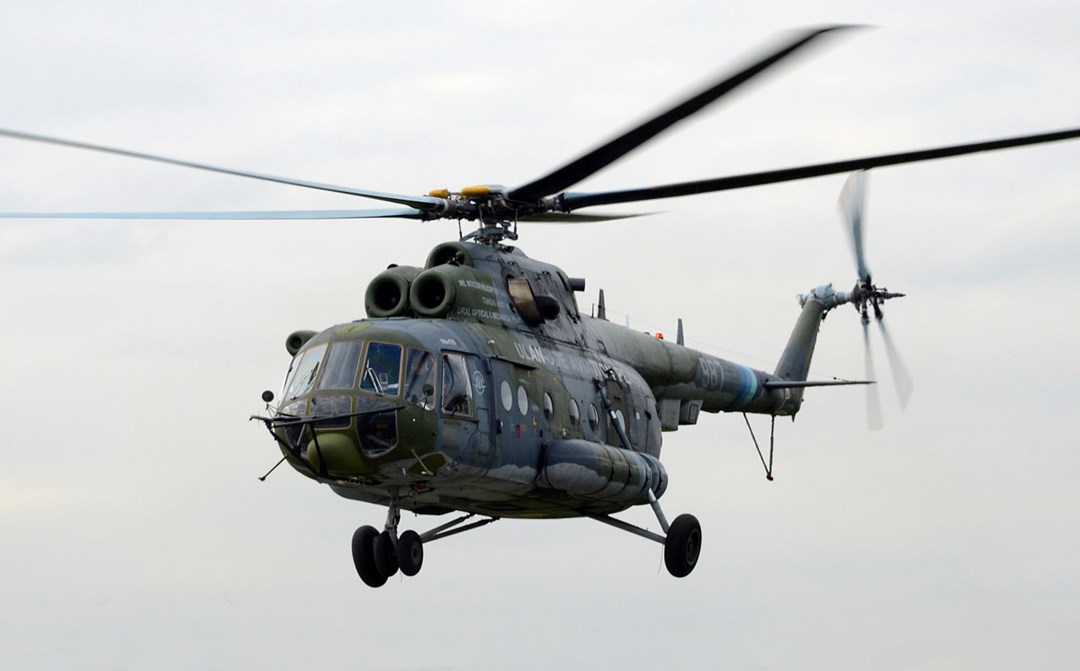
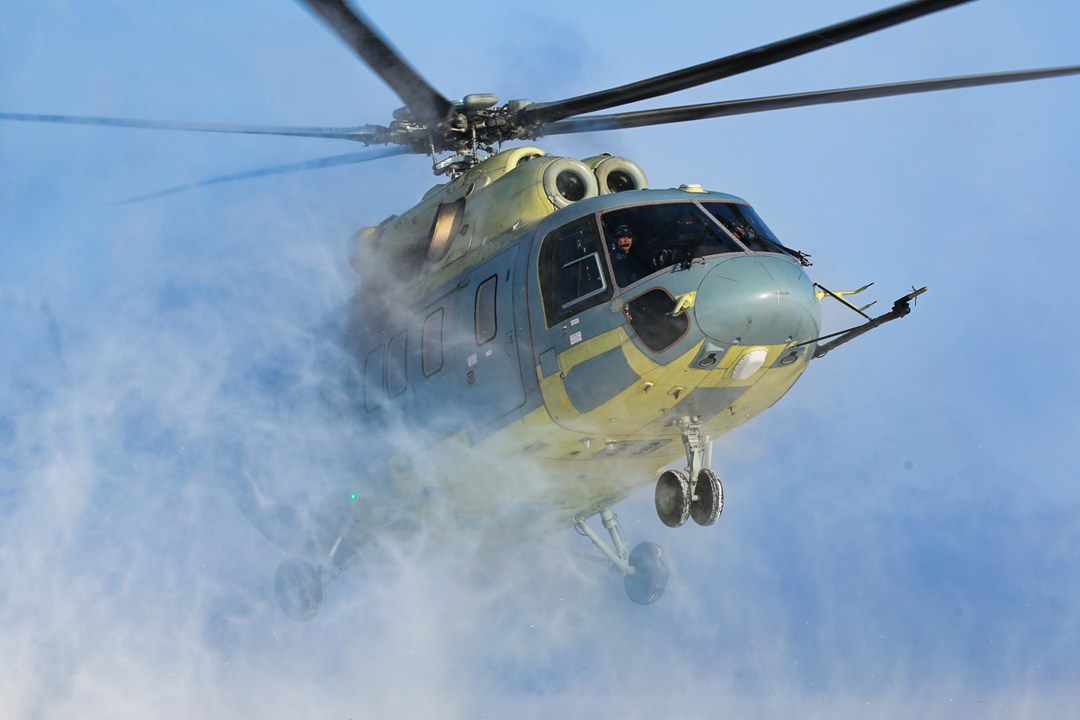
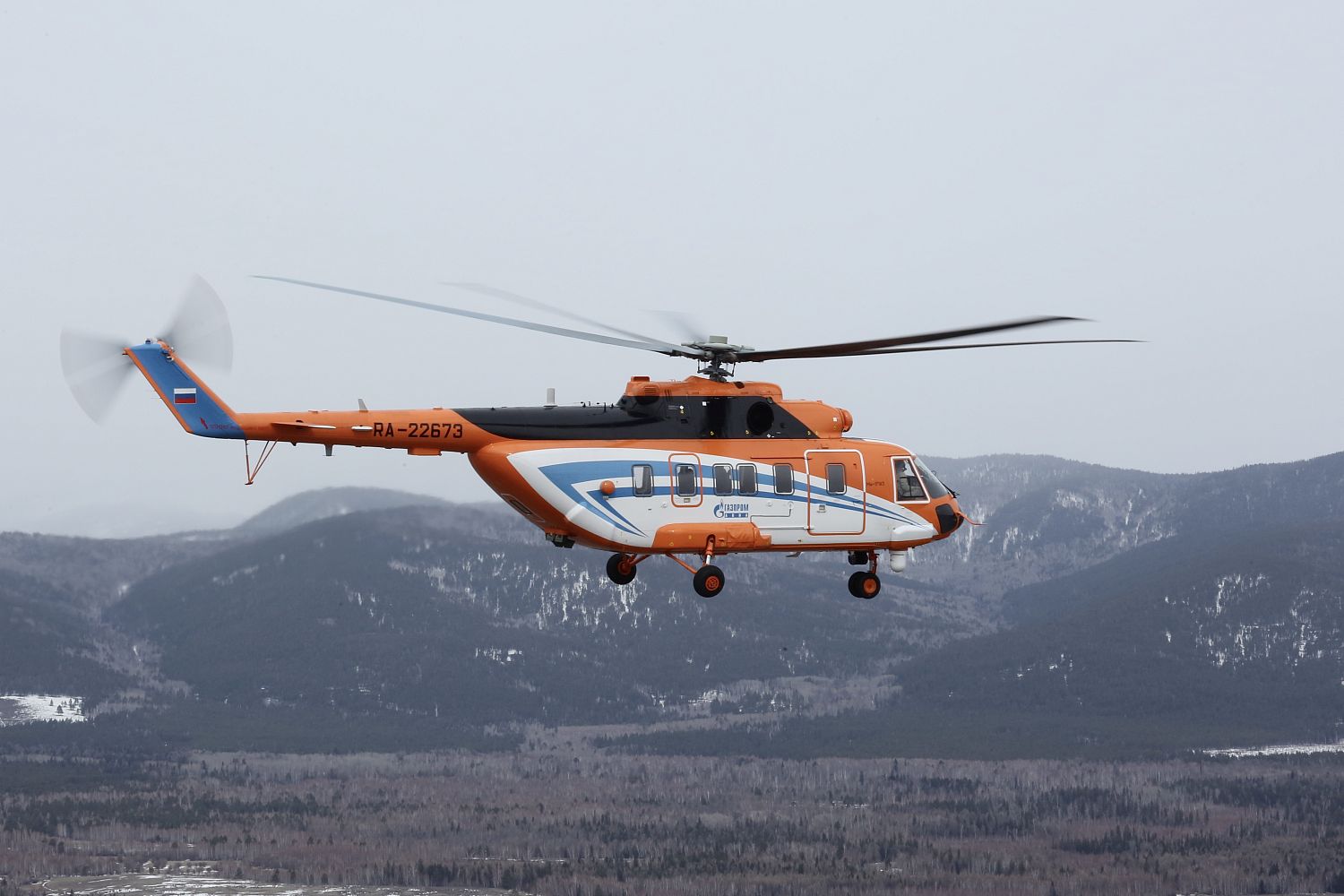
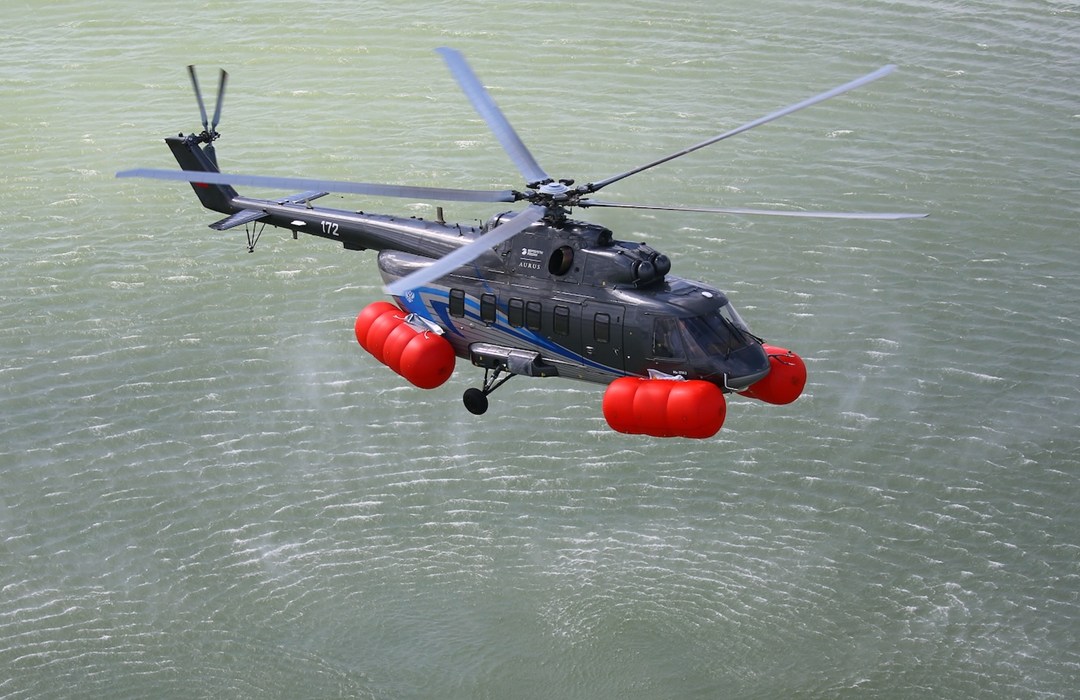
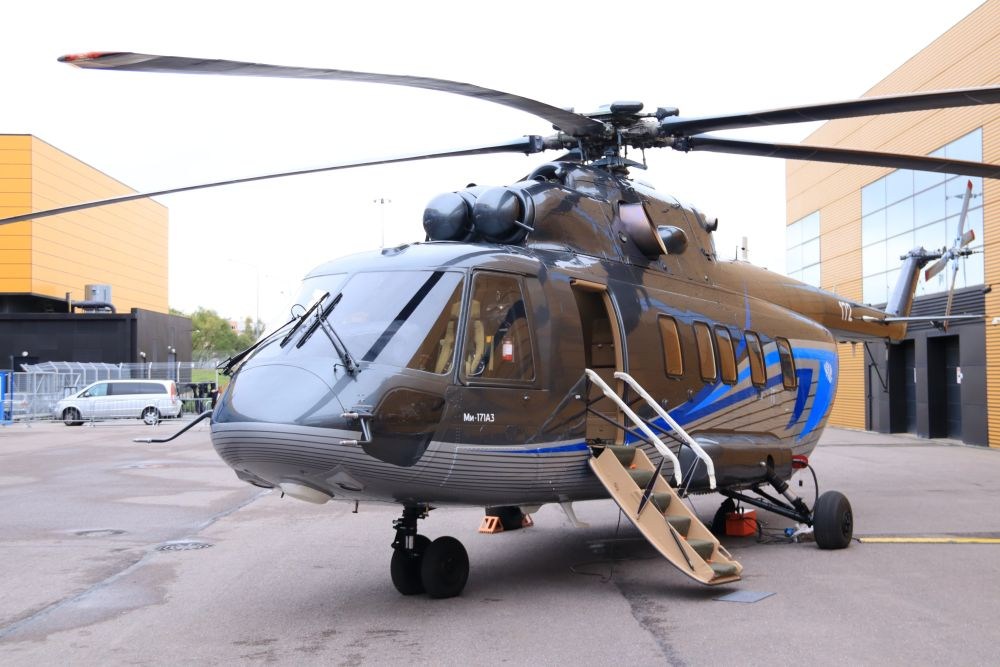
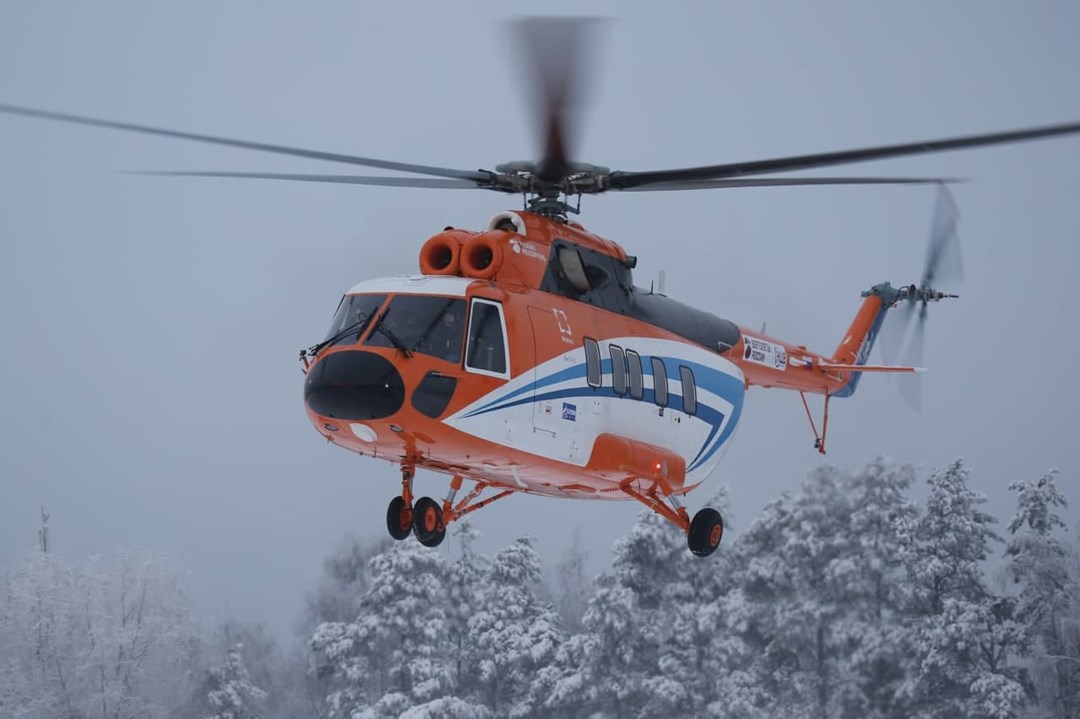
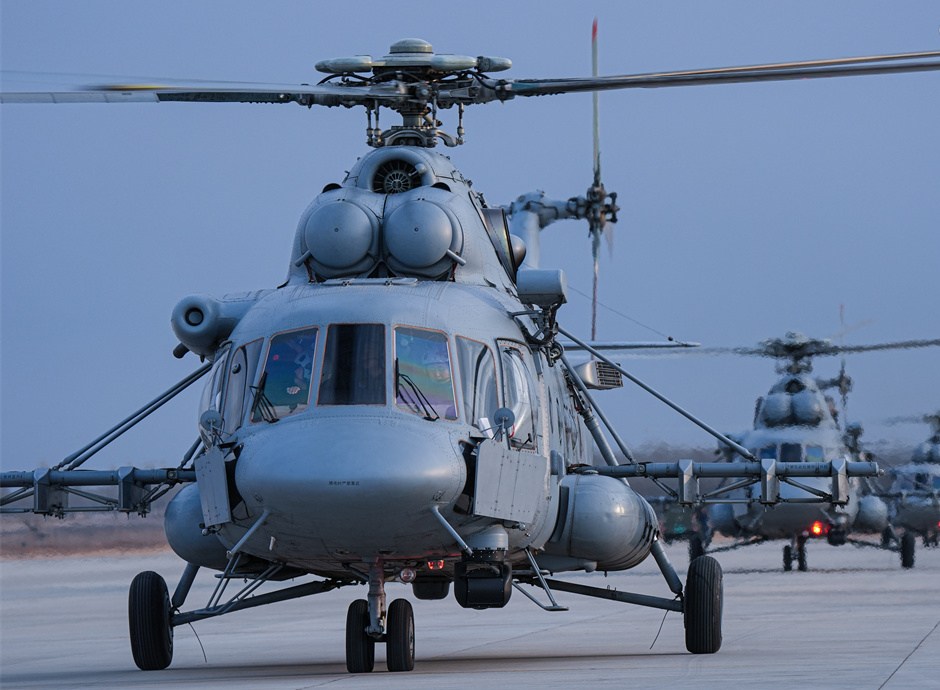
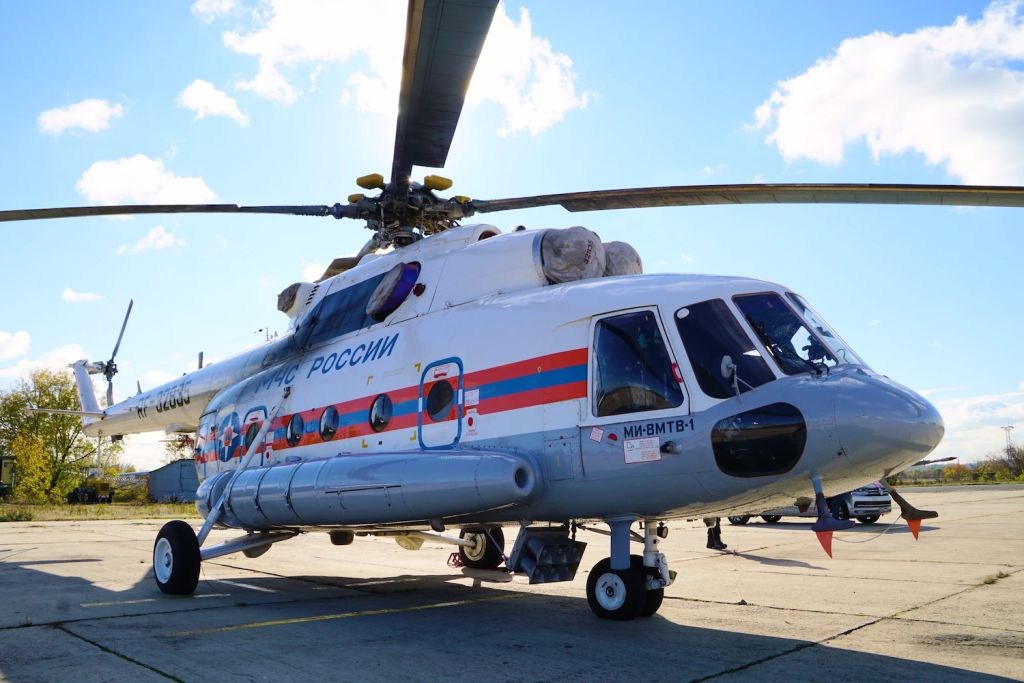
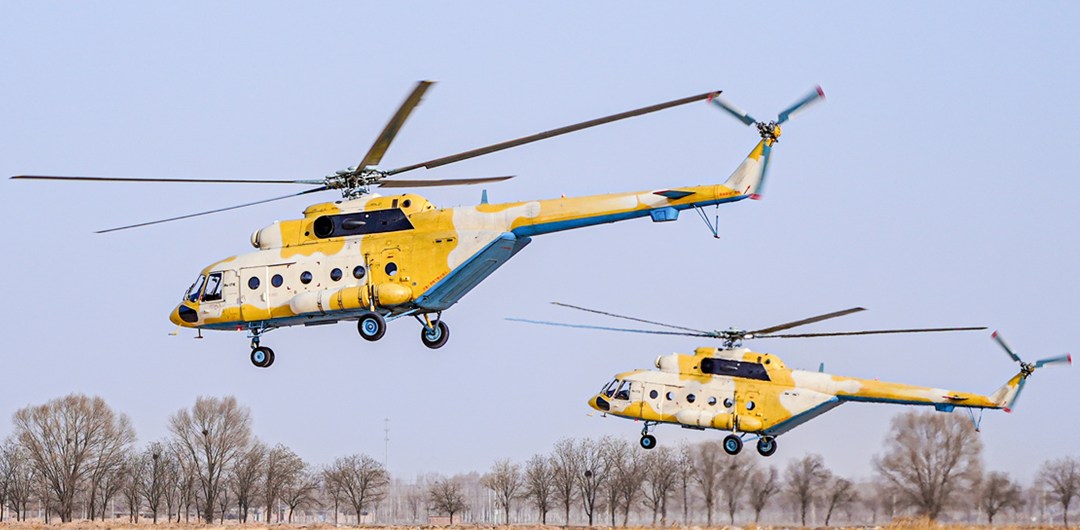
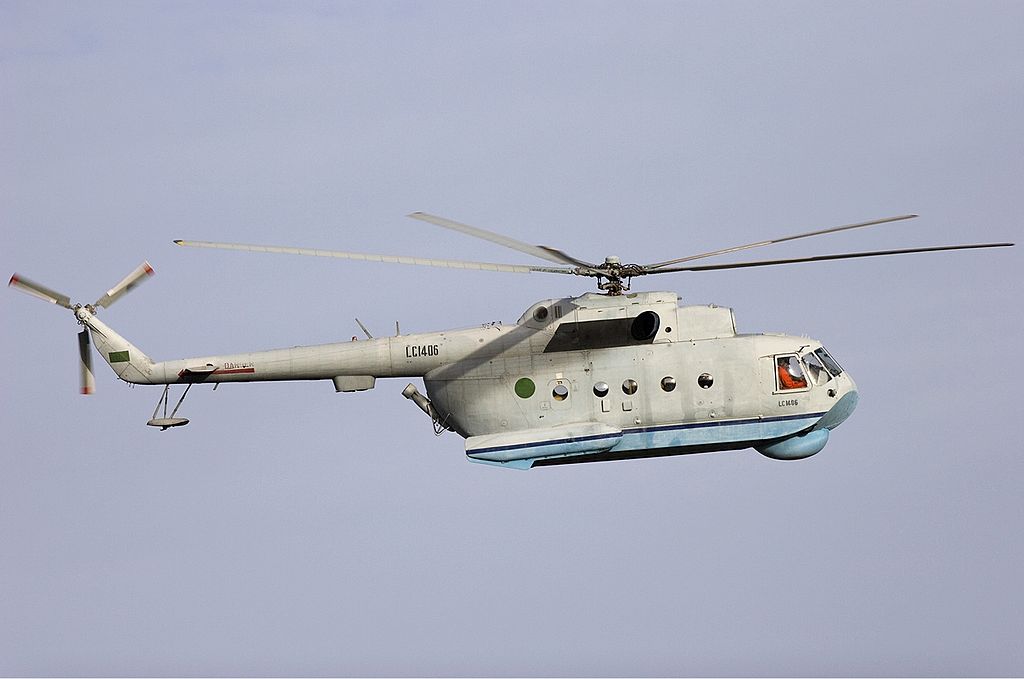
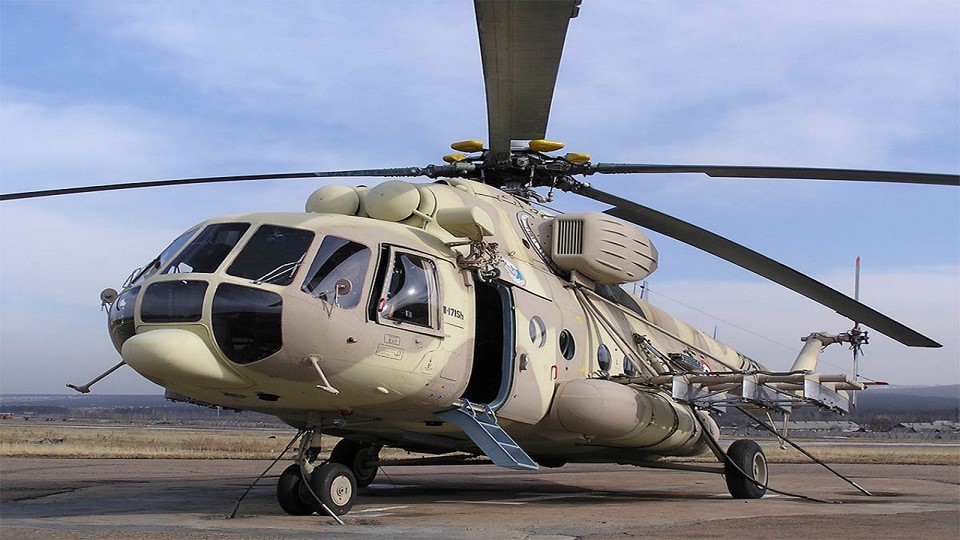
Mi-8 (Hip) Russian Medium Transport Helicopter is a medium twin-turbine helicopter, originally designed by the Soviet Union, and now produced by Russia. In addition to its most common role as a transport helicopter, the Mi-8 is also used as an airborne command post, armed gunship, and reconnaissance platform. Along with the related, more powerful Mil Mi-17, the Mi-8 is among the world's most-produced helicopters, used by over 50 countries. As of 2015, it is the third most common operational military aircraft in the world.
Air & Air Defense Specifications
Crew
3
Engine
Turboshaft (1482 hp)
Max Speed
249.0 km/h
Service Ceiling
4500 m
Variants
Mi-8T (NATO – Hip-C)
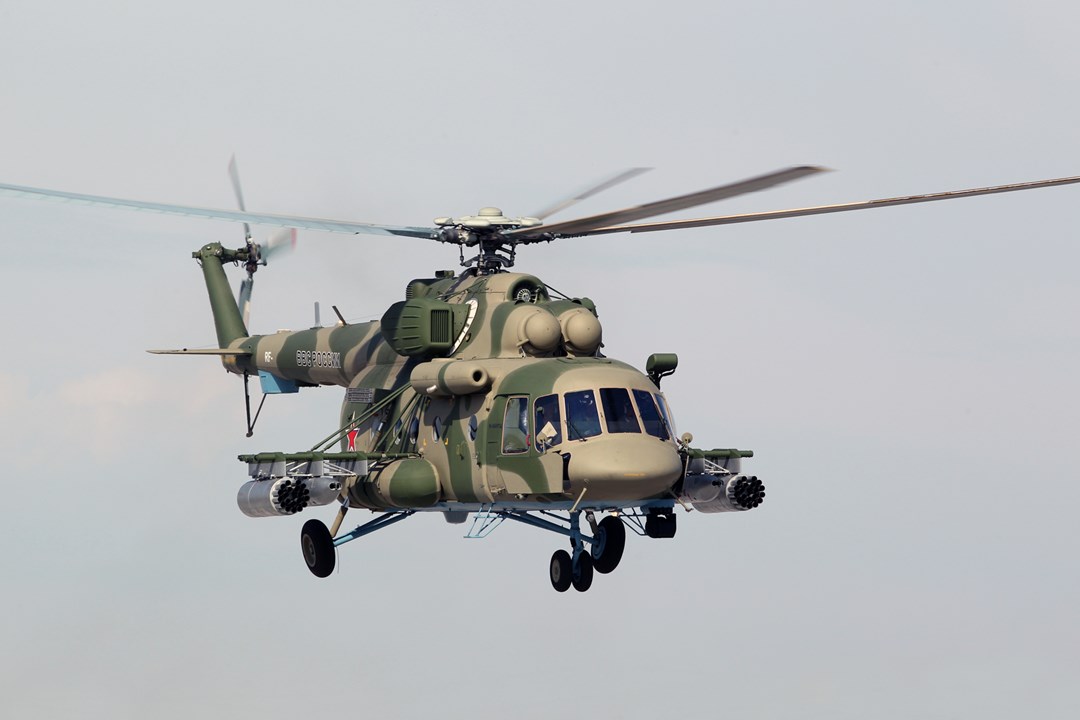
First mass production utility transport version, it can carry four UV-16-57 unguided rocket pods, (with S-5 rockets), mounted to four hardpoints on two outrigger pylons, and is armed with one or two side-mounted PK machine guns.
Mi-8TV
Armed version of the Mi-8T.
Mi-8TVK (NATO – Hip-E, a.k.a. Mi-8TB)
Version used as a gunship or direct air support platform. Airframe modifications add 2x external hard points for a total of 6, and mount a flexible 12.7 mm (0.5-inch) KV-4 machine gun in the nose. Armament of 57 mm S-5 rockets, six UV-32-57 rocket pods, 551-lb (250-kg) bombs, or four AT-2 Swatter ATGMs.
Mi-8TBK (NATO – Hip-F)
Armed export version, fitted with six launch rails to carry and fire Malyutka missiles.
Mi-8IV (NATO – Hip-G, a.k.a. Mi-9)
Airborne command post version fitted with "Ivolga" system, characterized by antennas, and Doppler radar on tail boom.
Mi-8PP (NATO – Hip-K)
Airborne jamming platform with "Polye" (field) system. From 1980, the type was fitted with the new "Akatsiya" system and redesignated the Mi-8PPA. It is characterized by six "X"-shaped antennas on each side of the aft fuselage. Built to escort troop-carrying versions of this helicopter, and disrupt potentially-nearby SPAAG radars, such as those of the Flakpanzer Gepard.
Mi-8PD
Polish airborne command post version.
Mi-8SMV (NATO – Hip-J)
Airborne jamming platform with "Smalta-V" system, characterized by two small boxes on each side of the fuselage. Used for protection of ground attack aircraft against enemy air defenses.
Mi-8VKP (NATO – Hip-D, a.k.a. Mi-8VzPU)
Airborne communications platform with rectangular communication canisters mounted on weapons racks and with two frame-type aerials above the rear fuselage.
Mi-8AD
Minelaying version with four VSM-1 dispensers. Each dispenser contains 29 cassettes KSO-1 with anti-personnel mines, for example 7,424 x PFM-1 or 464 x POM-2 or 116 x PTM-3.
Mi-8AV
Minelaying version with VMR-1 or −2 system for 64 or 200 anti-tank mines.
Mi-8BT
Mine-clearing version.
Mi-8MB "Bissektrisa"
Military ambulance version.
Mi-8R (a.k.a. Mi-8GR)
Tactical reconnaissance version with Elint system "Grebeshok-5".
Mi-8K
Artillery observation, reconnaissance version.
Mi-8SMT
Military staff transport version, fitted with improved radio equipment R-832 and R-111.
Mi-8SKA
Photo-reconnaissance version.
Mi-8T(K)
Photo-reconnaissance version.
Mi-8TZ
Fuel transport tanker version.
Mi-8MTYu
Only one was built and used by the Ukrainian Air Force, based at AB "Kirovske". Intended for detection of re-entry vehicles, and small surface targets. In the nose radar antenna.
Mi-8MSB
Modernized passenger-transport version for civil aviation
Mi-8MSB-V
Modernized multipurpose helicopter for the Ukrainian Armed Forces.
Mi-8T (NATO – Hip-C)
Civilian and military utility transport version, with accommodation for 24 passengers, fitted with tip-up seats along the cabin walls, circular cabin windows and large rear clamshell doors with a sloping hinge line. The Mi-8T is powered by two 1,677 shp (1,251 kW) Klimov TV2-117A turboshaft engines, giving the helicopter a maximum speed of 155 mph (249 km/h) at sea level.
Mi-8P
Civilian passenger transport version, with accommodation for between 28 and 32 passengers, fitted with square cabin windows, small rear clamshell doors with a vertical hinge line and a horizontally split rear airstair door in between; powered by two 1,700 hp (1,300 kW) Klimov TV2-117A turboshaft engines.
Mi-8S "Salon"
Civilian VIP transport version, with accommodation for between 9 and 11 passengers, equipped with a galley and toilet.
Mi-8MPS
Search and rescue version (operated usually in Malaysia for Fire and Rescue Department services).
Mi-8MA
Polar exploration version for use in the Arctic.
Mi-8MT
Flying crane version.
Mi-8AT
Civilian transport version, fitted with two improved TV2-117AG turboshaft engines.
Mi-8ATS
Agricultural version, fitted with a hopper and spray bars.
Mi-8TL
Air accident investigation version.
Mi-8TM
Upgraded transport version, fitted with a weather radar.
Mi-8TS
Hot and high desert version.
Mi-8VIP
Deluxe VIP transport version, with accommodation for between 7 and 9 passengers.
Mi-8PA
Modified version for Japanese regulations. One only was built, in 1980. It was used by Aero Asahi for heavy material transport in a mountainous region. It was retired in 1993 and later moved to the Tokorozawa Aviation Museum.
System
Alternative Designation
Mi-8T; NATO: Hip
Primary Function
Armed assault-transport
Type
Medium twin-turbine transport helicopter
Manufactuer
Kazan Helicopter Plant
Ulan-Ude Aviation Plant
Crew
3 (2x pilots, 1x flight engineer)
Blades, Main Rotor
5 ea
Blades, Tail Rotor
3 ea
Day/Night Capable
The Mi-8 is equipped with instruments and avionics allowing operation in day, night, and instrument meteorological conditions.
All Weather Capable
The Mi-8 is equipped with instruments and avionics allowing operation in day, night, and instrument meteorological conditions.
Takeoff or Landing Limitations
INA
Vertical Climb Rate
9 m/s
Number of Hard Points
4 ea
Standard Payload
HIP C: 24 troops, or 3,000 kg internal or external loads on 4x hardpoints.
Landing Gear
Fixed main gear struts run down and out from attachment points on the upper, rear fuselage. A second strut holds the wheel well away from the lower fuselage. The two-wheel nose gear is fitted under the fuselage just behind the cockpit
Dimensions
Length, with Rotors Turning
25.2 m
Length, Fuelage
18.2 m
Width
2.5 m
Height
5.65 m
Main Rotor Diameter
21.3 m
Tail Rotor Diameter
3.9 m
Cargo Compartment, Length
5.3 m
Cargo Compartment, Width
2.3 m
Cargo Compartment, Height
1.8 m
Weight, Maximum Gross
12,000 kg
Weight, Normal Takeoff
11,100 kg
Weight, Empty
6,990 kg
Automotive
Engine Name
2 x TV2-117
Engine Type
Medium twin-turbine
Engine Power
1,482 hp
Fuel, Internal
445 liters
Fuel, Internal Aux Tank
915 liters ea
Fuel, External Fuel Tank
45 liters in port tank,
680 liters in starboard tank
Speed, Maximum
250 km/h
Speed, Average
225 km/h
Service Ceiling
4,500 m
Range, Maximum Load
350 km
Range, Normal Load
460 km
Range, with Auxilery Fuel
950 km
Service Ceiling, Service
4,500 m
Service Ceiling,Hover (out of ground effect)
800 m
Service Ceiling,Hover (in ground effect)
1,900 m
Vertical Climb Rate
9 m/s
Door Mounted Gun
Note
Loaded combat troops can fire personal weapons through windows from inside cabin.
Wing Mounted Weapons
Additional Armament that can be equipped on the Mi-8T
2 x 7.62-mm Machine Guns or 1 x 12.7-mm Machine Gun; 4-6 x AT-2C Swatter or AT-3 Sagger ATGMs;
4-6 x 57-mm rocket pods (16 each);
2 x 80-mm rocket pods (20 each);
4 x 250-kg bombs;
2 x 500-kg bombs;
2 x 12.7-mm MG pod;
2 x Twin 23-mm gun pods;
1,830 liters Additional fuel tanks
Rocket System
Name
UB-32 (rocket pod)
Type
57 mm, reusable, 32-salvo rocket pod
Length, Launcher
2,080 mm
Diameter, Launcher
464 mm
Basic Load for the UB-32 Rocket Pod
4, one on each hardpoint
Number of Rockets in each UB-32 Rocket Pod
32 ea
Rocket
Name
S-5 Rockets
Type
Rocket
Length, Rocket
2,080 mm
Diameter, Rocket
481 mm
Weight Empty
103 kg
Weight Loaded
264 kg
Warhead Types
produced in a variety of sub-types with different warheads, including HEAT anti-armor (S-5K), high-explosive fragmentation (S-5M/MO), smoke, and incendiary rounds
Maximum Effective Range
3-4 km depending on the warhead and fuze
Basic Load
32 x S-5 Rockets per UB-32 Rocket Pod
Fire Control
Fire Control System Type
INA
Fire Control Radar
INA
Digital or Analog Cockpit
INA
Direct Fire Control
Yes
Laser Designator
INA
Automated Helmet
INA
Position Location System
Yes
Weather Radar
Type 8A-813
Navigation Radar
DISS-32-90 Doppler navigation under tailboom
Protection
Armor Type
Bolt-on
Fuselage
semi-monocoque pod and boom fuselage has a nearly stepless front
Cockpit Glass
large, five-section windshield and lower nose windows
Stealth Properties
No
Heat Signature Reduction
IR over engine exhausts
Add on Armor
Available
NBC Protection
Yes
EW
INA
EW Counter Measures/CCM
INA
Counter Measures (Chaff/Flares)
Yes,
Jammer
Hot Brick IR
Details
Country of Origin
Russia
Category
Transport Helicopter
Air > Transport Helicopter
Filter Label
M
Sources
deagel.com: https://www.deagel.com/x/x/a000692
Classification
Domain
Air & Air Defense
Equipment Status
Active
Dimensions
Length
—
Width
2.5 m
Height
5.65 m
Weight
12000 kg
Related Equipment (6)
Variant
Variant
Variant
Variant
Operators (64)
Russia
China
United States
Germany
Ukraine
Poland
Turkey
India
Iran
North Korea
Pakistan
Czech Republic
Serbia
Belarus
Afghanistan
Albania
Algeria
Angola
Armenia
Azerbaijan
Bhutan
Bosnia and Herzegovina
Bulgaria
Burkina Faso
Cambodia
Canada
Colombia
Congo, Republic of the
Croatia
Cuba
Djibouti
Egypt
Eritrea
Ethiopia
Georgia
Guinea
Guinea-Bissau
Indonesia
Iraq
Kazakhstan
Kyrgyzstan
Laos
Latvia
Libya
Lithuania
Maldives
Mali
Mexico
Moldova
Mongolia
Montenegro
Mozambique
Nepal
Peru
Romania
Slovakia
Somalia
Sudan
Syria
Tajikistan
Turkmenistan
Uzbekistan
Vietnam
CFE Treaty
Something went wrong. Please reload the page.
Reload