Trinity Tactical German Unmanned Aerial Vehicle (UAV)
Trinity Tactical

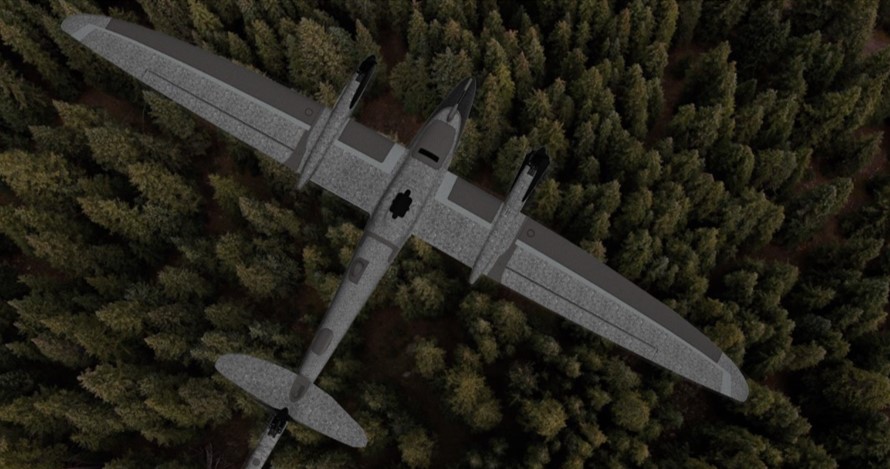

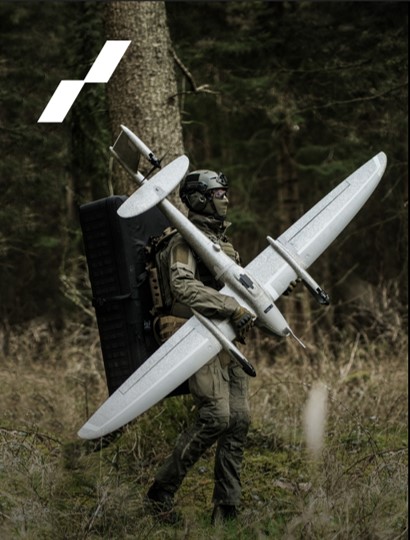
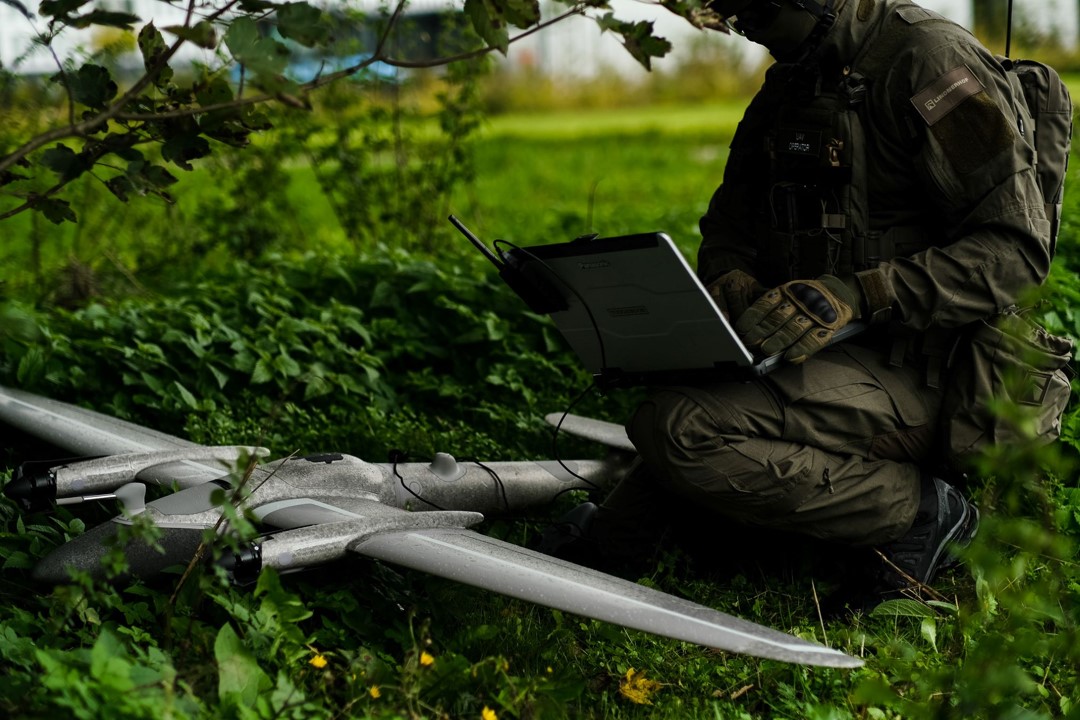
The Trinity Tactical German Unmanned Aerial Vehicle (UAV) leverages the proven commercial eVTOL technology from the Trinity F90+ UAS to provide users with a durable, portable system that fits in a rucksack and meets today’s cybersecurity and NDAA compliance requirements. Tactical teams operating in forward-deployed, disconnected environments cannot afford to wait for imagery to come from rear echelon sources; they need access to a Geographic Information System (GIS) at the tactical edge. The Trinity Tactical UAV can perform fully controlled vertical take-offs and landings, even in confined spaces. With an IP54 rating and an ESC cooling system, it can fly efficiently for up to 90 minutes across a range of environmental conditions, reaching a maximum speed of 17 meters per second. In a single flight, the system can cover an area of 700 hectares or a linear corridor up to 90 kilometers long, providing an extremely accurate ground sampling distance (GSD) resolution of up to one centimeter. Trinity Tactical is equipped with a variety of interchangeable sensors, including high-resolution RGB and multispectral cameras, as well as a LiDAR scanner. These sensors are fully integrated and can be exchanged in seconds using a smart quick-lock mechanism. Thanks to its versatile range of sensors, the Trinity Tactical system is the ideal tool for data capture for tasks such as route planning, battle management assessment, line-of-sight analytics, landing zone reconnaissance, and other intelligence collection activities. The system is compactly stored and carried in a backpack and can be made operational in a matter of minutes. Its modular design allows for quick assembly and payload exchange without the need for tools. Trinity Tactical comes with QBase 3D flight and mission planning software, which performs automated tactical mapping and terrain visualization missions to reduce the operator's cognitive load. With a flight time of 90 minutes, Trinity Tactical can cover vast areas efficiently. Onboard geotagging, direct georeferencing, and preliminary stitching of images help streamline the data capturing and processing workload for the operator.