Mi-2 (Hoplite) Russian Light Utility Helicopter
Mi-2
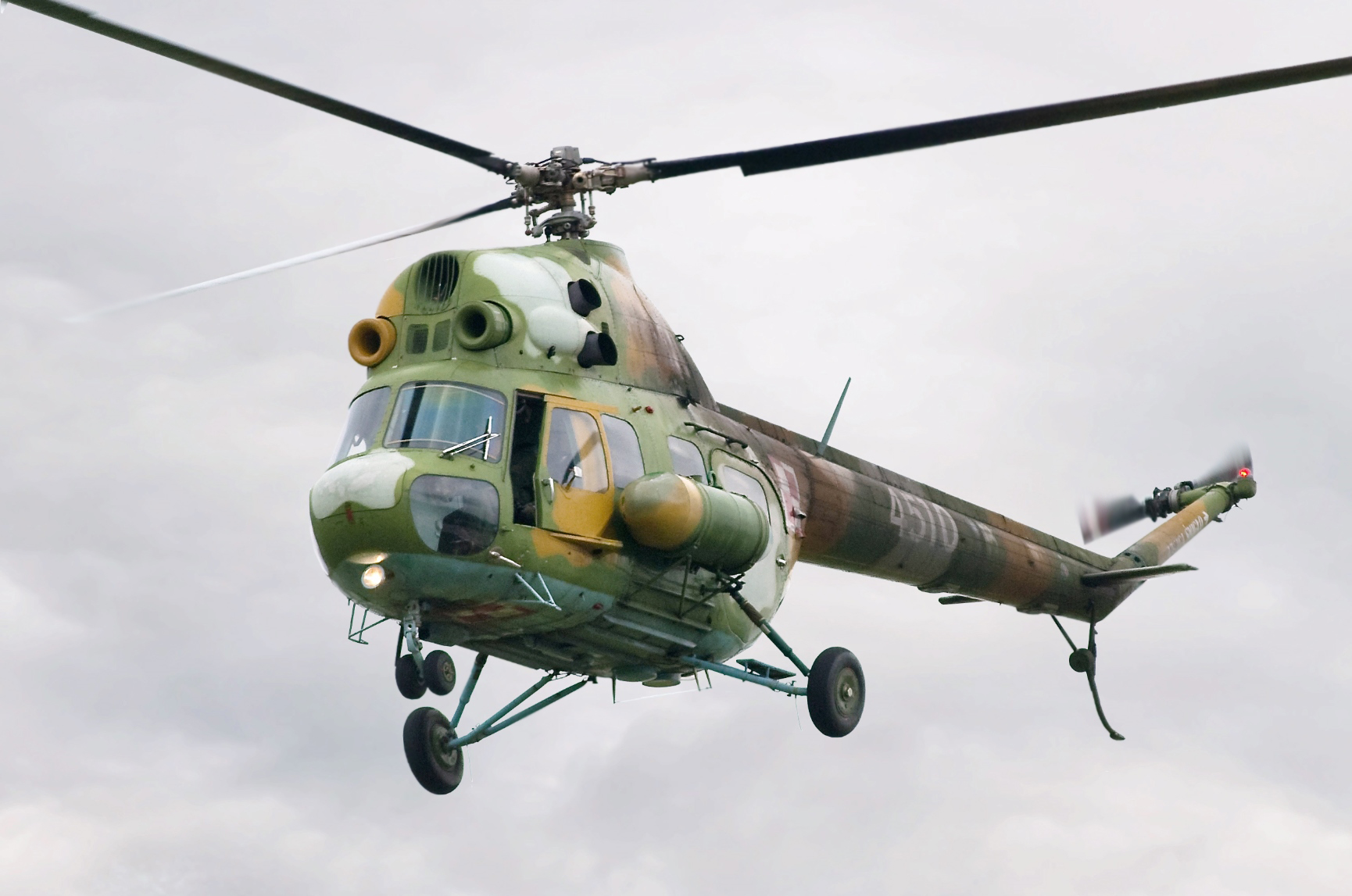
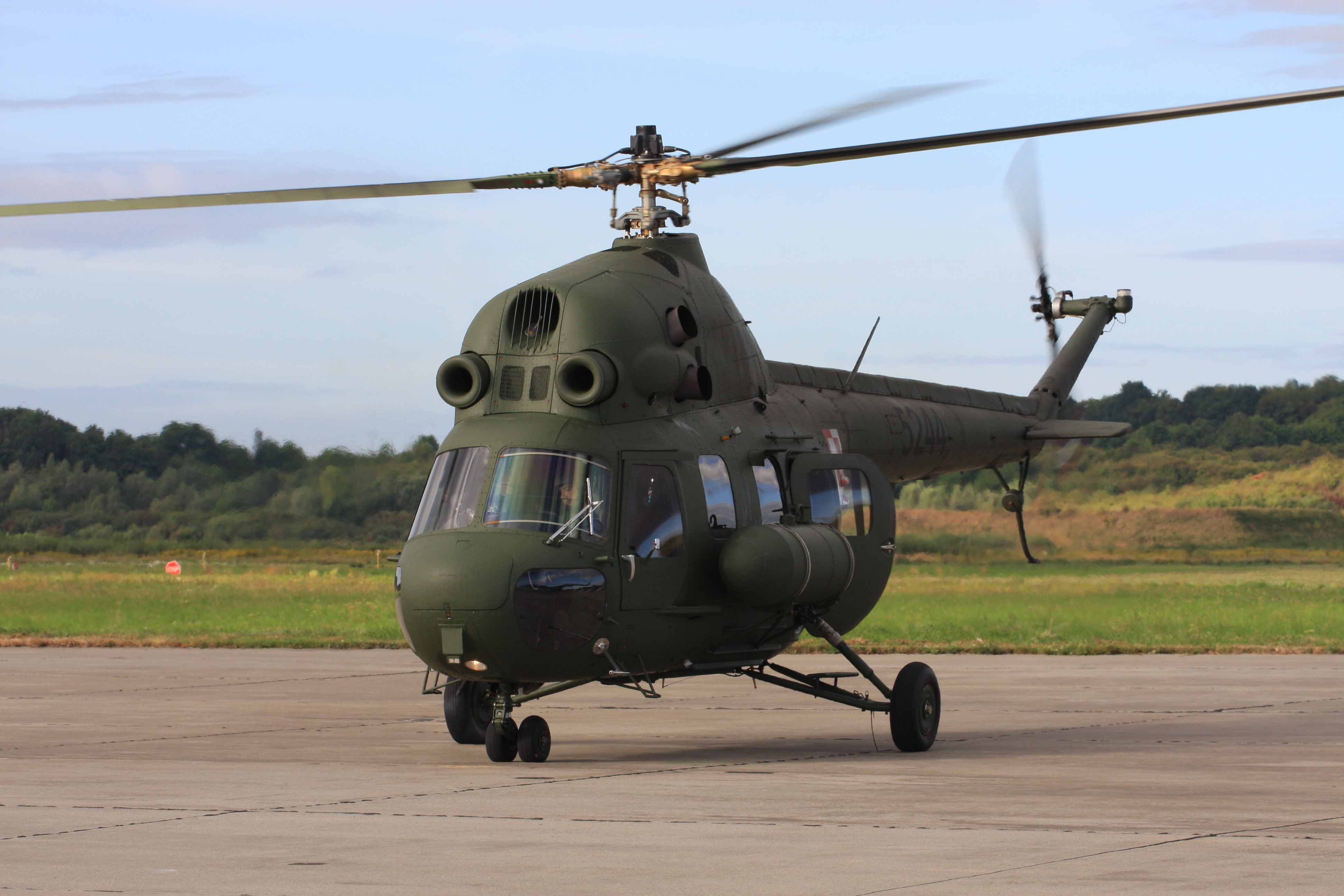
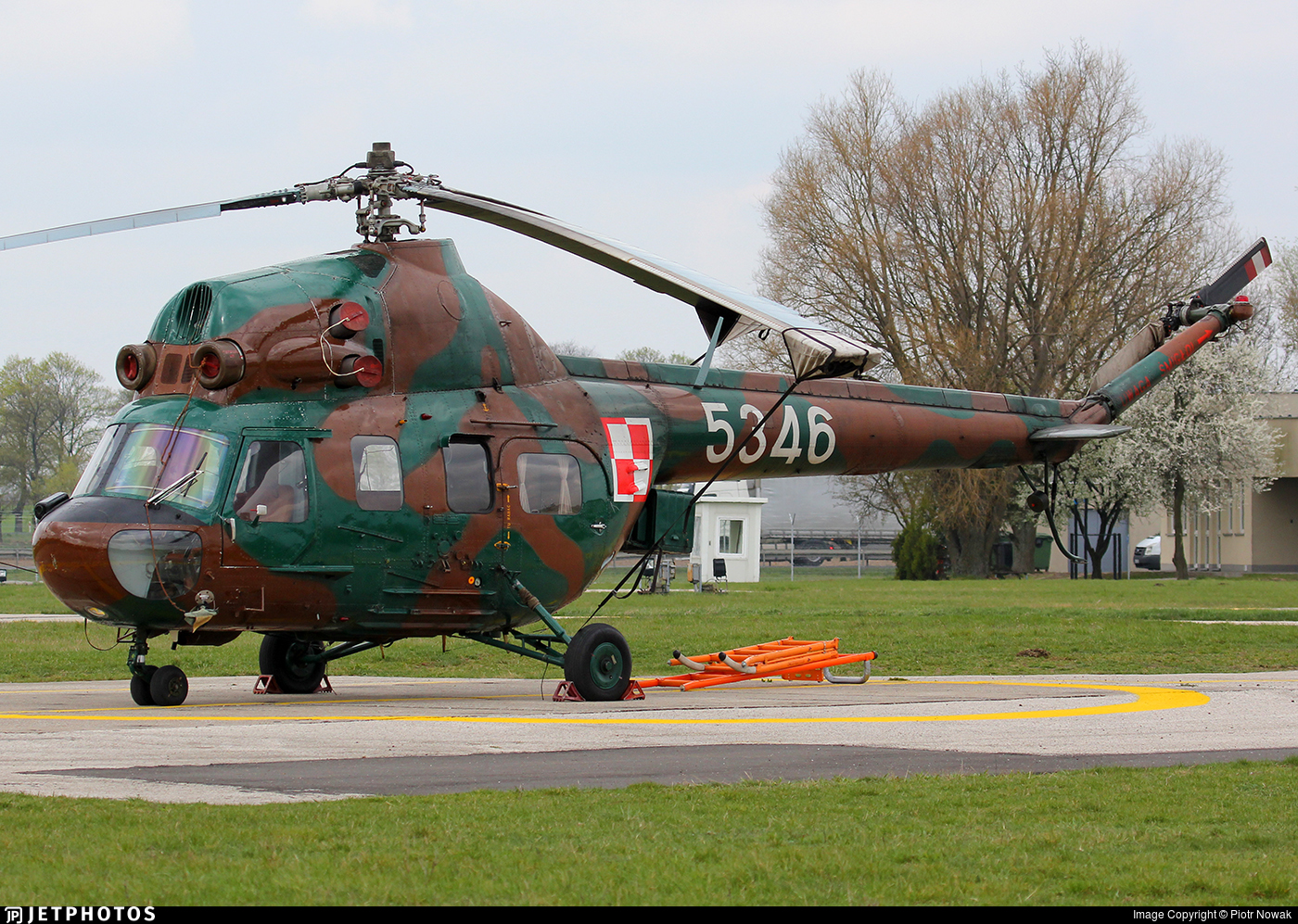

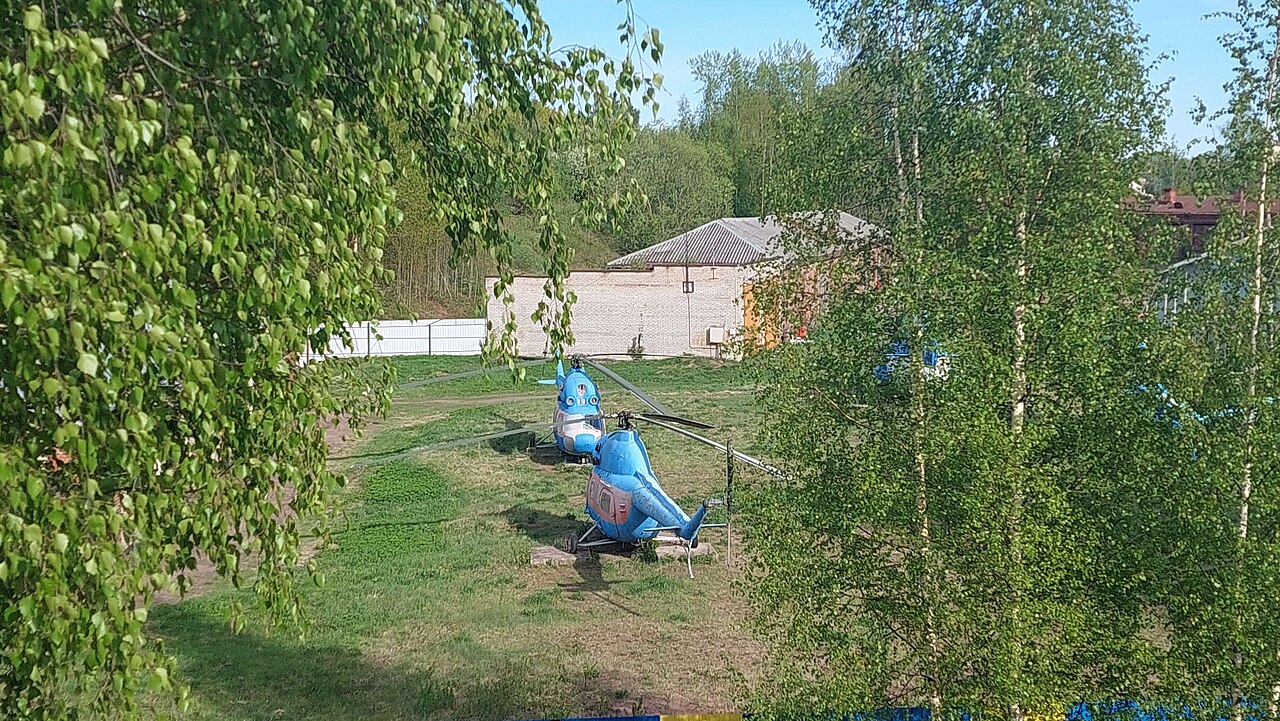
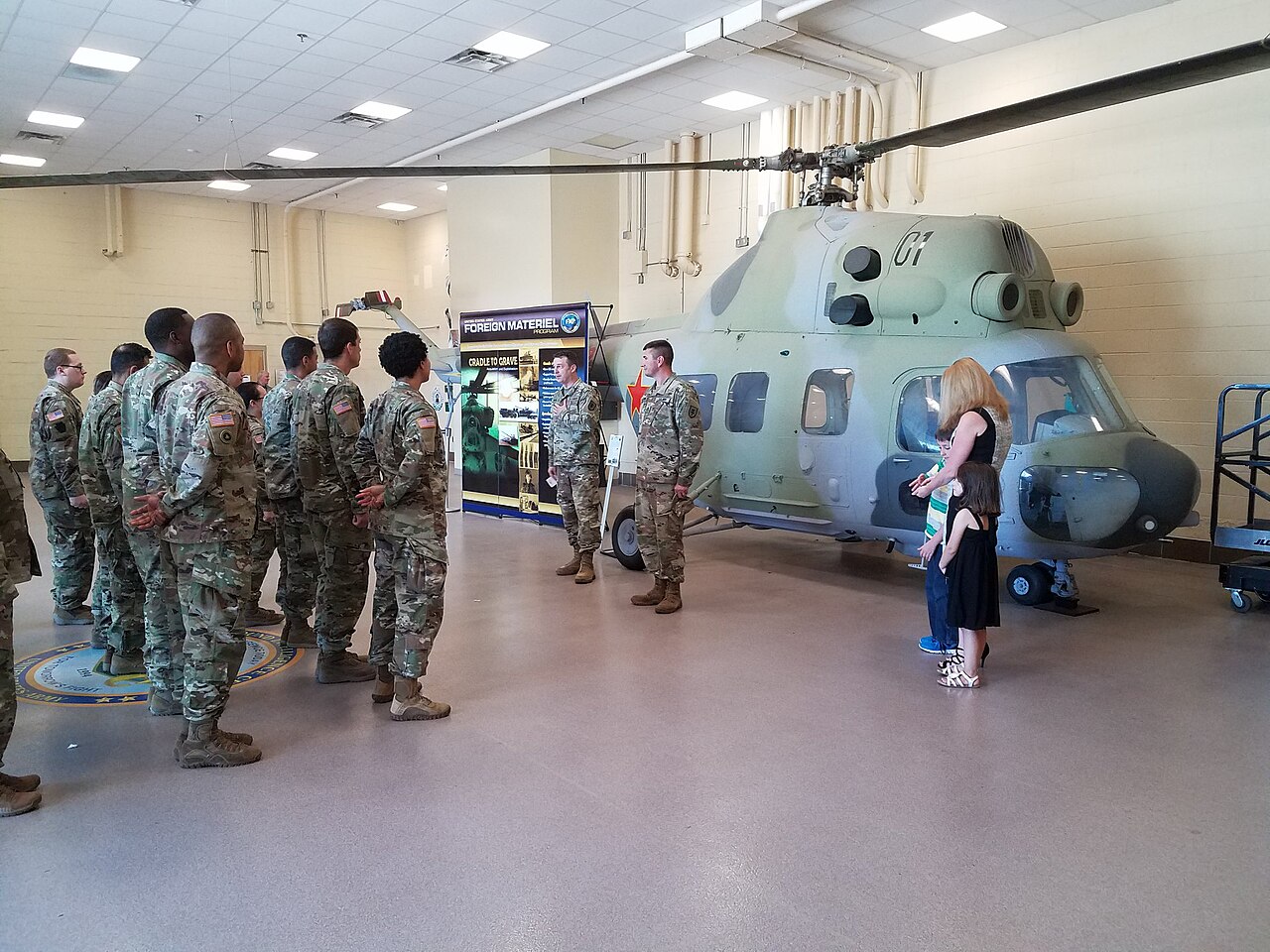
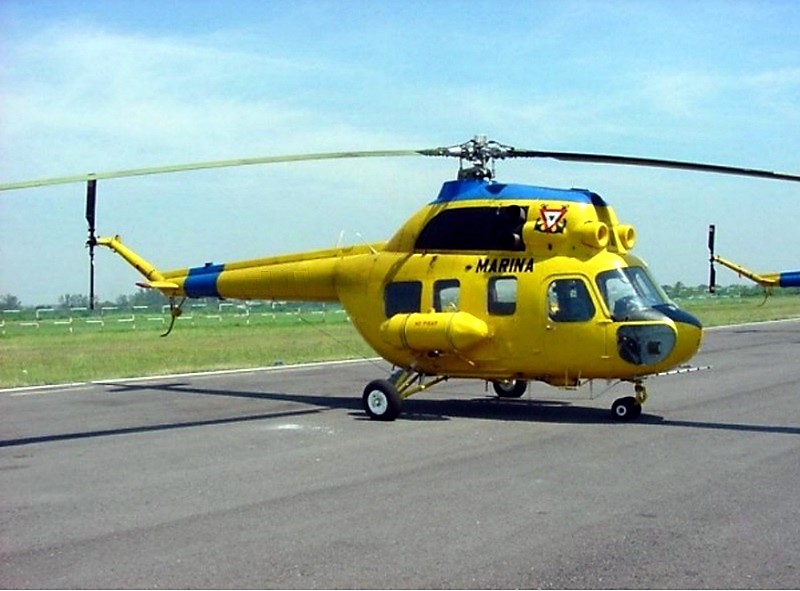
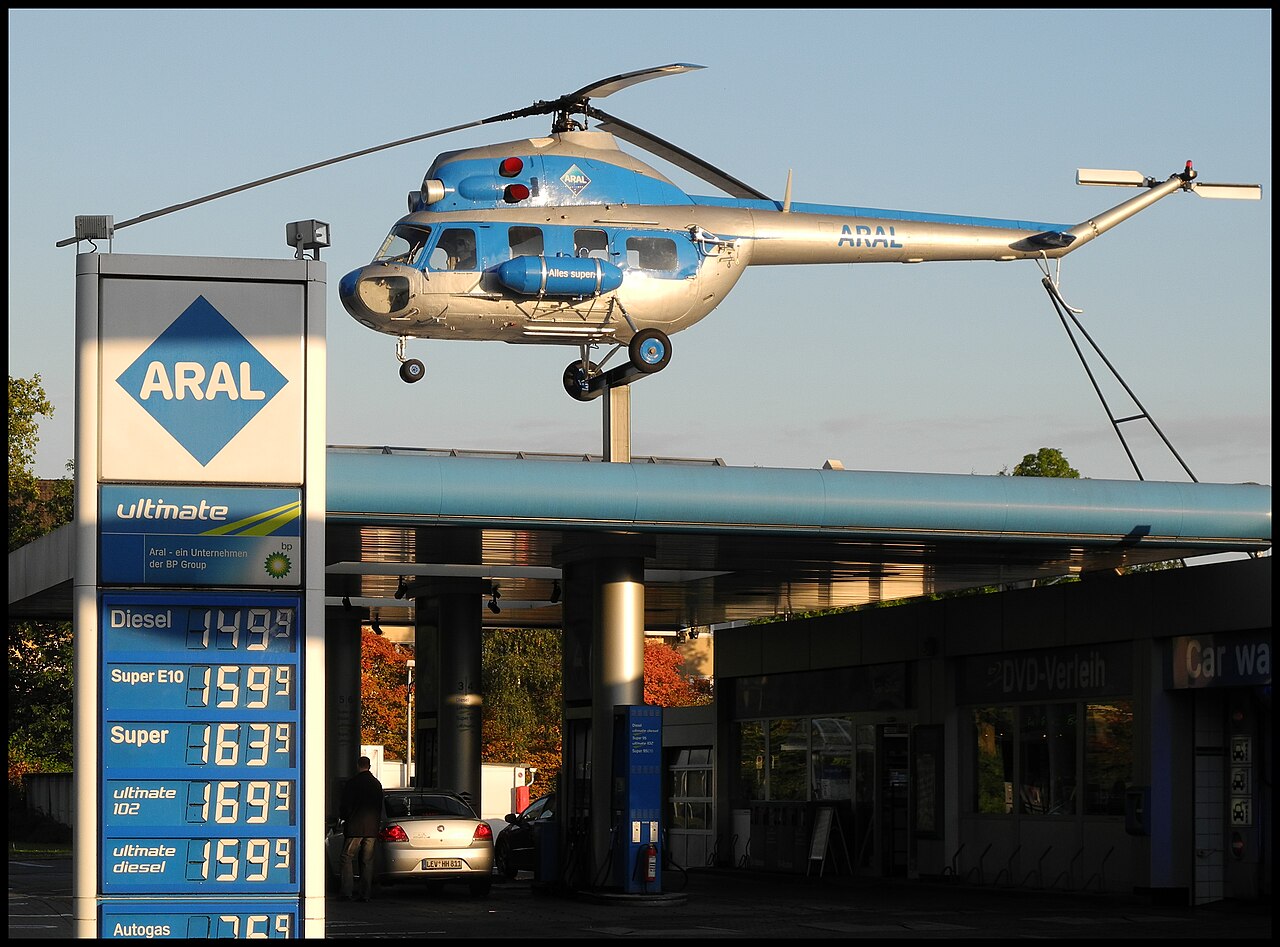
The Mil Mi-2 (NATO reporting name Hoplite) is a small, lightly armed turbine-powered transport helicopter that could also provide close air support when armed with 57 mm rockets and a 23 mm cannon. The MI-2 can conduct reconnaissance, resupply guerrillas, and provide close air support with 57mm rockets. It can also have a smoke generator mounted to provide a wide area smoke screen in front of units, screening their movements. Additional missions include; direct air support, antitank, armed reconnaissance, transport, medevac, airborne command post, minelaying, and training. Although the Mi-2 Hoplite was developed by the Mil bureau in the former Soviet Union, the aircraft was produced exclusively in Poland by the PZL Swidnik aircraft factory. Several thousand of these aircraft were built and they remained in production until 1985. The Hoplite has been one of the most widely produced helicopter designs. The three-blade main rotor is mounted on top of a large hump above the body's midsection. Two turboshaft engines are mounted side-by-side on top of the cabin, forming a hump, with round air intakes above the cockpit and oval exhausts on the sides of the engines. The small, bus-like fuselage with fixed landing gear features a stepped-up cockpit and rounded nose, and a tadpole-shaped body when viewed from the bottom. The tapered tail boom has small, unequally tapered flats and a thin, swept-back fin with a rotor on the right.
Wikidata (https://www.wikidata.org/wiki/Q608997)