ARMSNET
Military Equipment Database
Initializing 0%

Altay T1 Turkish Main Battle Tank

Altay T1
Main Battle Tank (MBT)
Spotted an error? Sign in to suggest an edit.
Basic Information
Name
Altay T1 Turkish Main Battle Tank
Designation
Altay T1
Alternate Designation
Altay T1
Equipment Type
Main Battle Tank (MBT)
Manufacturer
BMC
Date of Introduction
2024
Description

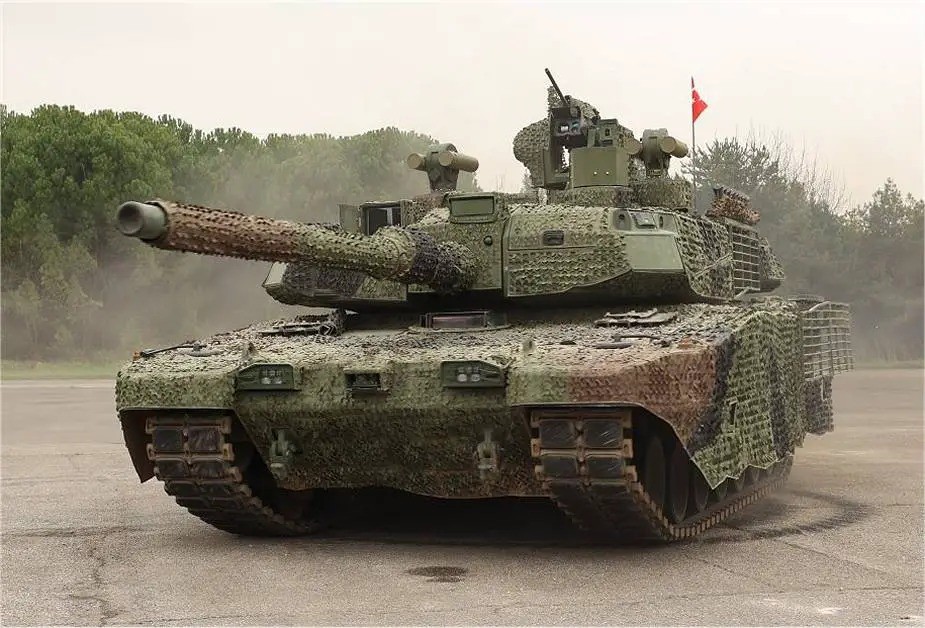
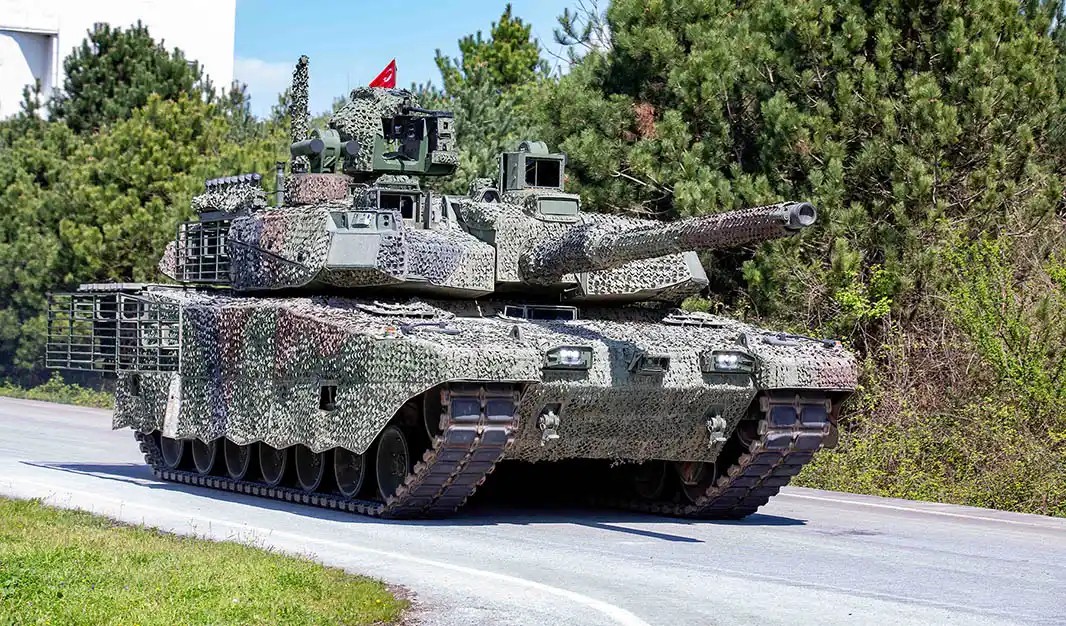
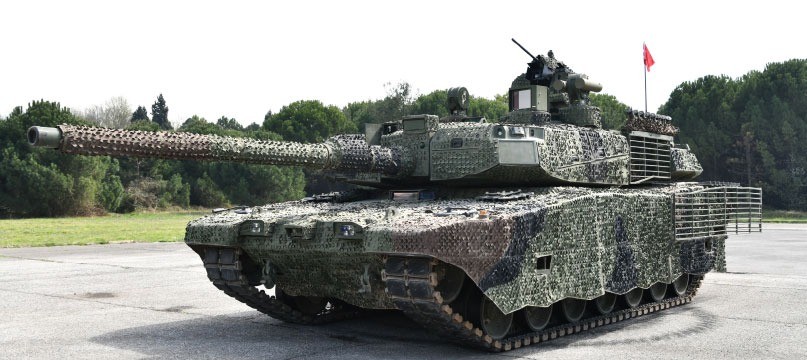
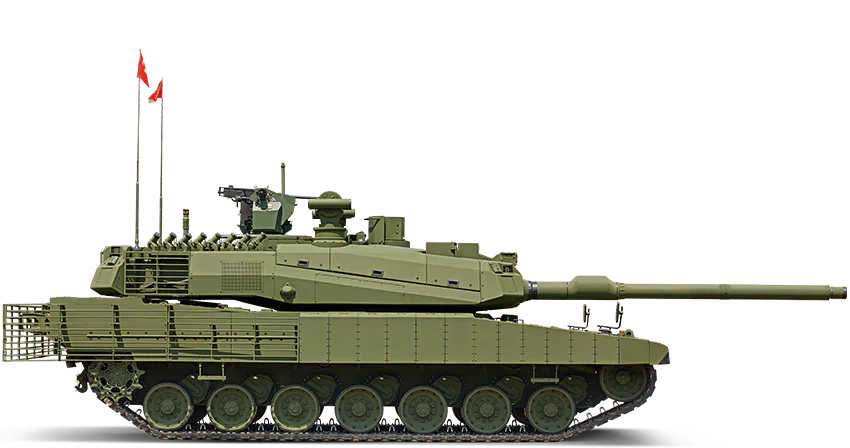
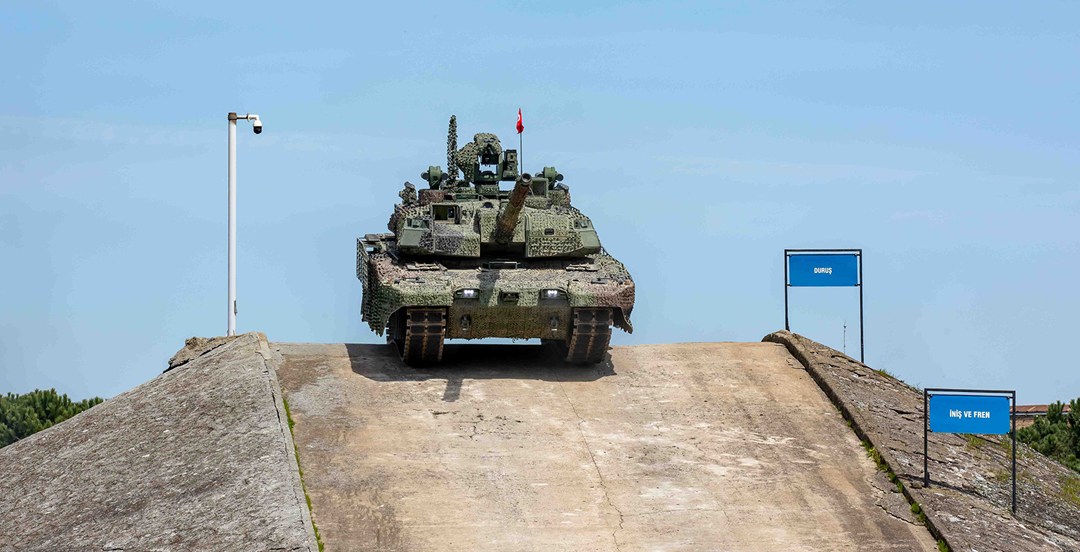
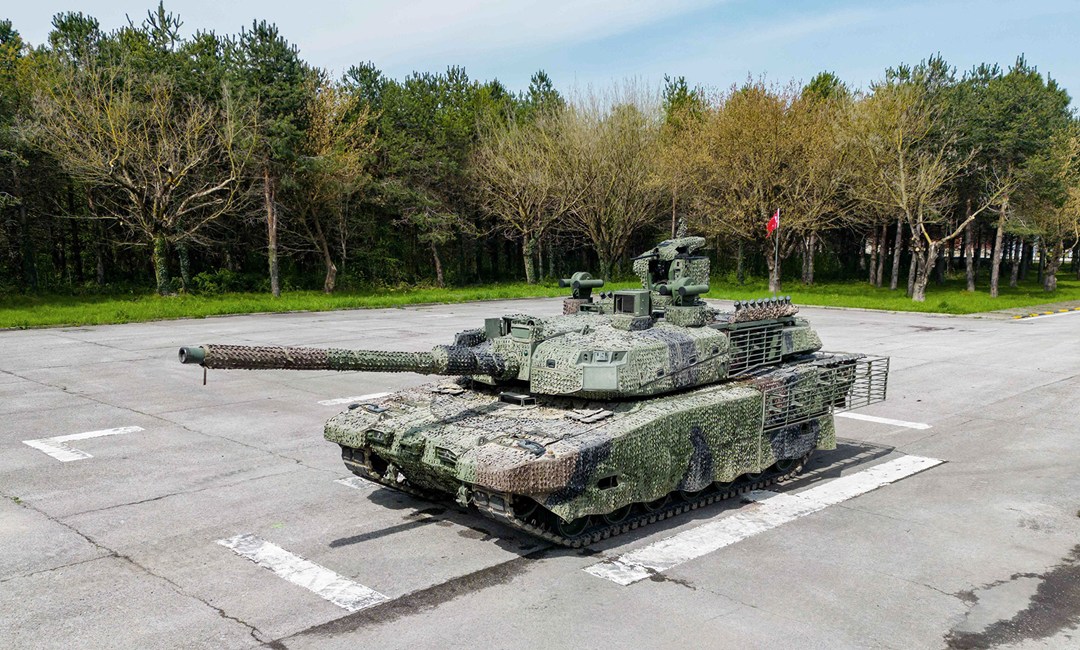
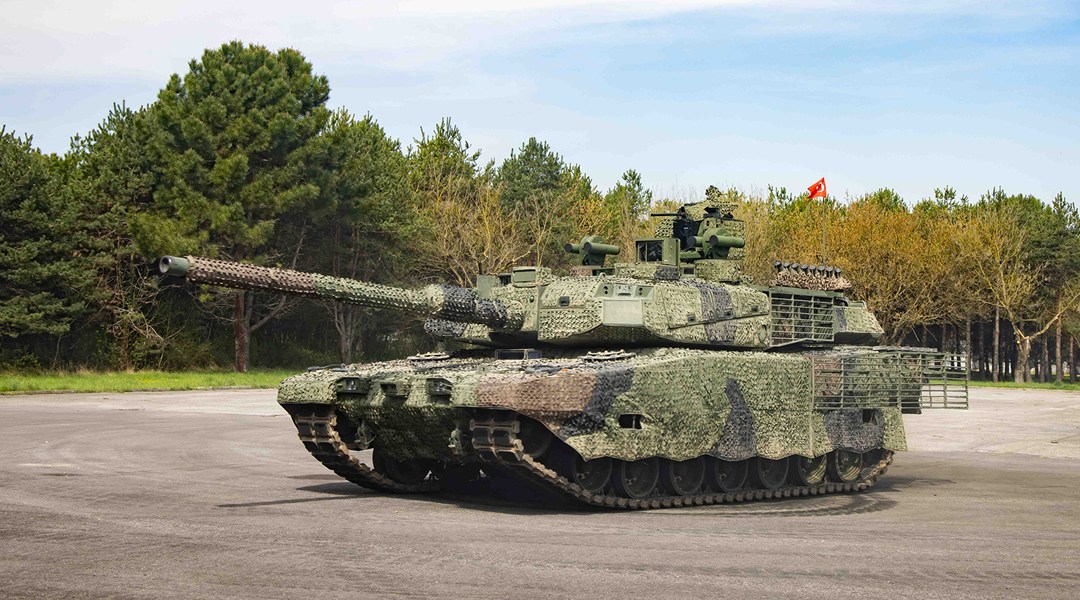
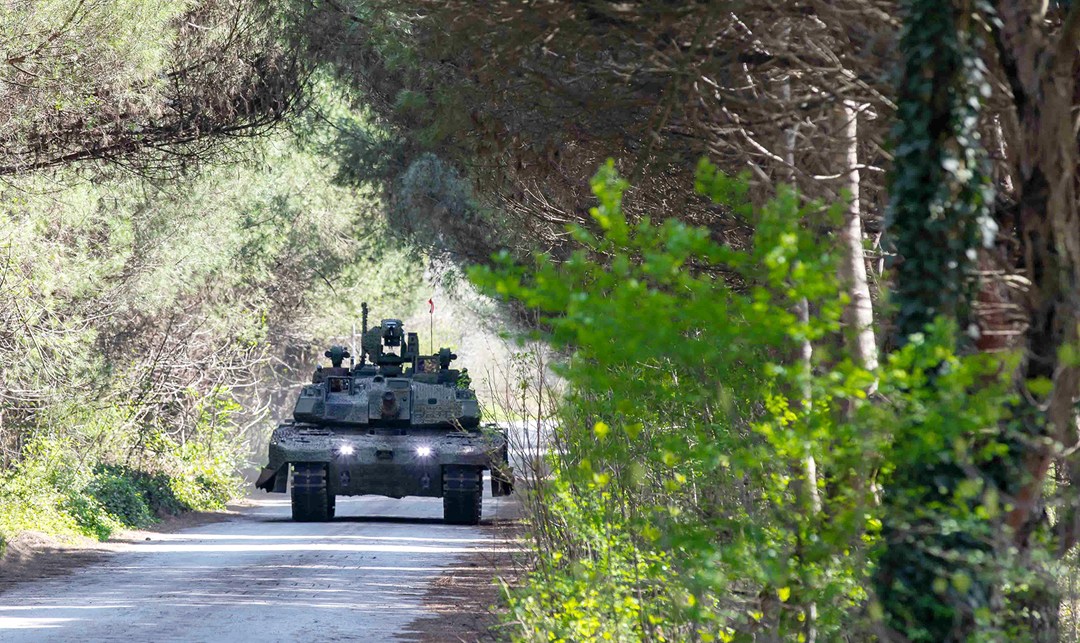
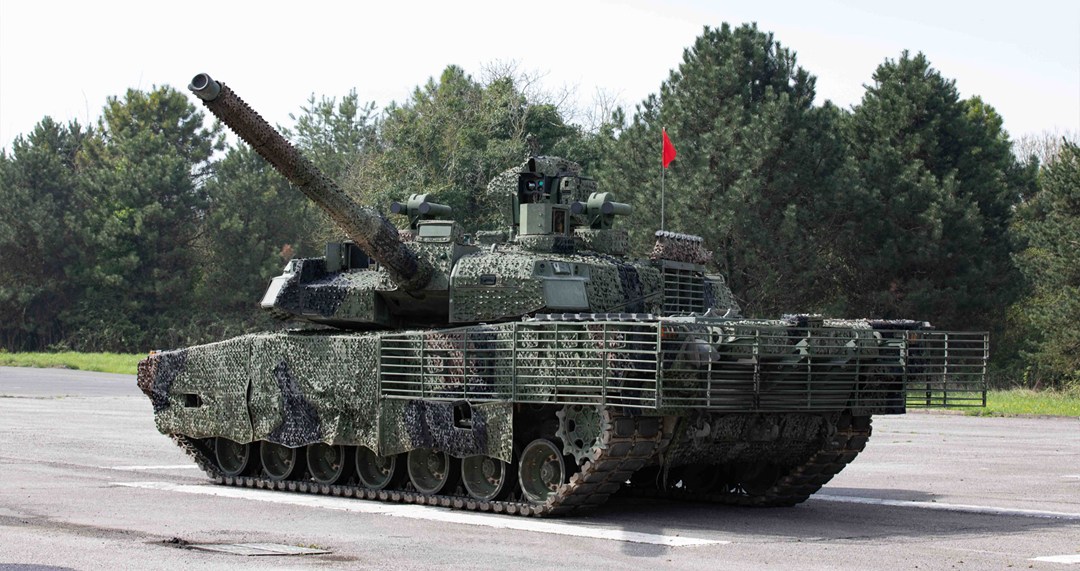
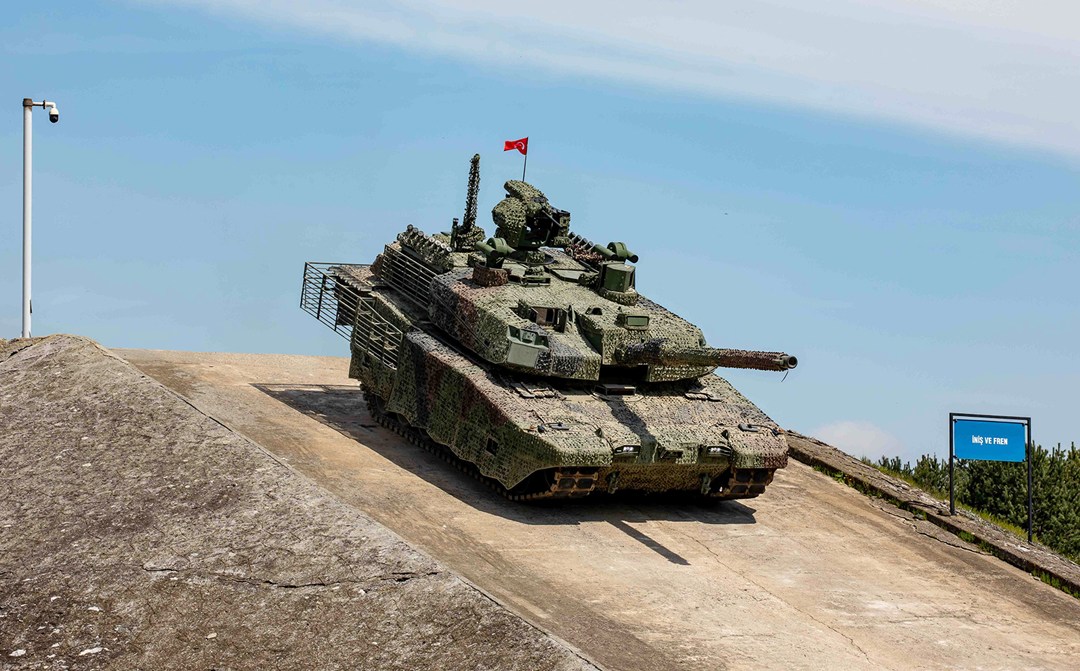
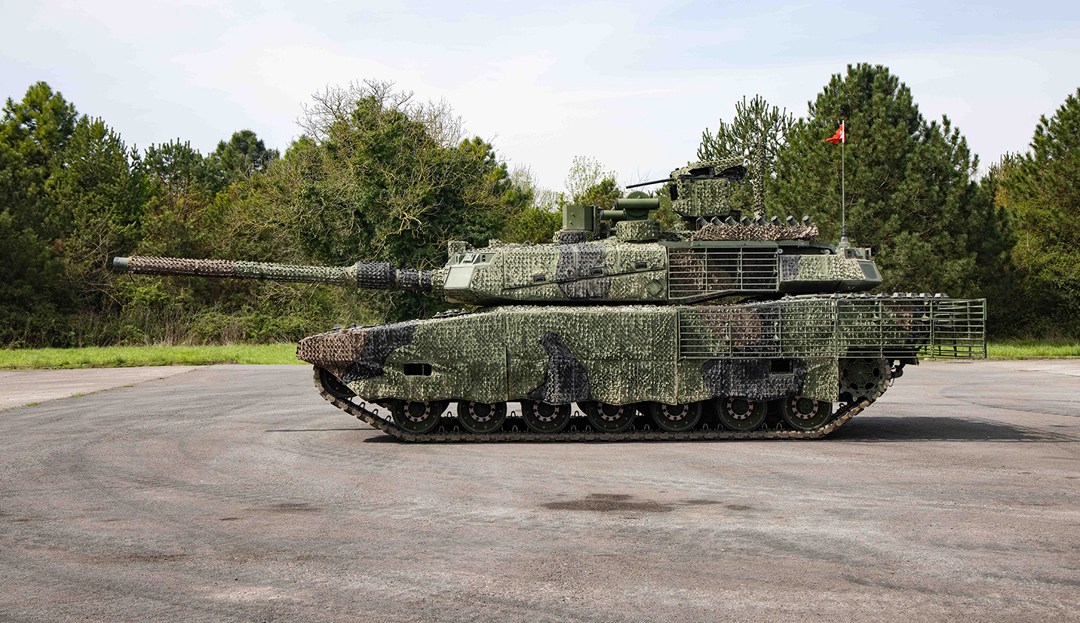
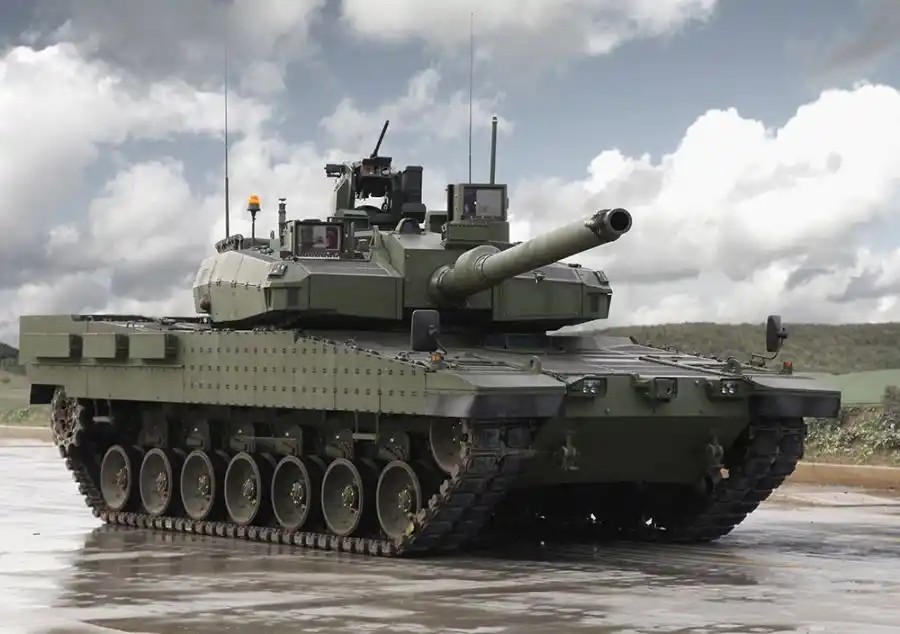
The Altay T1 is the first production-standard version of the Turkish Main Battle Tank (MBT). It features a conventional Western MBT design, with a crewed turret that houses a manually-loaded 120 mm smoothbore main gun positioned centrally on the vehicle, while the powerpack is located at the rear. The Altay T1's design has evolved through several iterations, starting from the initial prototypes made by Otokar to the 'new Altay' that was unveiled by BMC in March 2023. This new Altay T1 will be equipped with a South Korean powerpack, replacing the German powerpack that was proposed for the original prototypes. The tank will also incorporate a greater number of Turkish-manufactured subsystems. In addition, it will feature an active protection system (APS) and enhanced defenses against anti-tank guided missiles (ATGMs) and anti-tank rockets (ATRs). These improvements reflect the lessons learned by the Turkish Land Forces Command (TLFC) during their operations in Syria. The Altay tank boasts a distinctive box-shaped hull that features a shallow glacis and a sharply inclined belly plate, giving it a blunt-nosed appearance. Each side of the tank is outfitted with seven evenly spaced roadwheels, all supported by an advanced hydropneumatics suspension system that enhances mobility over rough terrain. The drive sprocket is strategically located at the rear of the vehicle, while the idler wheel is positioned towards the front. The design includes three return rollers, which are unevenly spaced to optimize track support and performance. To protect its undercarriage, the Altay can be equipped with an optional protective skirt that extends along the length of the hull, stopping just before reaching the tops of the roadwheels and providing additional shielding for the suspension and return rollers from debris and shrapnel. In terms of power, the tank is equipped with a rear-mounted engine that sits centrally under the turret, ensuring a balanced weight distribution. The exhaust system is thoughtfully designed, venting to the rear-left side of the vehicle to minimize heat signature and protect crew members from exhaust fumes. The turret itself presents a sloped front that minimizes the chance of incoming fire, featuring flat sides for structural integrity. At the rear of the turret, a stowage basket is included, which not only increases carrying capacity but also offers potential protection from High-Explosive Anti-Tank (HEAT) projectiles. The main armament of the Altay includes a powerful gun, complete with a thermal sleeve designed to maintain optimal operating temperature and a bore evacuator positioned at the front to enhance firing consistency. Additionally, a co-axial machine gun is mounted on the left side of the main gun, providing a secondary fire option for engaging infantry and light vehicles. Inside the vehicle, the driver is located in the front-middle section of the hull, accessible through a single-piece hatch that allows for swift entry and exit. The turret crew, consisting of the commander, gunner, and loader, operates within a well-designed space that features two separate single-piece hatches, facilitating rapid access and exposure during combat scenarios. Overall, the Altay combines robust design elements with advanced technology to create a formidable presence on the battlefield.

Ground Specifications
Crew 4
Mobility Type Tracked
Main Weapon 120 mm L/55 smoothbore gun
Engine V-12 Turbocharged Diesel (1500 hp)
Active Protection Active protection for the Altay tank is provided by the Aselsan Akkor hard- and soft-kill system. The various components of the Akkor Active Protection System (APS) are managed by a centralized control unit and displayed on an internal screen. The soft-kill element features four Aselsan Tank Laser Warning Systems (Tank Lazer Uyarı Sistemi; TLUS) laser warning receivers, which are mounted on the four corners of the turret. These receivers are connected to a total of 16 smoke dischargers, arranged in two rows of eight—one row on the rear right of the turret and the other on the rear left. The hard-kill component includes four radar units positioned below the TLUS panels at each corner of the turret, providing 360-degree coverage. These radar units detect and track incoming threats, which are then intercepted using unguided "smart" munitions launched from two twin-cell trainable launchers mounted on either side of the turret roof.
NBC Protection Yes
Max Speed 65.0 km/h
Range 450.0 km
Variants
Altay T2 The Altay T2 is the second production version of the Altay tank. While it will maintain the conventional layout of the Altay T1, it will feature upgraded armor and an isolated magazine for the main gun ammunition to enhance survivability. Additionally, the Altay T2 will be equipped with the capability to fire laser-guided projectiles from its main gun, as well as an integrated crew training system and a mobile command network.
Altay T3 The Altay T3 is the third iteration of the Altay MBT series. Unlike its predecessors, it will have an unmanned turret with a bustle-mounted autoloader. This will reduce the crew complement and increase the platform's survivability.
System
Alternative Designation Altay T1
Type Main Battle Tank
Manufacturer BMC
Crew 4 (Tank Commander, Gunner, Loader, Driver)
Dimensions
Length 10.915 m
Width 3.644 m
Height 3.476 m
Weight, Combat 70 tons
Automotive
Engine Name Doosan Group DV27K
Engine Type Twin-turbocharged intercooled V12 diesel
Engine Power 1,500 hp at 2,700 rpm
Transmission S&T Dynamics EST15K automatic transmission. The EST15K automatic transmission has a single-stage, three-element torque converter with six forward and three reverse gears.
Steering Steering is infinitely variable via a hydrostatic-hydrodynamic superimposed steering system.
Amphibious No
Maximum Range 450-500 km
Maximum On-Road Speed 65 km/h
Maximum Off-Road Speed 45 km/h
Reverse Speed 31 km/h
Gradient 60%
Side Slope 30%
Fording 4.0 m
Braking Braking is controlled through a hybrid system consisting of a retarder combined with a mechanical disc brake.
Main Weapon System
Note The Altay tank is equipped with a 120 mm L/55 smoothbore gun developed by MKEK. It has an estimated capacity of carrying 44 rounds of 120 mm ammunition. This gun can fire all types of NATO STANAG 4385 ammunition, including the DM 53, which is effective at ranges of up to 3,000 meters and has an accuracy of within 0.2 mils. Additionally, it can be adapted to fire guided missiles, such as the Konus system from Ukraine. The origins of the gun are somewhat unclear, as Turkey has previously sought technology from Israel's MG253 120 mm smoothbore to enhance its M60 tanks. However, it is known that Hyundai Rotem contributed 50% of the total technology for the Altay, suggesting that the gun may be based on the K2 tank's cannon. The design features a fume extractor integrated into the turret and a thermal jacket to cool the weapon. The gun will be locally produced by MKEK.
Coaxial Weapon System
Note In addition to the main gun, the vehicle is equipped with a 7.62 mm co-axial machine gun (MG) mounted to the left of the main gun. It also features a remotely operated weapons system (ROWS) fixed to the roof. The ROWS displayed on the Altay so far is the SARP from Aselsan, which can be armed with a 7.62 mm or 12.7 mm machine gun, or a 40 mm automatic grenade launcher (AGL), with capacities of 1,000, 400, and 96 rounds of ammunition, respectively. The SARP is designed for operation from within armored protection. Its traverse speeds match or exceed those of the Altay's turret, and the weapon can elevate vertically up to 60°, providing effective close-range defense in urban environments.
Fire Control System
Note Each member of the crew has access to the Battle Management System (BMS), which is believed to be the main battle tank (MBT) variant of the BATUR system developed by Aselsan. In Turkish, the system is referred to as Tank Komuta Kontrol Muhabere ve Bilgi Sistemi (TKKMBS). It integrates data from the fire control system (FCS), navigation system, and sighting systems with information provided by other platform sensors. Every crew position is equipped with a liquid crystal display (LCD) screen that provides access to the BMS. TKKMBS delivers command-and-control functionality, a common tactical picture, and decision aids up to the battalion level. It automatically distributes locational information from friendly-force tracking and other battlefield information across the BATUR network. Collaborative planning and the preparation of orders and overlays are facilitated using digital maps and Geographic Information System (GIS) tools, allowing graphical results to be transmitted across the network alongside reports and messages. The operational and logistical status is automatically maintained, enabling command-and-control (C2) elements to plan for resupply and repairs in anticipation of the Altay's movements. The crew communicates using the Aselsan digital communications suite.
Protection
Hull Armor The hull and turret of the Altay tank are constructed from rolled homogeneous steel, which is supplemented with composite armor to protect against ballistic threats. Roketsan was subcontracted to develop this armor system, ensuring it is modular and adaptable, with elements designed for future upgrades. The armor is believed to consist of a ceramic composite, backed with S2 glass polymers and reinforced with aramid fabric, which helps capture the energy from projectiles that are shattered by the ceramic plates.
Turret Armor Given the perceived increase in threats from top-attack anti-tank guided missiles (ATGMs), it is reported that the turret roof armor of the new Altay has been designed to address these concerns. However, BMC has not disclosed specific details regarding the measures implemented for this protection. Additionally, the turret roof of the new Altay does not seem to differ significantly from that of earlier versions of the vehicle.
Applique Armor Available
Explosive Reactive Armor Roketsan has developed an explosive reactive armor (ERA) system to protect the Altay from chemical energy threats. This system minimizes collateral damage and is designed for easy removal or addition. The rear and rear sides of both the hull and turret are covered with statistical bar armor.
Active Protection System Active protection for the Altay tank is provided by the Aselsan Akkor hard- and soft-kill system. The various components of the Akkor Active Protection System (APS) are managed by a centralized control unit and displayed on an internal screen. The soft-kill element features four Aselsan Tank Laser Warning Systems (Tank Lazer Uyarı Sistemi; TLUS) laser warning receivers, which are mounted on the four corners of the turret. These receivers are connected to a total of 16 smoke dischargers, arranged in two rows of eight—one row on the rear right of the turret and the other on the rear left. The hard-kill component includes four radar units positioned below the TLUS panels at each corner of the turret, providing 360-degree coverage. These radar units detect and track incoming threats, which are then intercepted using unguided "smart" munitions launched from two twin-cell trainable launchers mounted on either side of the turret roof.
Camouflage System The new Altay, developed by BMC, can be equipped with a TDU Defense Systems Mobile Camouflage System (TM-MCS). This camouflage netting is designed to decrease the likelihood of the vehicle being detected by reconnaissance and surveillance sensors. According to TDU Defense Systems, the system impedes detection by sensors that operate in the visual spectrum, near infrared (IR), as well as thermal sensors in the short-wave infrared (SWIR) spectrum (wavelengths between 3 and 5 µm) and long-wave infrared (LWIR) spectrum (wavelengths between 8 and 12 µm). It is also said to provide concealment against radar detection from systems functioning at frequencies between 2 and 100 GHz. The camouflage system comes in various colors to match different environments and features a modular design for quick adaptability.
NBC Protection Yes
Smoke Equipment Yes
Details
Country of Origin Turkey
Category Tanks
Land > Tanks
Filter Label
A
Classification
Domain
Ground
Equipment Status
Active
Dimensions
Length
10.92 m
Width
3.64 m
Height
3.48 m
Weight
70000 kg
Operators (1)
Turkey
Something went wrong. Please reload the page. Reload