HQ-29 Chinese Mobile Interceptor Missile System
HQ-29

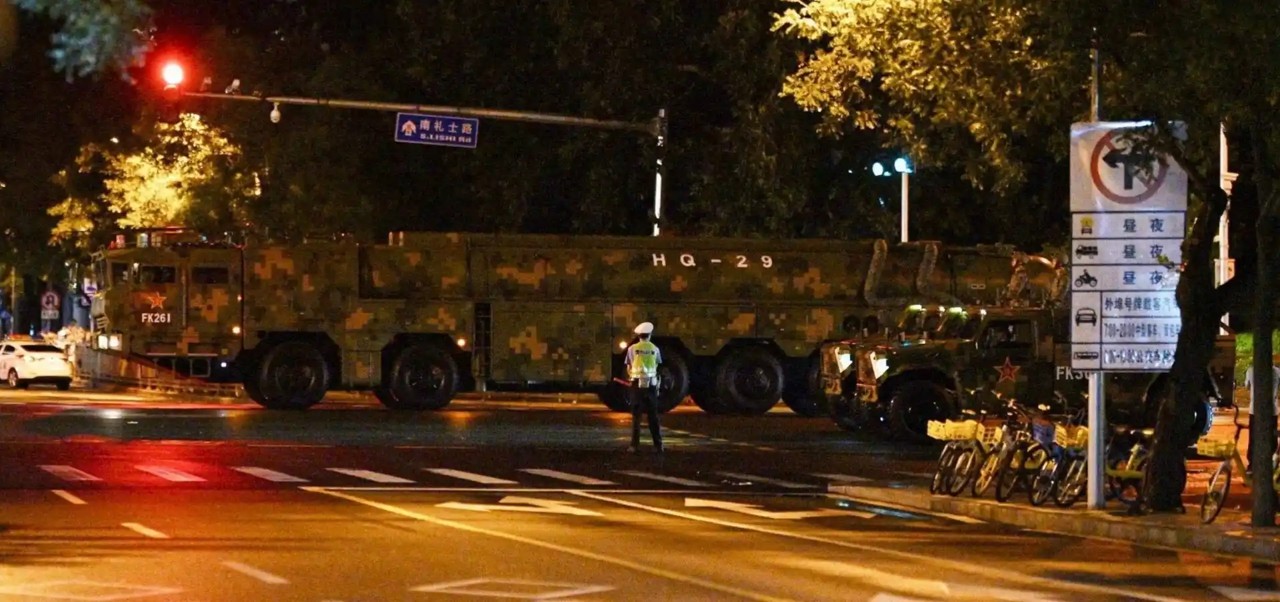
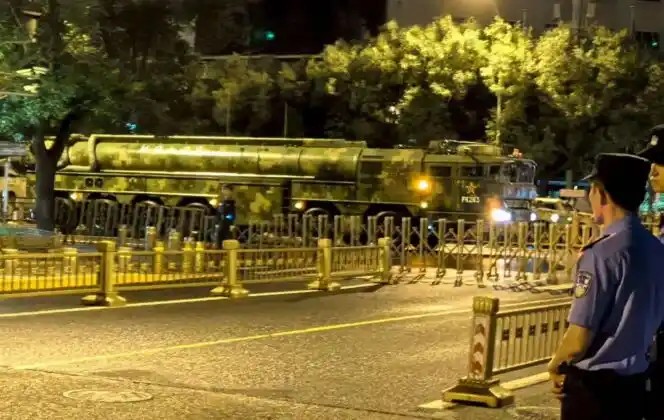
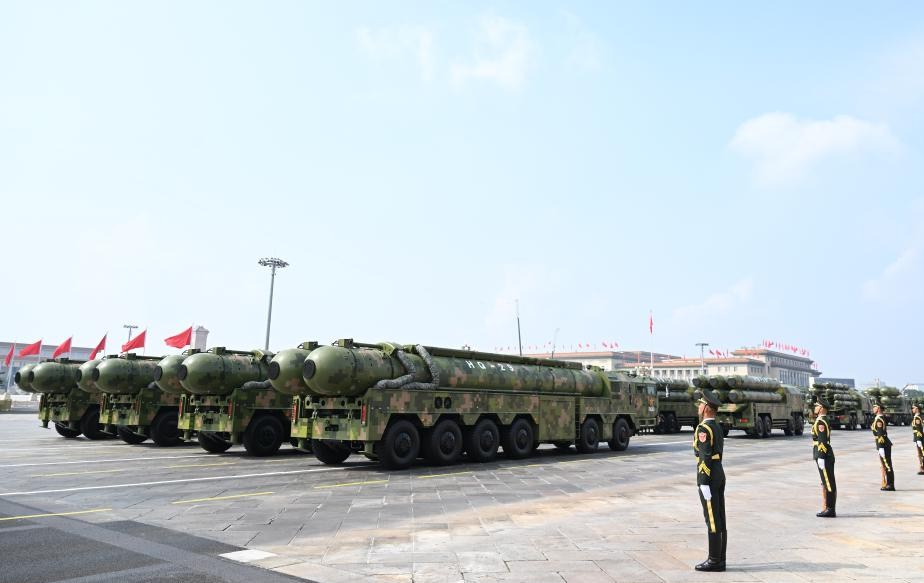
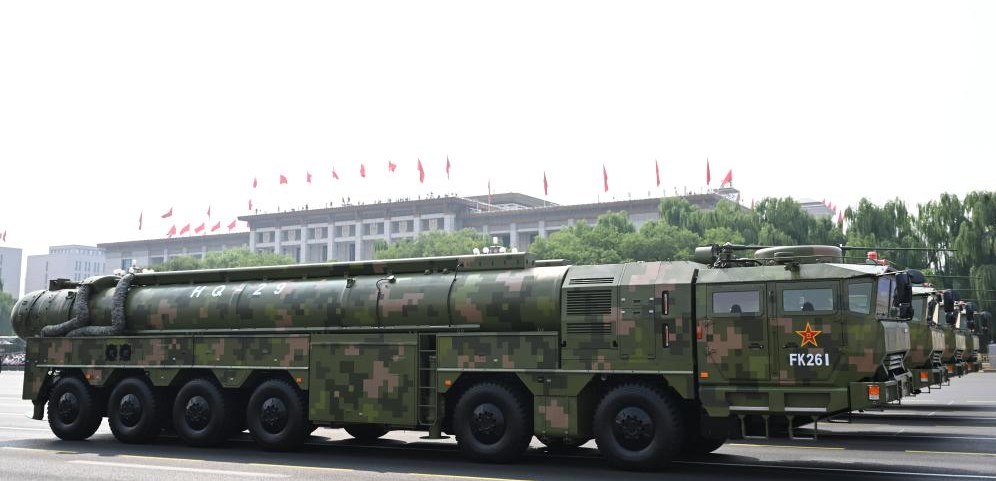
The HQ-29 Chinese Interceptor Missile System is designed to provide multiple layers of strategic and theater defense. It is optimized for intercepting short- to intermediate-range ballistic missiles (SRBMs and IRBMs) during their midcourse phase, well beyond the atmosphere. This capability makes it particularly valuable in regional missile defense operations, especially given the increasing threat of conventional or nuclear-tipped ballistic missiles. The system can work in conjunction with early-warning radar networks and space-based sensors, enabling it to engage targets identified by over-the-horizon surveillance systems. The HQ-29 can defend important infrastructure, forward-deployed People’s Liberation Army (PLA) assets, and high-value military and industrial zones. Additionally, it serves as a deterrent, showcasing China's ability to counter enemy missile strikes or low-orbit satellite reconnaissance. Its dual capability as both a missile interceptor and a potential anti-satellite (ASAT) platform significantly strengthens China's strategic position in potential high-intensity conflicts, including those that may extend into space. The system’s mobility allows for rapid deployment across China and beyond, depending on geopolitical needs. It is believed to be integrated into China's Integrated Air and Missile Defense (IAMD) architecture, receiving data through fiber-optic or satellite links from strategic command centers and long-range tracking systems, such as the JY-27A and SLC-7 radar arrays.
deagel.com: https://www.deagel.com/x/x/a004632 deagel.com: https://www.deagel.com/x/x/a004660