Carl Gustaf M3 MAAWS Swedish 84mm Man-Portable Anti-Tank Recoilless Rifle
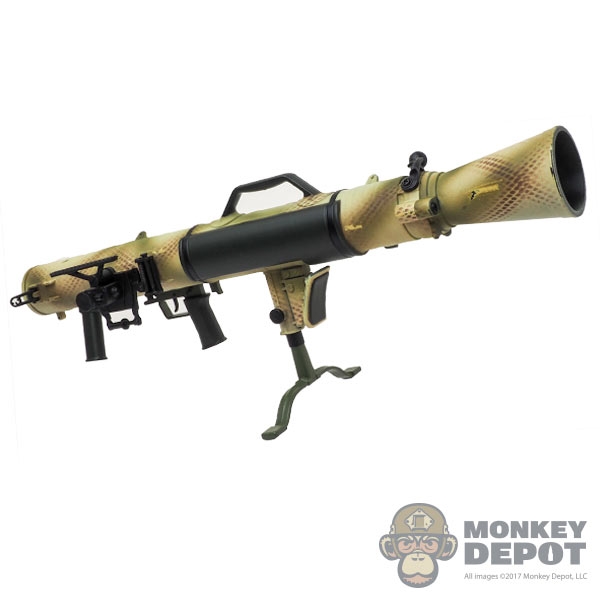
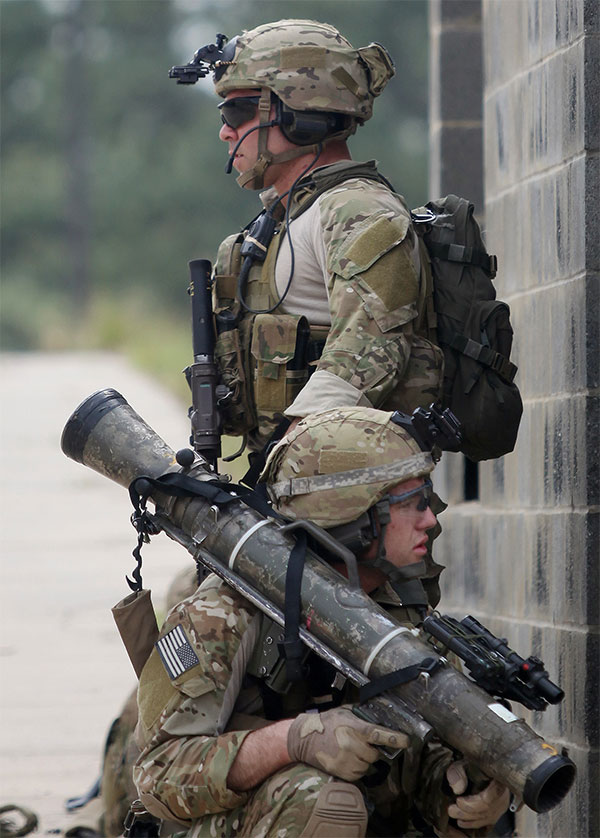
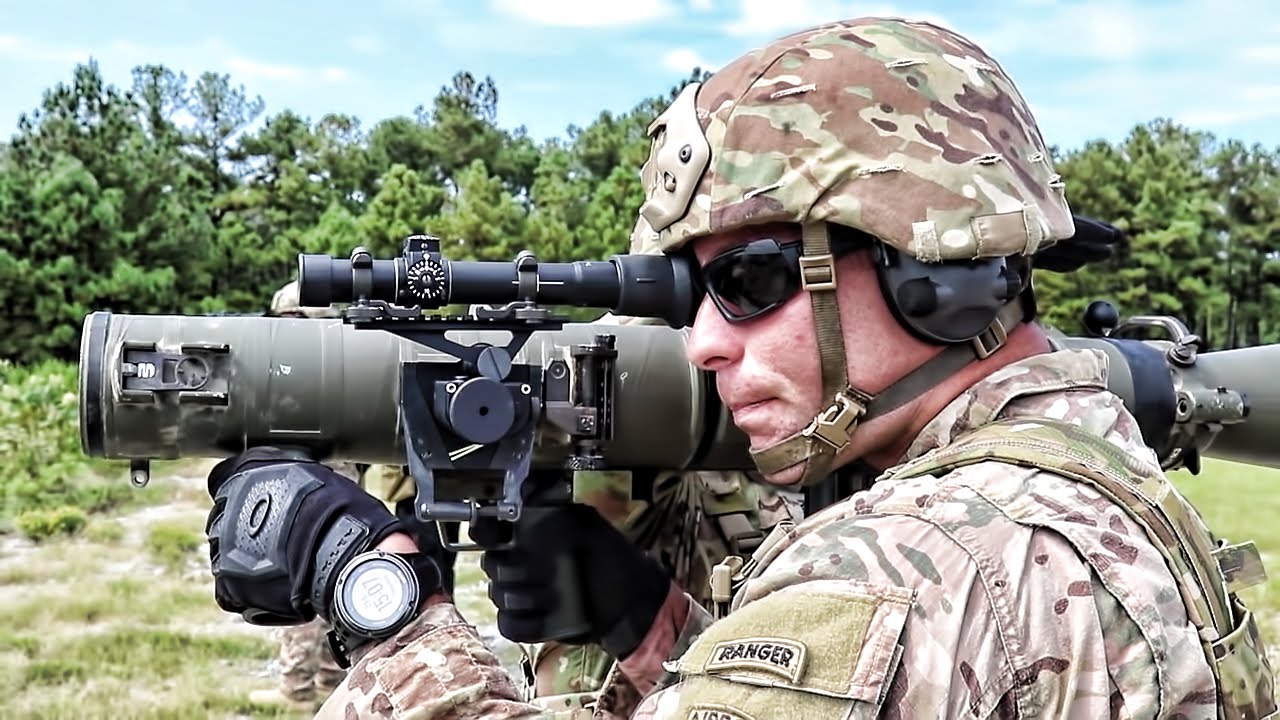
The M3 Multi-role Anti-armor Anti-tank Weapon System (MAAWS) is the U.S. military designation for the Carl Gustaf M3 recoilless rifle. It is primarily used by United States Special Operations Command such as the Army Rangers, Army Special Forces, Marine Raiders, Navy SEALs, and JSOC operators. When used by the U.S. Army's 75th Ranger Regiment, the M3 is known as the Ranger Anti-tank Weapons System (RAWS). In the late 1980s, the Special Operations Forces Modernization Action Plan indicated need for a Ranger Anti-Armor/Anti-Personnel Weapon System (RAAWS) to replace the M67 recoilless rifle in use by the 75th Ranger Regiment. A market survey in 1987 indicated that the Carl Gustaf M3 was the best candidate for satisfying RAAWS requirements. On 29 September 1988, the M3 was selected as the RAAWS from candidate proposals submitted in response to the market survey compiled by ARDEC. A subsequent review of the contractor-supplied fatigue test data determined that the data did not meet U.S. Army requirements. Benét Laboratories conducted fatigue test of two tubes to establish an interim safe service life for the weapon. Tests were conducted in 1993. The manufacturer’s recommended life for the weapon was 500 rounds, but bore surfaces showed no indications of erosion until 2,360 rounds. The U.S. Navy SEALs became interested in the program and moved it to a Joint Integrated Product Team. The program name subsequently changed from the RAAWS to the Multi-Role Anti-Armor Anti-Personnel Weapon System (MAAWS). Army Rangers found the M3 was best employed using a two-man team. One person would carry the launcher and be armed with a pistol for personal protection, and the other would carry 5–6 rounds of ammunition and act as a spotter for the gunner. Although the single-shot AT-4 is lighter and can be carried by one person, a Gustaf team with the heavier recoilless rifle can reload and fire more rounds. The M3 MAAWS fires the following ammunition: High Explosive Dual Purpose (HEDP) round High Explosive Anti-Tank (HEAT) round High Explosive (HE) round Illumination round Smoke round High Explosive Anti-Tank - Rocket Assisted Projectile (HEAT-RAP/551) In late 2012, the Army fielded 58 M3s and 1,500 rounds of ammunition to units deployed to Afghanistan to destroy enemy targets out to 1,000 meters. This was because RPG and machine gun teams could attack 900 meters away, while existing weaponry such as the M141 Bunker Defeat Munition, M72 LAW, M136 AT-4, and MK153 SMAW have effective ranges of only 500 meters. The AT-4 is lighter and cheaper but is made of reinforced fiberglass, while the M3's rifled metal/carbon fiber launch tube allows for reloading. Employing the 22 lb M3 is easier than the 50 lb FGM-148 Javelin with its launcher with missile and reusable command launch unit, is faster than waiting on mortars, and is cheaper than the Javelin and artillery shells for engaging targets in hard cover. Although Special Operations forces had been using the M3 since the early 1990s, light infantry unit commanders in Afghanistan had to submit operational needs statements to get the weapon. The M3 became an official program of record in the conventional Army in 2014, and a conditional materiel release was authorized in late 2015 to equip all brigade combat teams with one M3 launcher per infantry platoon.