PHASA-35 British Unmanned Aerial Vehicle (UAV)
PHASA-35


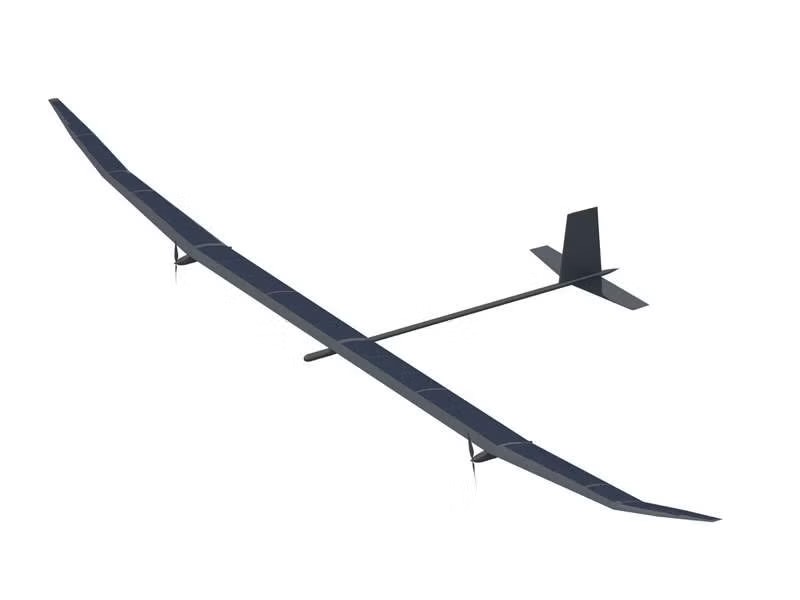

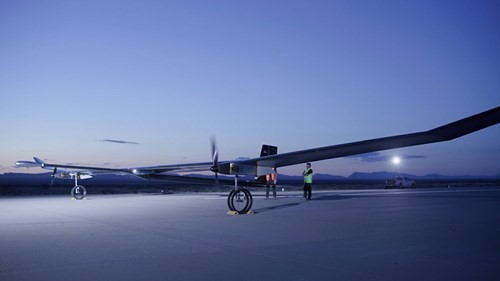

The PHASA-35 British Unmanned Aerial Vehicle (UAV) features a flexible payload system that can accommodate up to 15 kilograms (33 pounds) of equipment. The payload is housed in a dedicated pod that operates independently from the aircraft's other systems, allowing for easy integration and updates. This design ensures that the UAV can be quickly reconfigured for different missions without requiring extensive modifications. With a wingspan of 35 meters and a weight of approximately 150 kilograms (330 pounds), the PHASA-35 is constructed from advanced composites, contributing to its lightweight and efficient design. The UAV is capable of operating in the stratosphere at altitudes around 65,000 feet (approximately 20 kilometers). This altitude allows it to fly above conventional air traffic and weather systems, providing a stable platform for various payload capabilities. Equipped with ultra-lightweight solar cells and high-energy-density battery technology, the PHASA-35 harnesses solar energy during daylight hours to power its flight and recharge its batteries for nighttime operation. This design enables the platform to remain airborne over a particular area for several months at a time without incurring running costs. Thanks to its all-electric powertrain and the ability to utilize solar power, the PHASA-35 significantly reduces operational costs and its carbon footprint while offering considerable advantages over traditional aircraft and satellites. It is intended for various applications, including Intelligence, Surveillance, and Reconnaissance (ISR), disaster relief efforts, border protection, and providing communication networks such as 4G and 5G to remote or under-connected regions. Its ability to cruise over specific areas for extended periods makes it a cost-effective alternative to traditional satellites and aircraft.