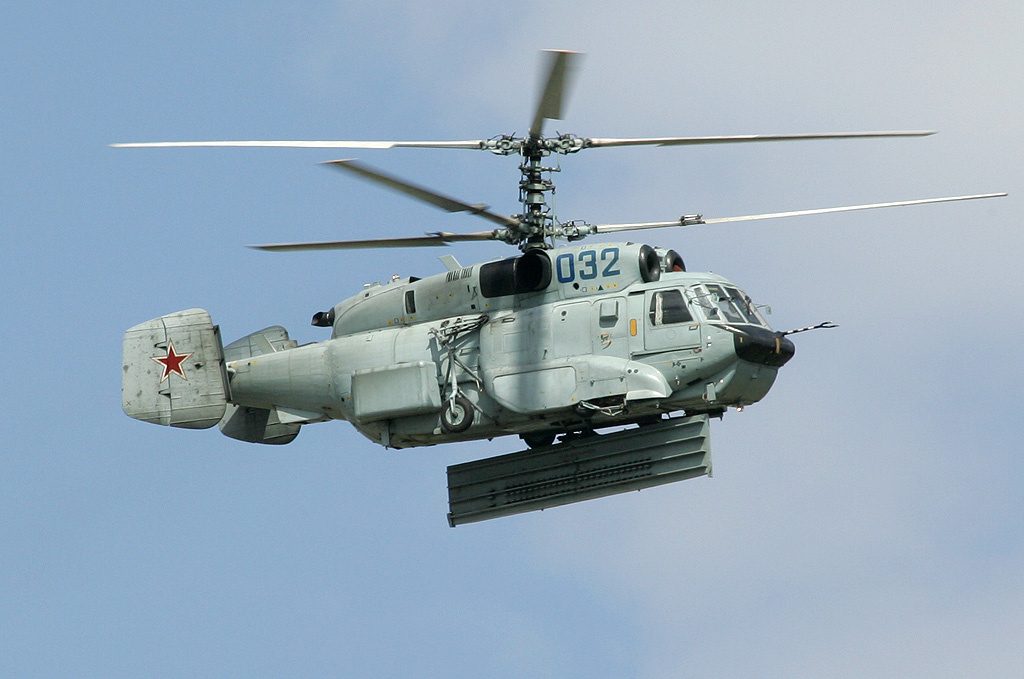
Ka-27 (Helix) Russian Anti-Submarine Helicopter
Kamov Ka-27
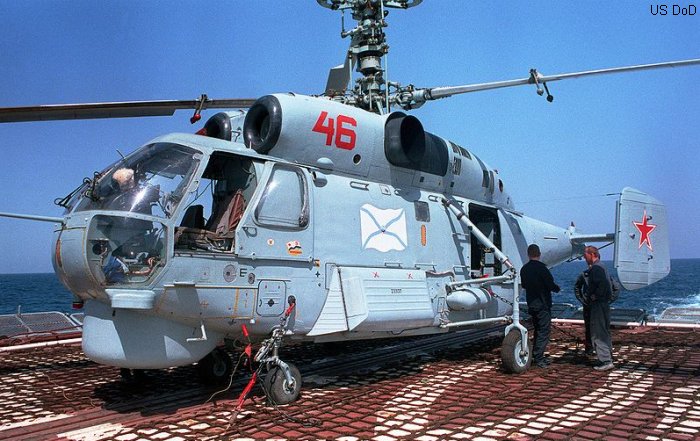
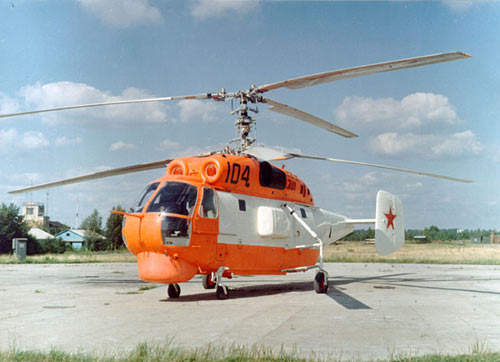
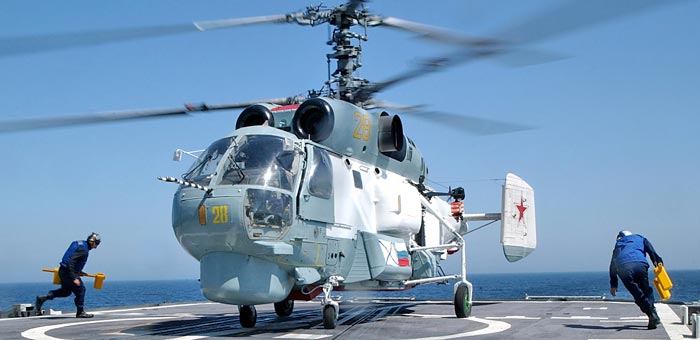
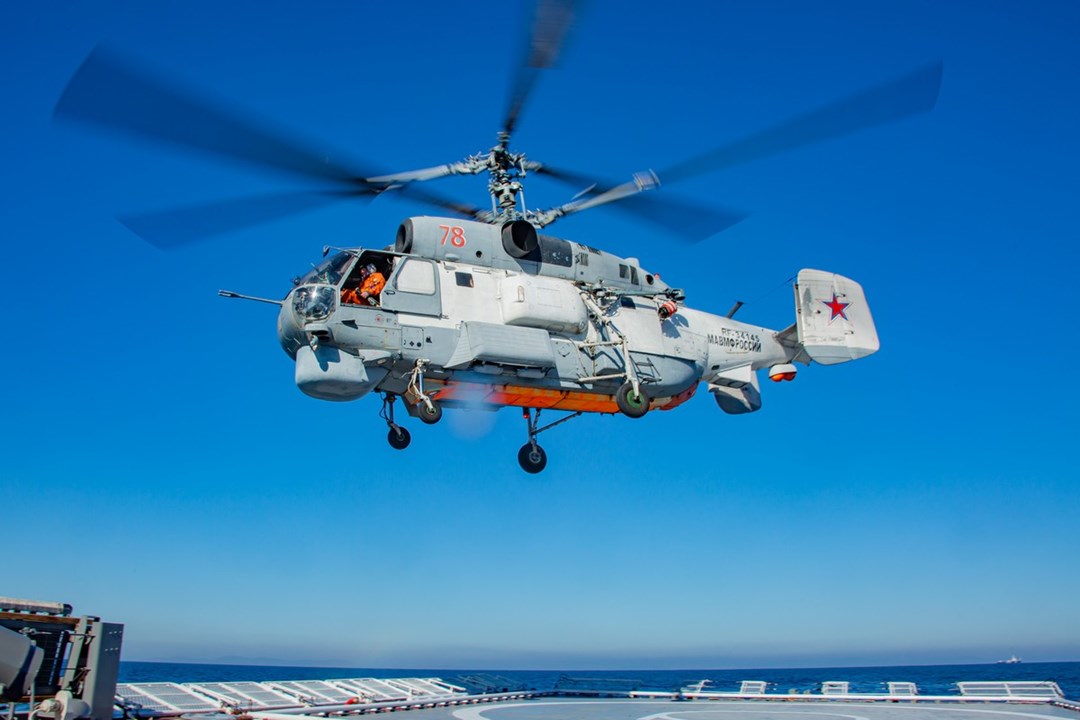
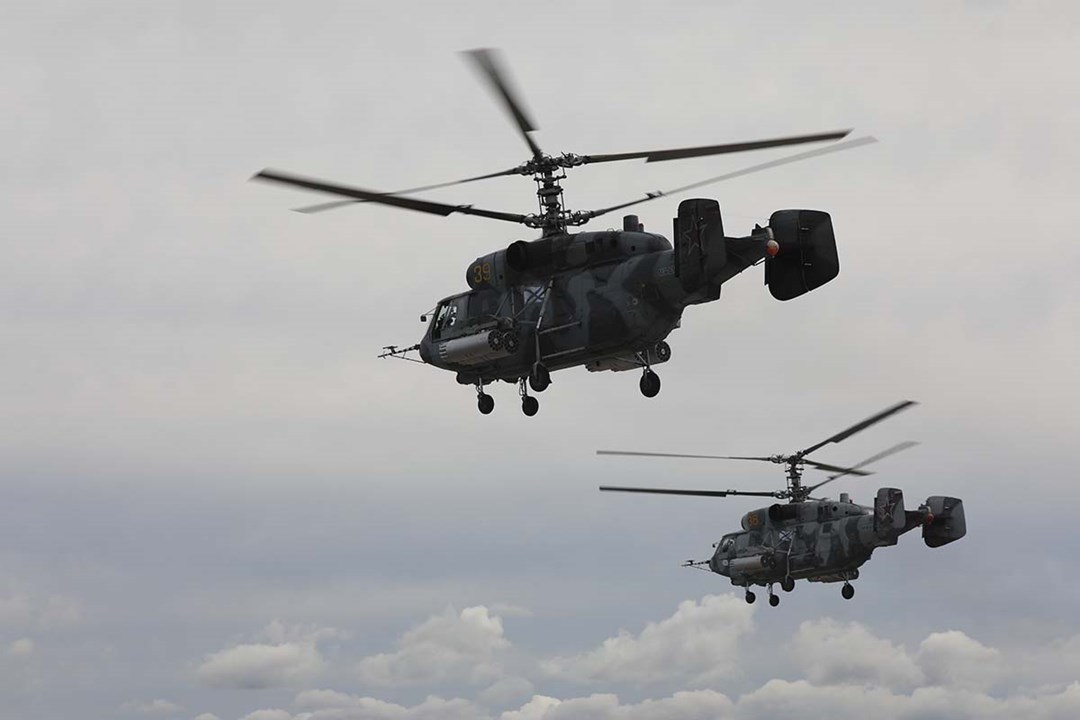
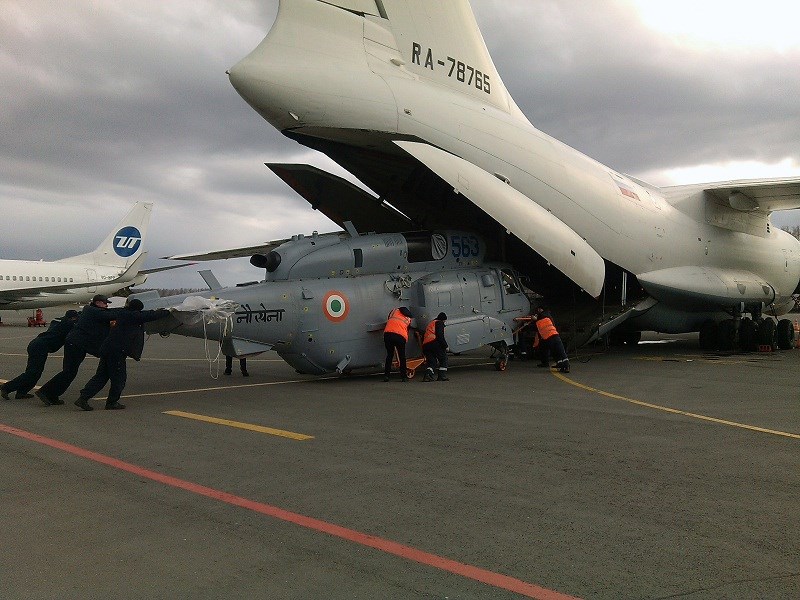
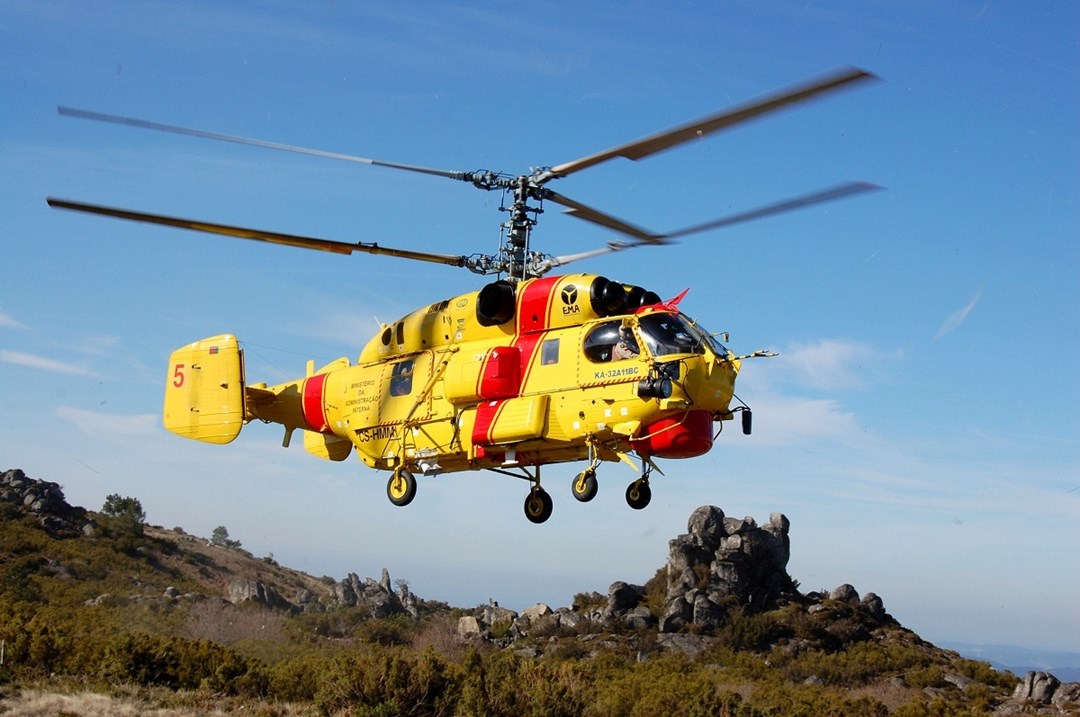
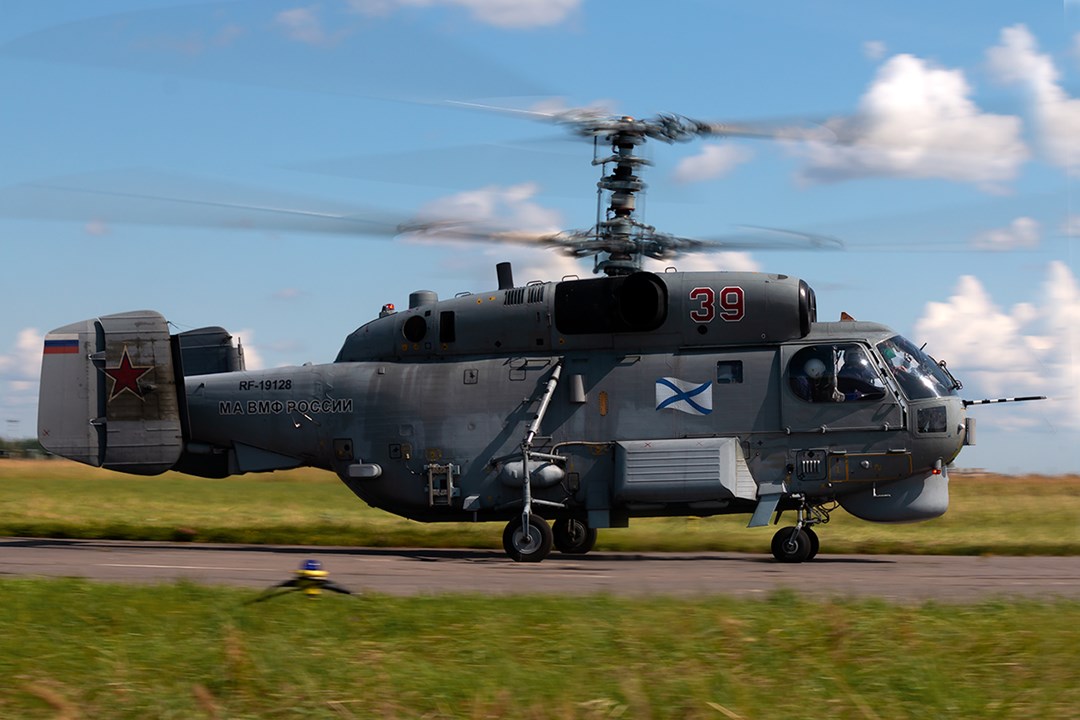
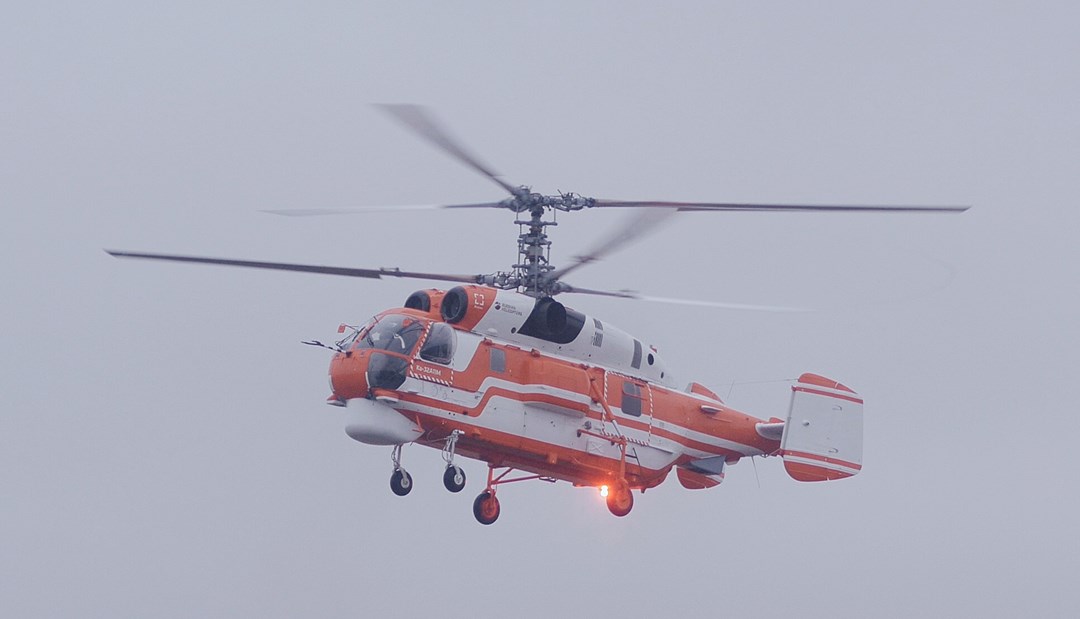
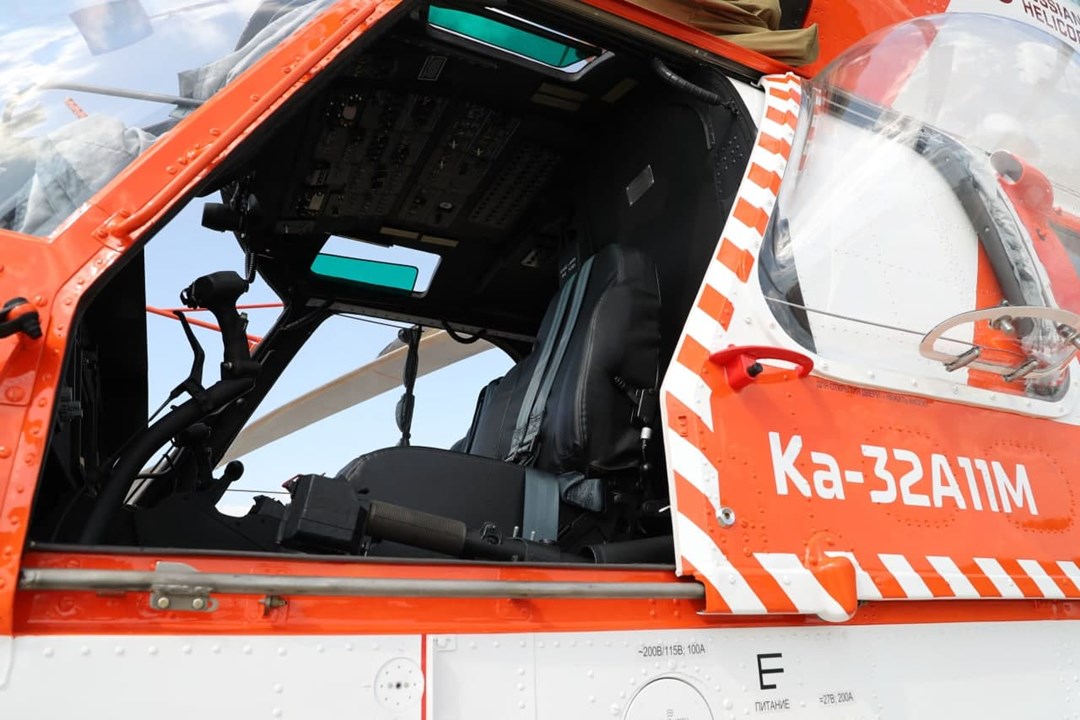
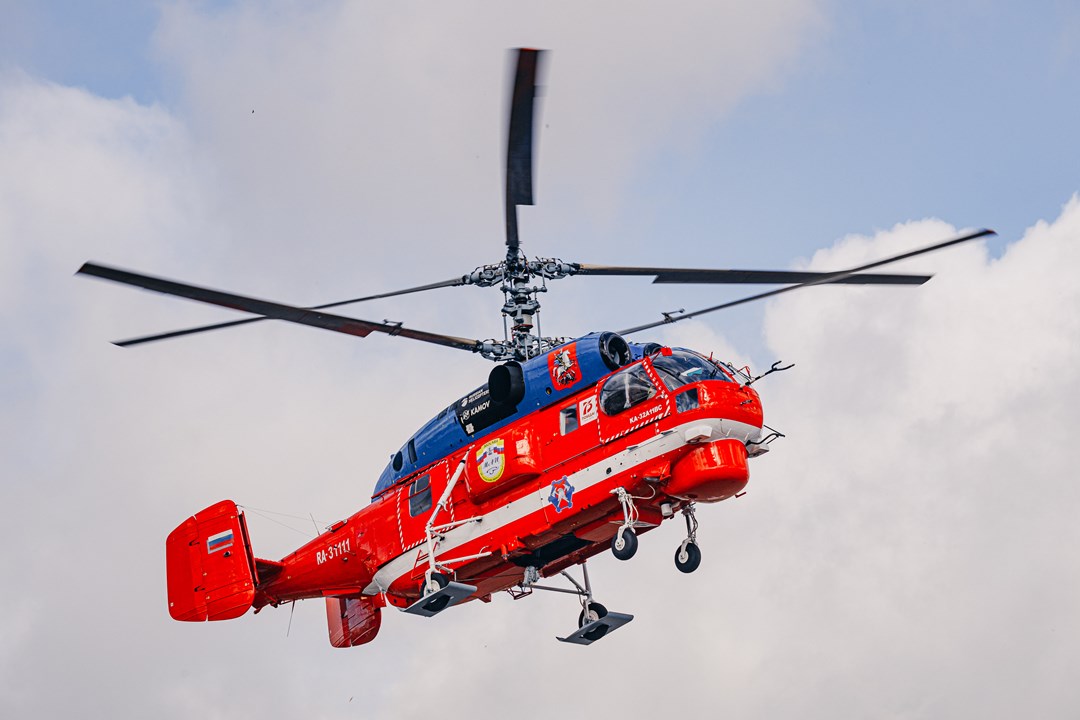
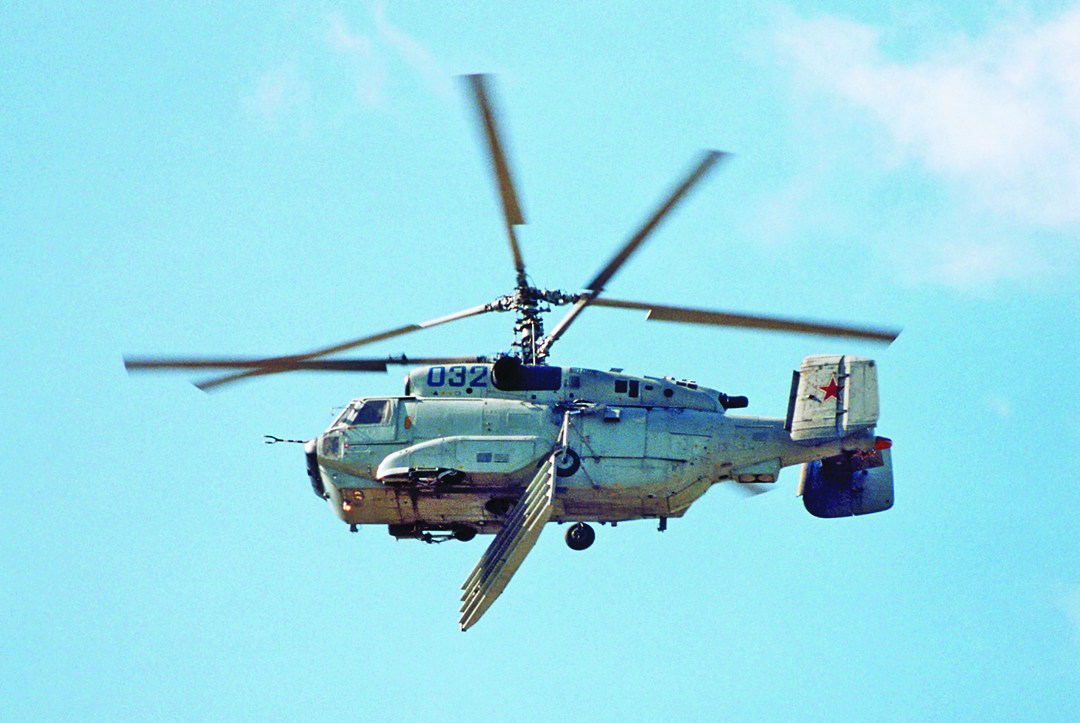
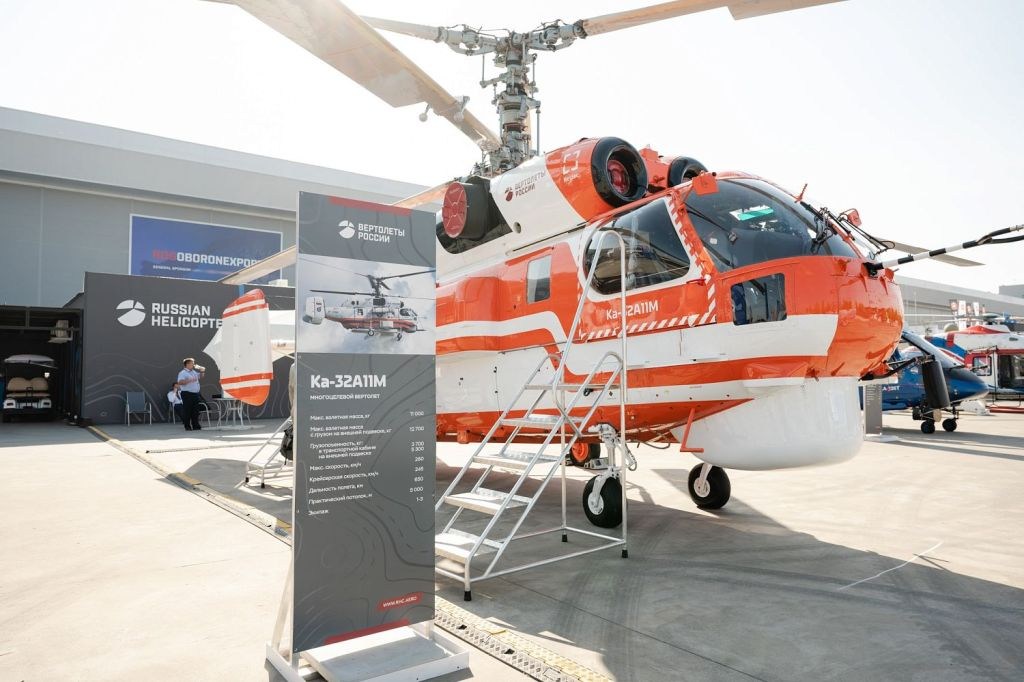
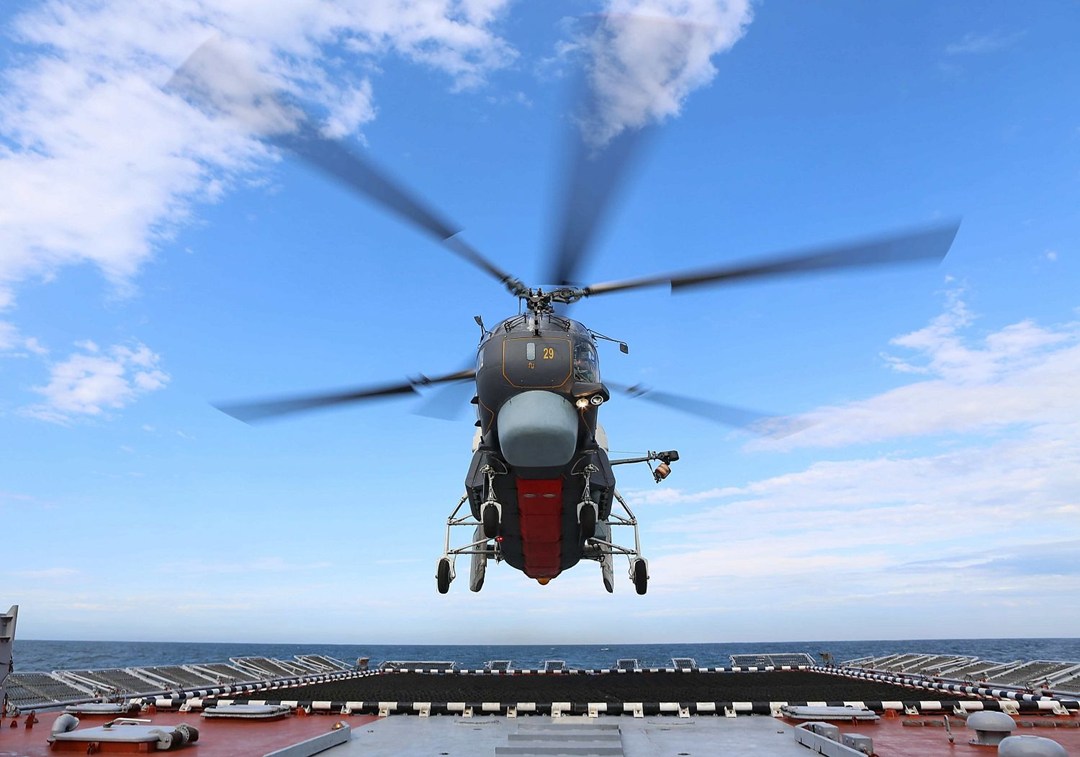
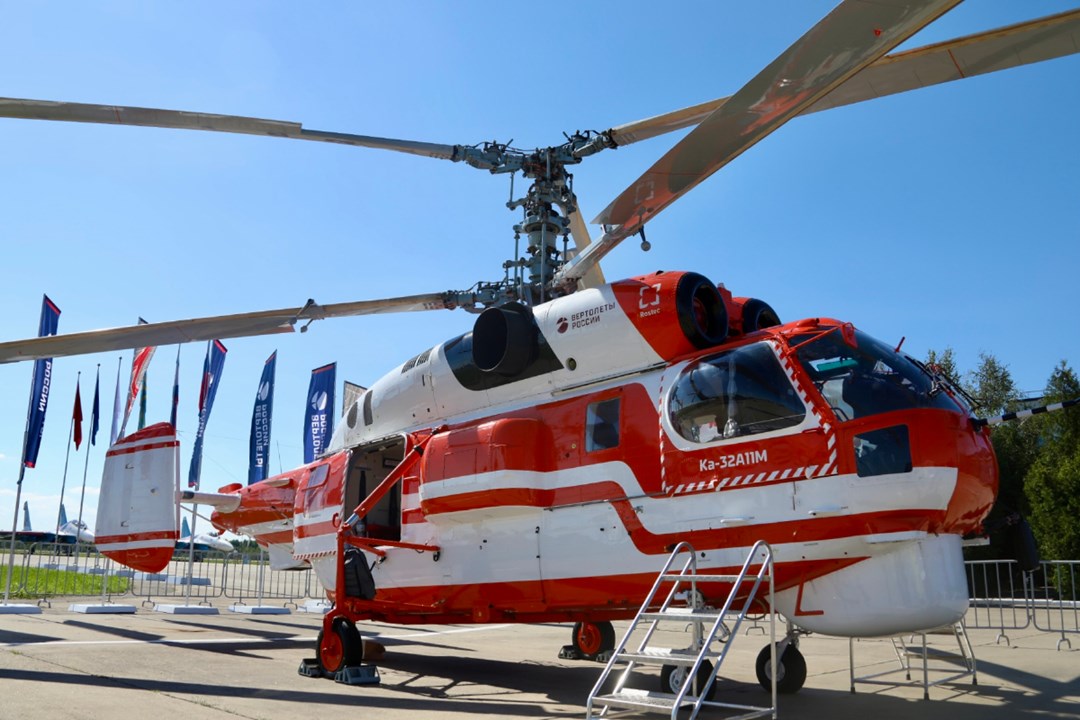
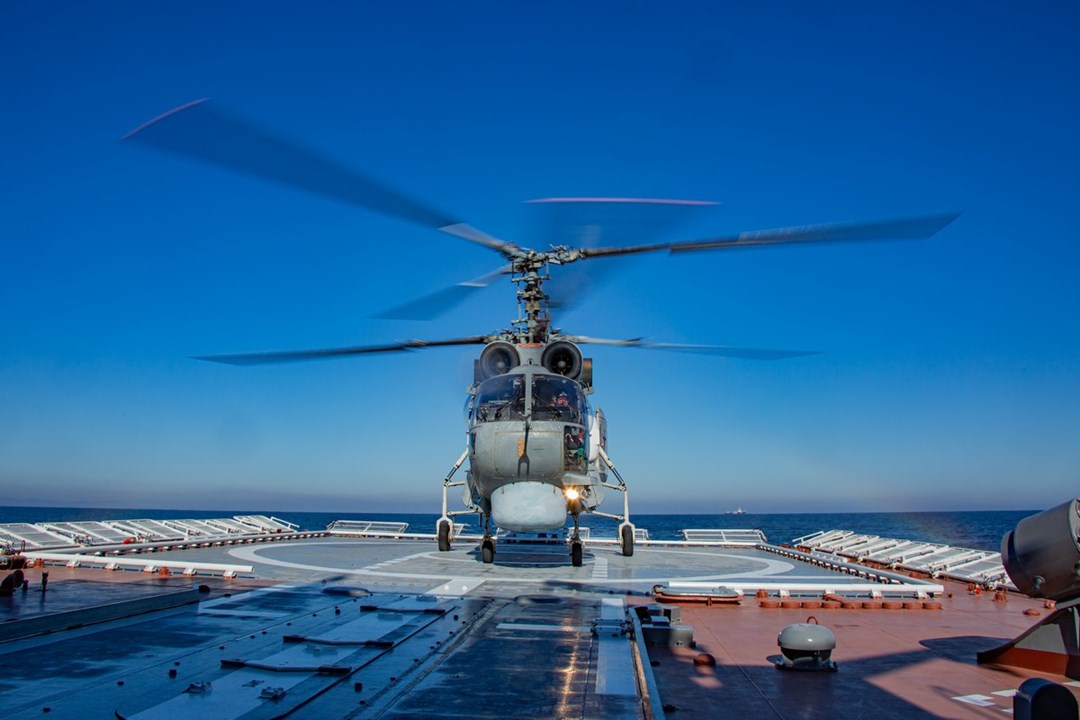
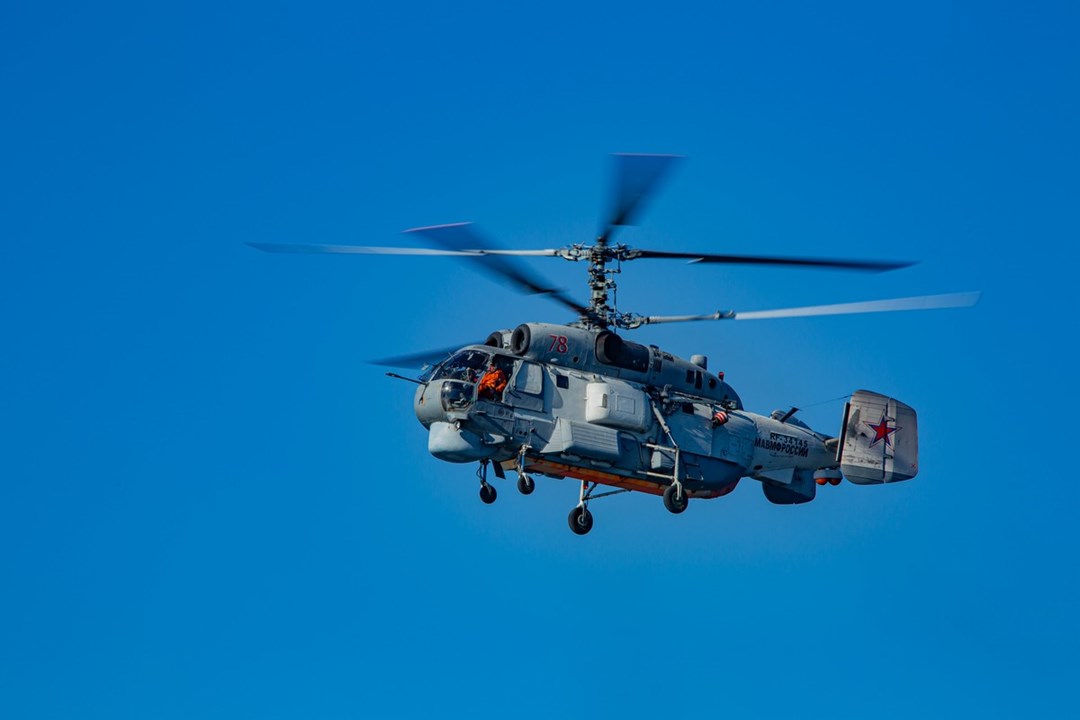
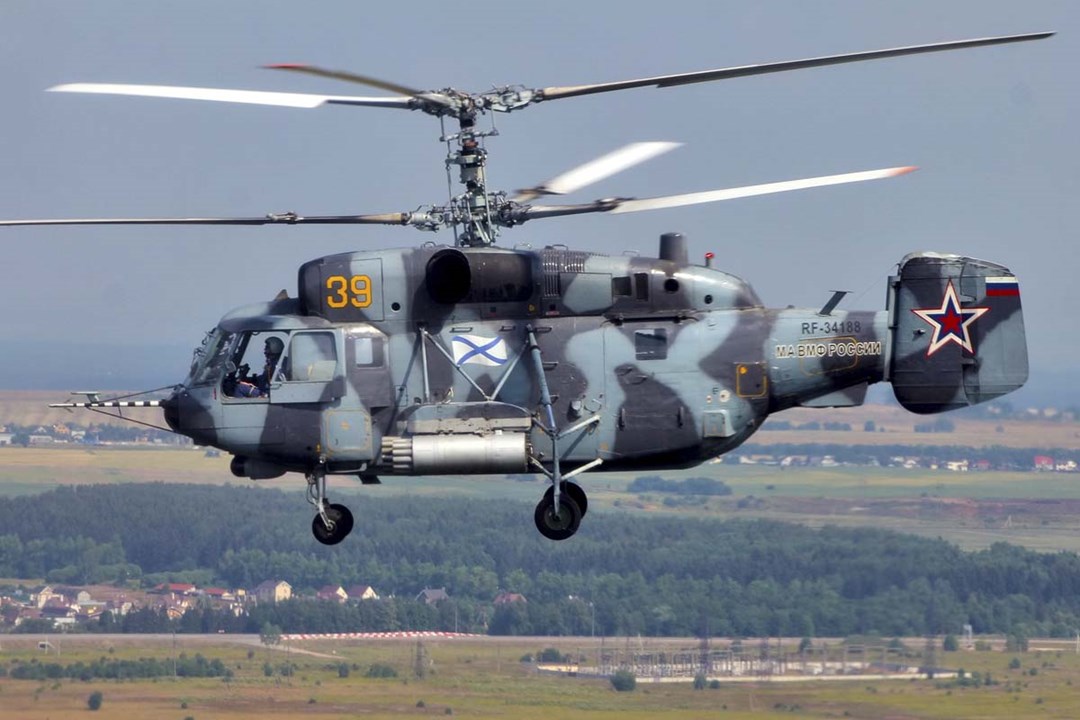
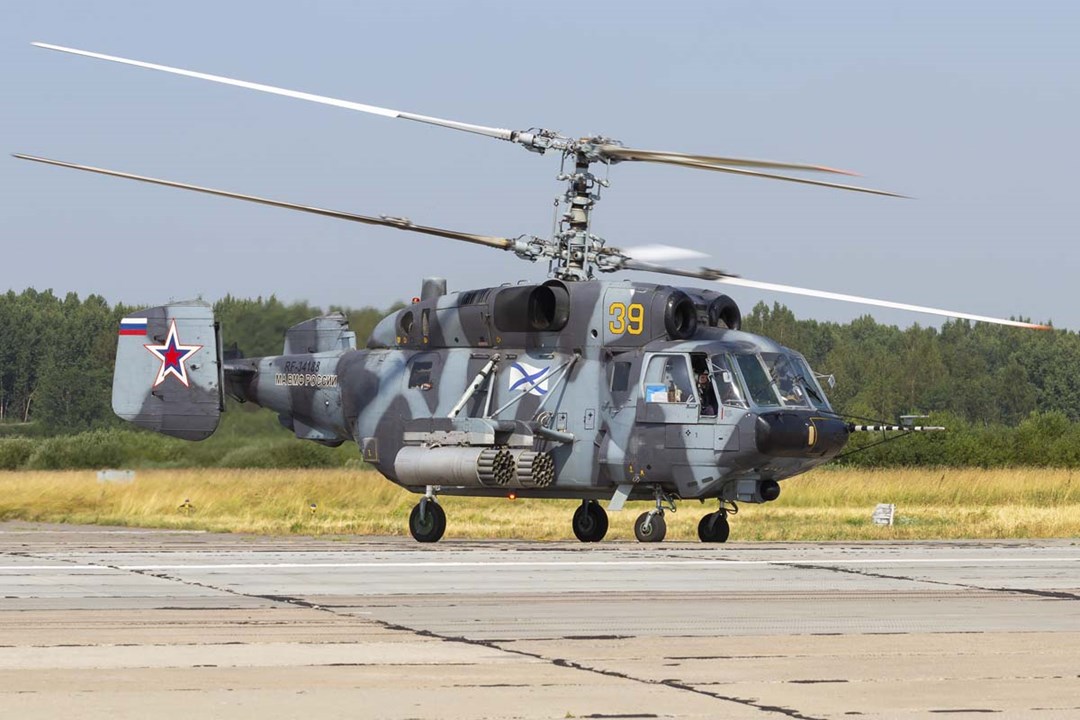
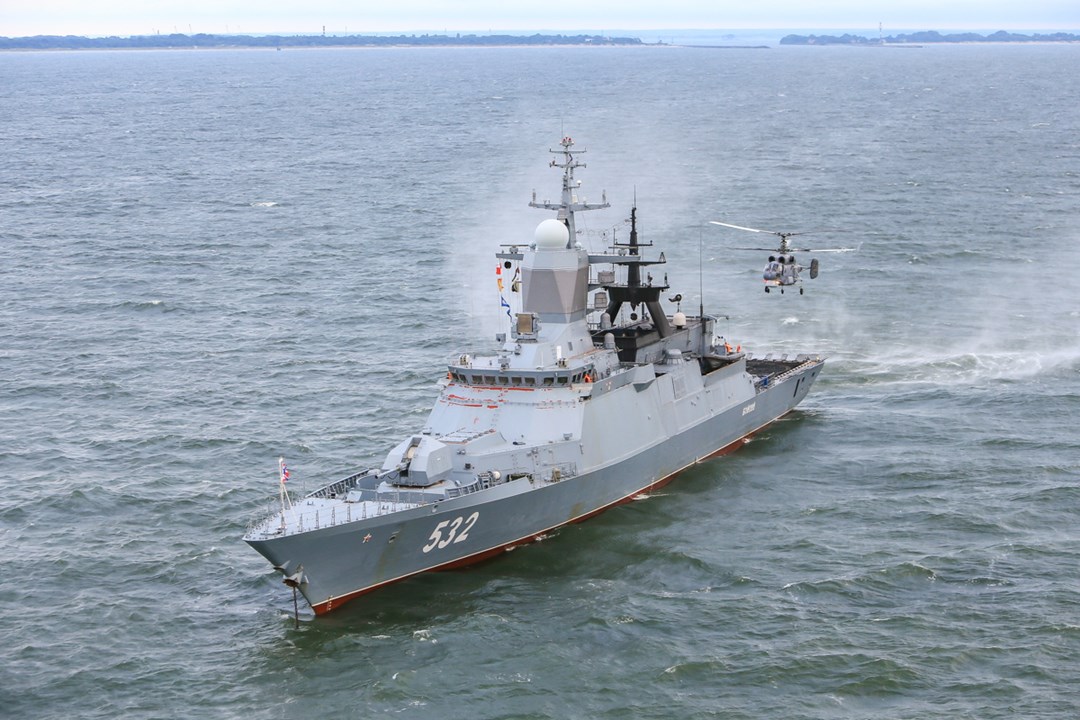
Ka-27 (Helix) Russian Anti-Submarine Helicopter is an improved version of the Ka-25. The fuselage was redesigned to give a large increase in cabin room, with only a small increase in external dimensions. This allows the Ka-27 to operate from the same ships as the Ka-25. As the 1960s drew to a close, the need arose for a new shipboard anti-submarine warfare helicopter to replace the Soviet Navy's main ASW chopper, the Kamov Ka-25 which was becoming obsolescent. The objective was to greatly increase the payload, internal volume, and engine power while still allowing the helicopter to use the same deck helipads and shipboard hangars. The design bureau led by Nikolay Il'yich Kamov started work on the new ASW helicopter in 1969. Given the size requirements, the engineers logically chose to retain the preceding model's contra-rotating rotor layout - a feature that had been a Kamov "trademark" from the start. Initially designated Ka-252 (though the designation was later changed to Ka-27), the prototype made its first hover on 8th August 1973 and the first free flight on 24th December 1973. After a period of rigorous testing, the helicopter officially entered service with the Soviet Navy in 1981. The KA-27 helicopter is intended to be used for the search-rescue provision of aircraft flights over the sea and the land, and also for the provision of emergency-rescue operations at the disasters of ships and vessels, day and night time, in simple and complicated weather conditions at the sea roughness up to 5 number, alone and in combination with ships. To carry out rescue operations, the helicopter is equipped with a winch with a lifting capacity of 300 kg. The flight-navigation complex of the helicopter allows to conduct an automatically controlled flight of the helicopter according to the pre-set route, a landing of the helicopter on the deck a ship and unloading of the ship without the stoppage of the latter, an autonomous hovering of the helicopter over the pre-determined point, and together with the radar "Osminog", leading out of the helicopter into the point of the flight pre-set by the pilot. An inflatable ballonet system ensures the floatage of the helicopter in case of its emergency landing on the water surface. The blade folding mechanism allows considerably diminished overall dimensions of the helicopter at its storage in the hangars of ships and aerodromes.
Torpedoe System
Bomb System
deagel.com: https://www.deagel.com/x/x/a000767