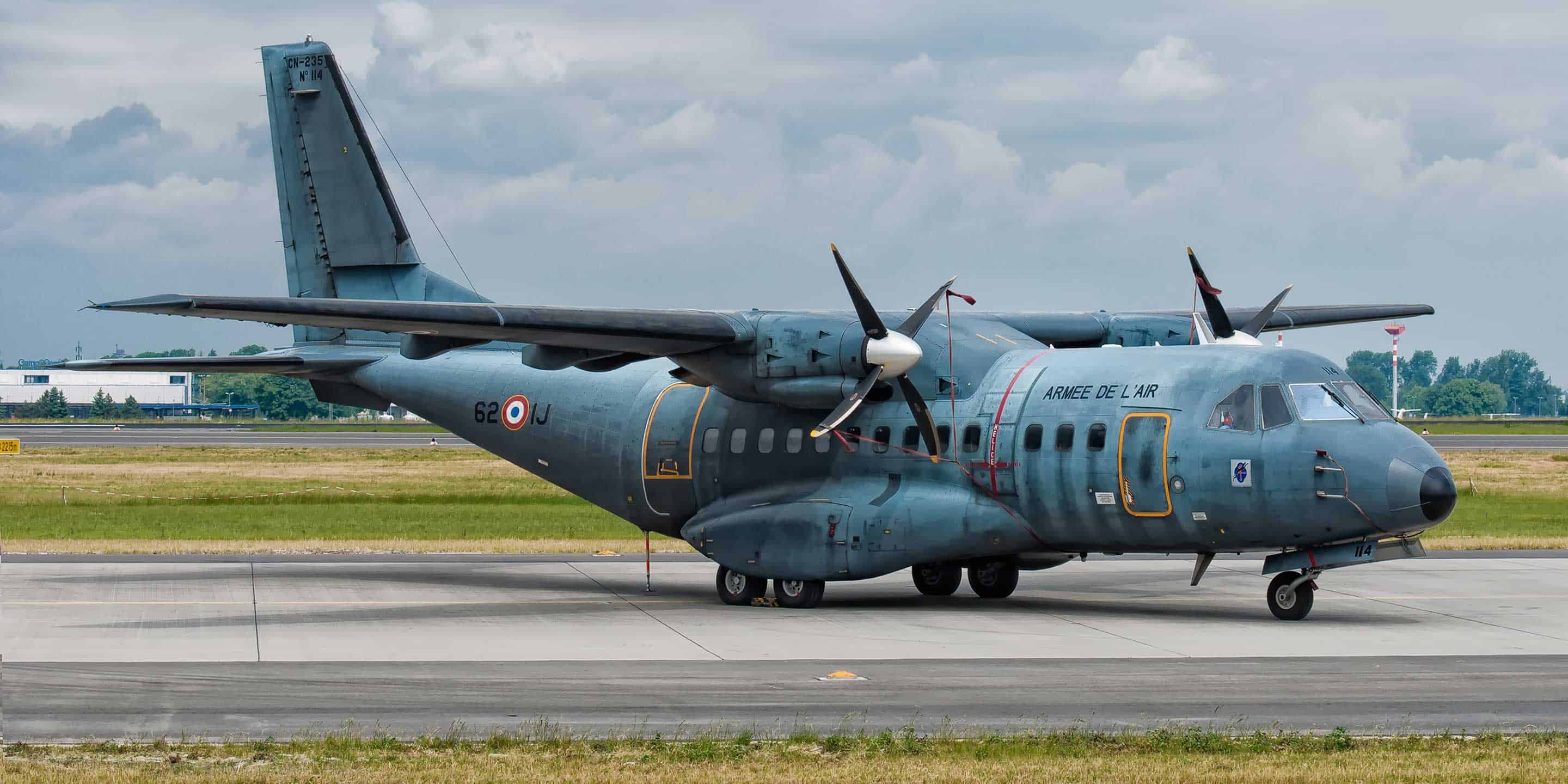
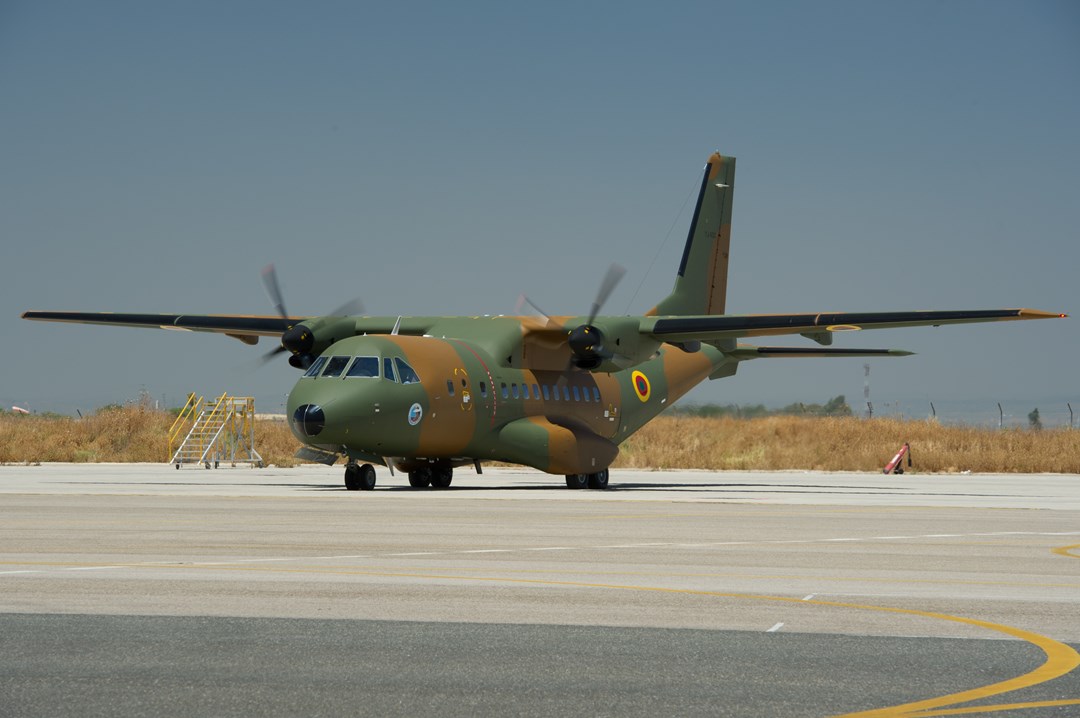
CN-235-10
Initial production version (15 built by each company), with GE CT7-7A engines.
CN-235-100/110
Generally as series 10, but with GE CT7-9C engines in new composites nacelles; replaced Series 10 in 1988 from 31st production aircraft. Series 100 is Spanish-built, series 110 Indonesian-built, with improved electrical, warning and environmental systems.
CN-235-200/220
Improved version. Structural reinforcements to cater for higher operating weights, aerodynamic improvements to wing leading-edges and rudder, reduced field length requirements and much-increased range with maximum payload. Series 200 is Spanish-built, Series 220 Indonesian-built. Series 220 still in production.
CN-235-300
CASA Modification of 200/220 series, with the Honeywell International Corp. avionics suite. Other features include improved pressurization and provision for optional twin-nosewheel installation.
CN-235-330 Phoenix
Modification of Series 200/220, offered by IPTN with new Honeywell avionics, ARL-2002 EW system and 16.800 kg/37.037 lb MTOW, to Royal Australian Air Force to meet Project Air 5190 tactical airlift requirement, but was forced by financial constraints to withdraw in 1998.
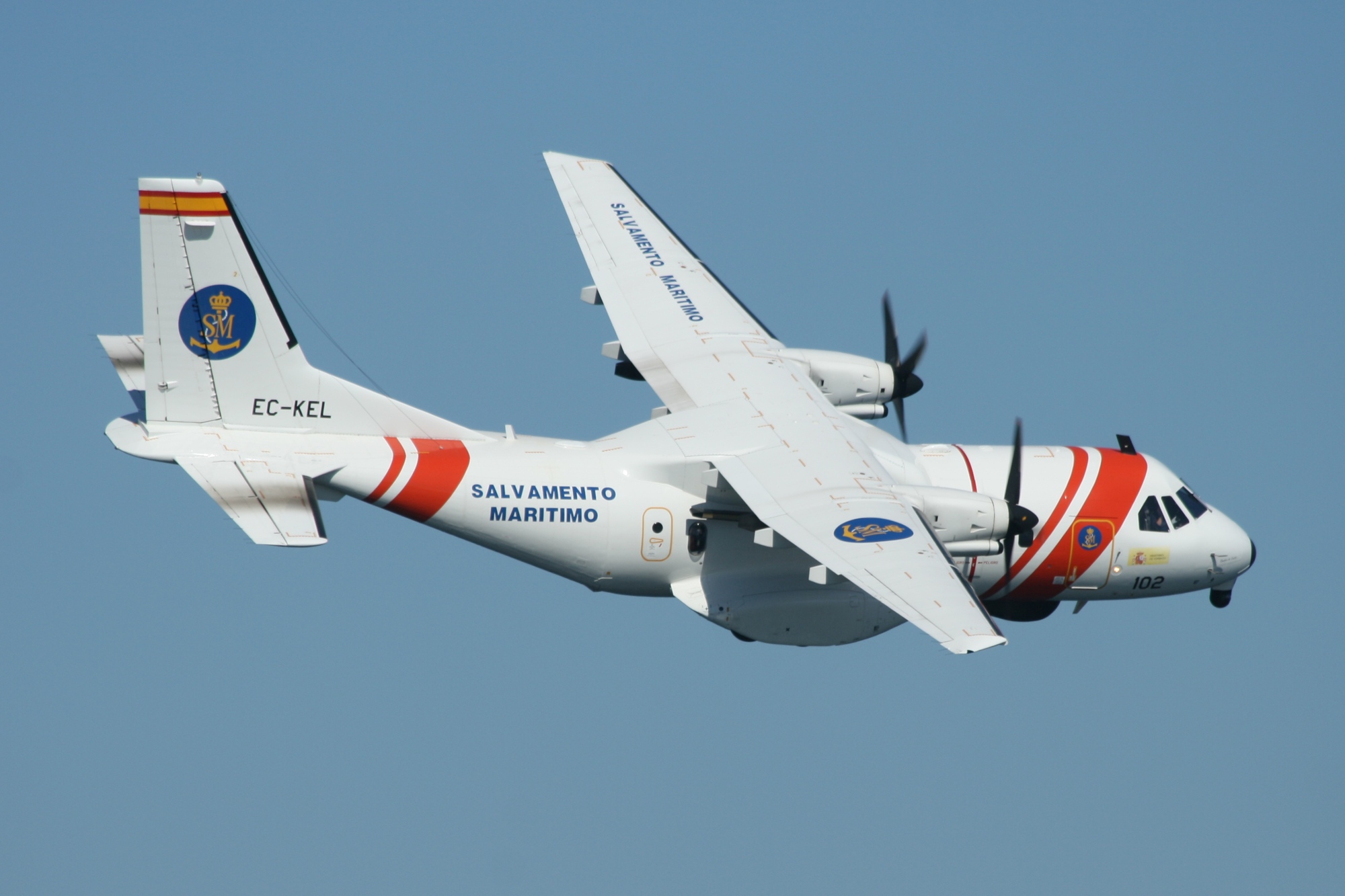
CN-235 MPA
Maritime patrol version with 6 hardpoints to carry AM-39 Exocet-Missiles or Mk.46-Torpedoes.
HC-144 Ocean Sentry
United States Coast Guard designation for a planned twenty-two aircraft fleet bought to replace the small HU-25 Guardian business-style jets. As of 2019, eighteen had been delivered.
AC-235
A light gunship modified with integrated weapons pylons to carry AGM-114 Hellfire missiles and 70MM rockets, has a side-mounted 30mm cannon, and a Synthetic aperture radar. The collaborative effort was made by King Abdullah II Design and Development Bureau of Jordan, and the U.S. Defense company Orbital ATK