Vision 60 American Quadrupedal Ground Robot
Vision 60
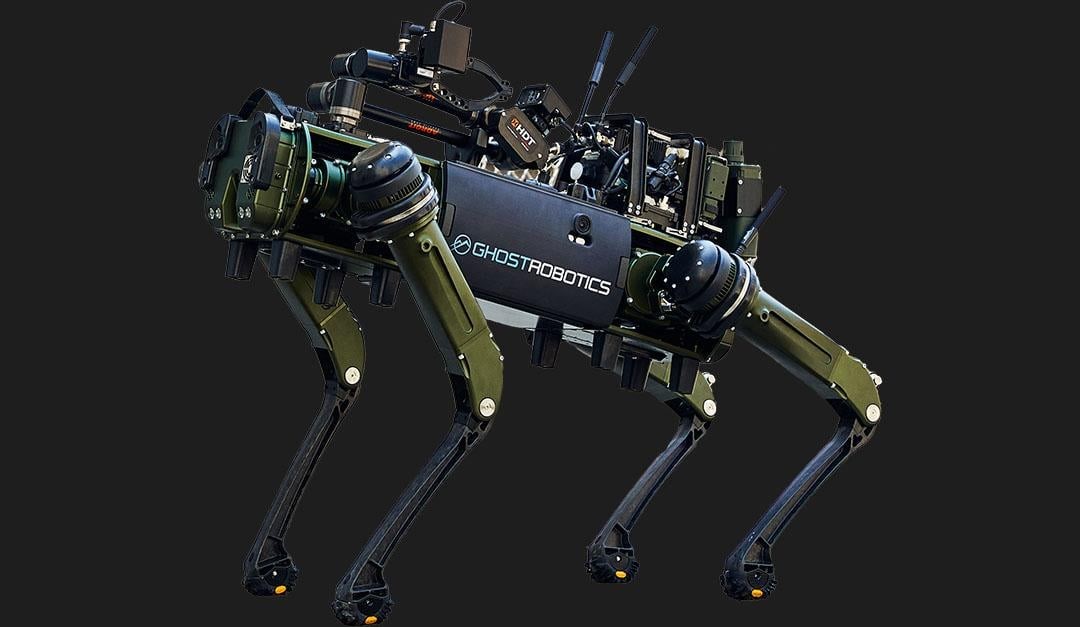
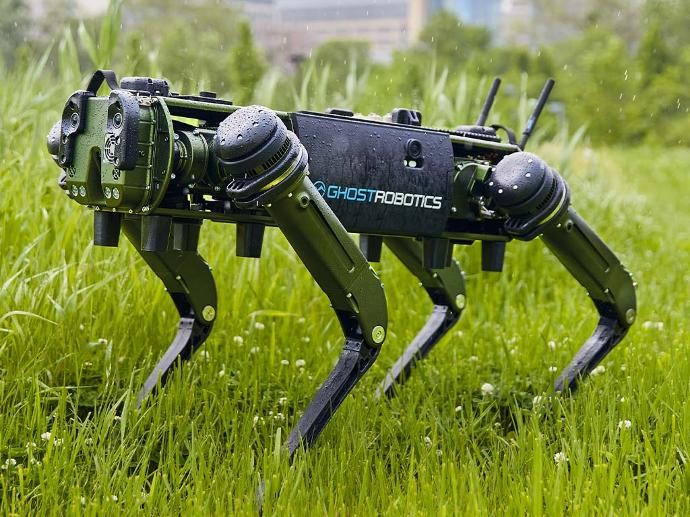
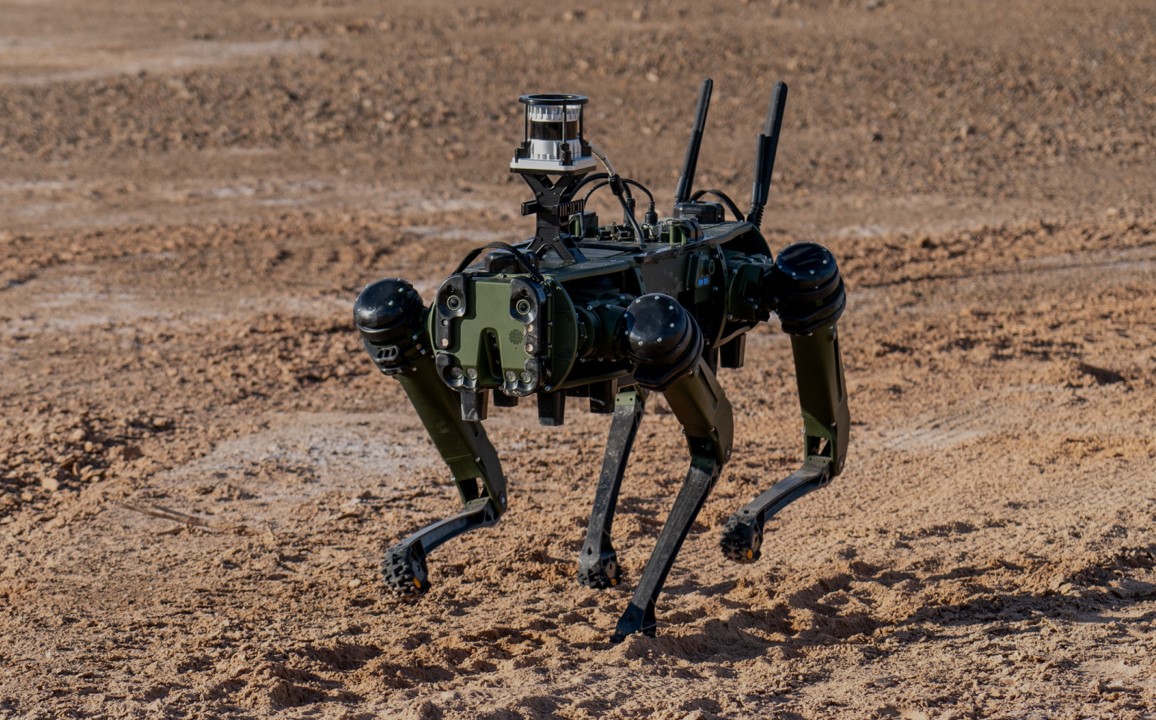
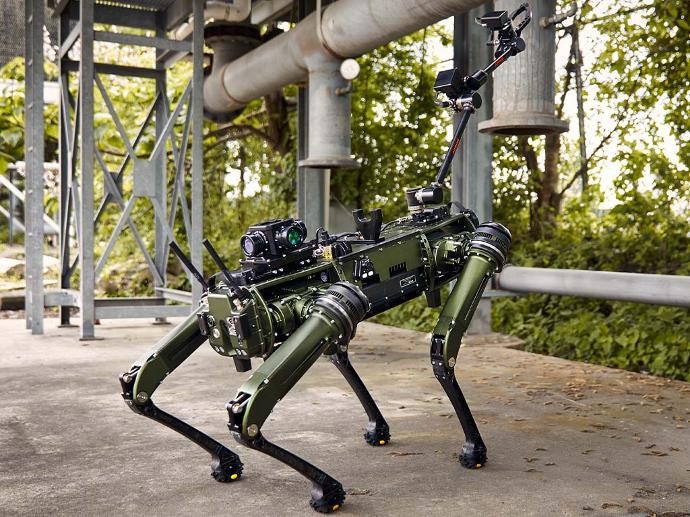
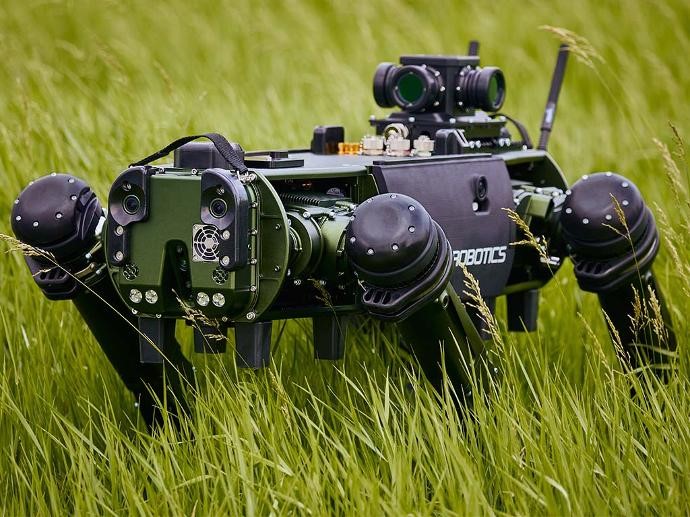

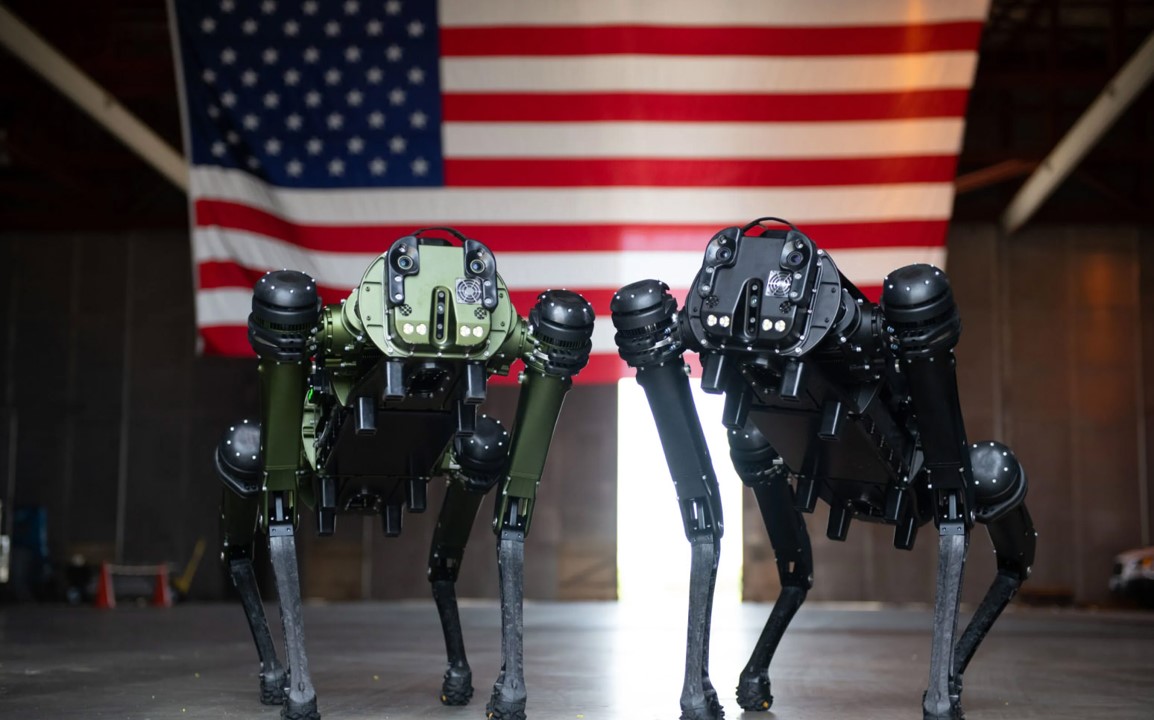
The Vision 60 American Quadrupedal Ground Robot is a high-endurance, agile, and durable all-weather ground robot designed for a wide range of unstructured urban and natural environments. It is suitable for defense, homeland security, and enterprise applications. The robot’s agility, provided by its four legs, enables it to navigate areas that people can access. It can climb stairs and steep hills, scramble over rocks, and traverse swamps. Its legged design outperforms wheeled and tracked unmanned ground vehicles in unstructured terrain, debris fields, and steep inclines, as well as indoors where stairs are present. If the Vision 60 slips and falls, it can self-right and continue operating, even if it is tipped over and inverted. The Vision 60 is robust, with an IP67 rating, meaning it is fully sealed against dust and can be submerged in water up to 1 meter for up to 30 minutes. It can operate in temperatures ranging from -40 °C to 55 °C (-40°F to 131°F). One of Vision 60's standout features is its ability to navigate through tall grass and unfamiliar terrain, even when its vision sensors are obstructed by mud, rain, snow, or direct sunlight. This capability is achieved through proprietary methods that mimic the way mammals move across various urban and rural environments. In contrast to other quadrupedal robots that may become immobilized by environmental factors, the Vision 60 can continue its mission. The Vision 60 is highly energy-efficient, allowing for impressive endurance. Depending on the payload and operating conditions, it can travel up to 6.0 miles on a single charge and provides up to 3.15 hours of continuous walking. When stationary, it can operate for up to 21 hours with its computer and RGB cameras running. We believe in an open architecture that fosters innovation. Users and partners can utilize Ghost’s robust SDK to build applications and integrate various sensors, radios, or electronic components using the industry-standard Robot Operating System (ROS) or ROS 2 framework. Joint-level integration is also achievable through a low-level C/C++ interface. Furthermore, sub-assemblies on the Vision 60, including the legs, battery, main CPU, and front and rear sensor heads, can be swapped out within minutes for easy maintenance and customization.