ARMSNET
Military Equipment Database
Initializing 0%

Skeldar V-200 Swedish Unmanned Aerial Vehicle (UAV)

Skeldar V-200
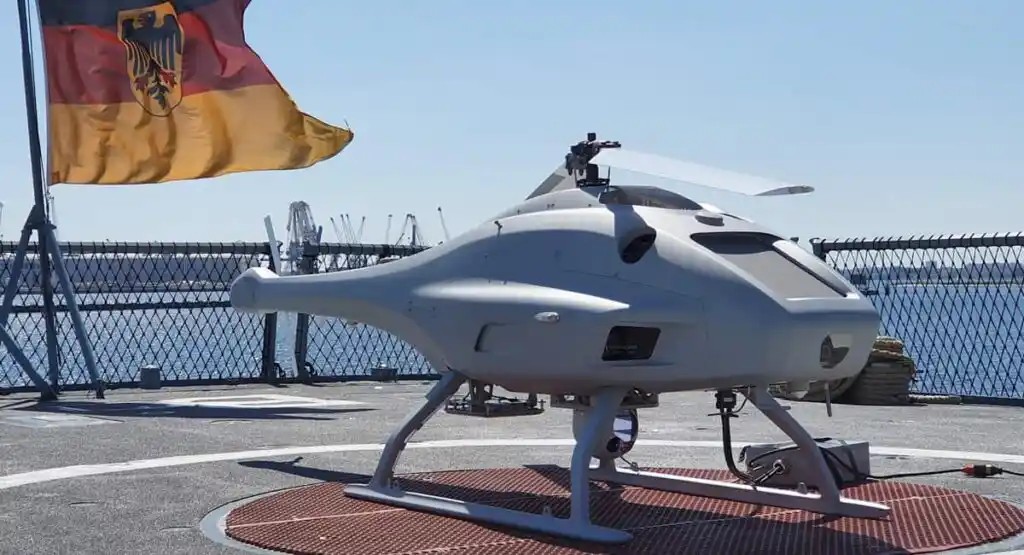
Tactical Unmanned Aerial Vehicle (UAV)
Spotted an error? Sign in to suggest an edit.
Basic Information
Name
Skeldar V-200 Swedish Unmanned Aerial Vehicle (UAV)
Designation
Skeldar V-200
Alternate Designation
Skeldar V-200
Equipment Type
Tactical Unmanned Aerial Vehicle (UAV)
Manufacturer
Saab and now operated by UMS Skeldar, a joint venture between UMS Aero Group and Saab
Date of Introduction
2008
Description

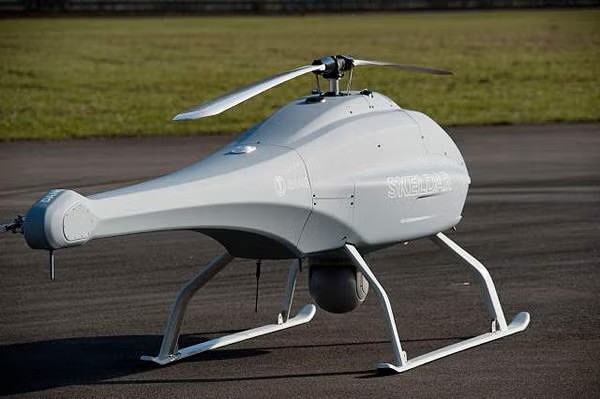
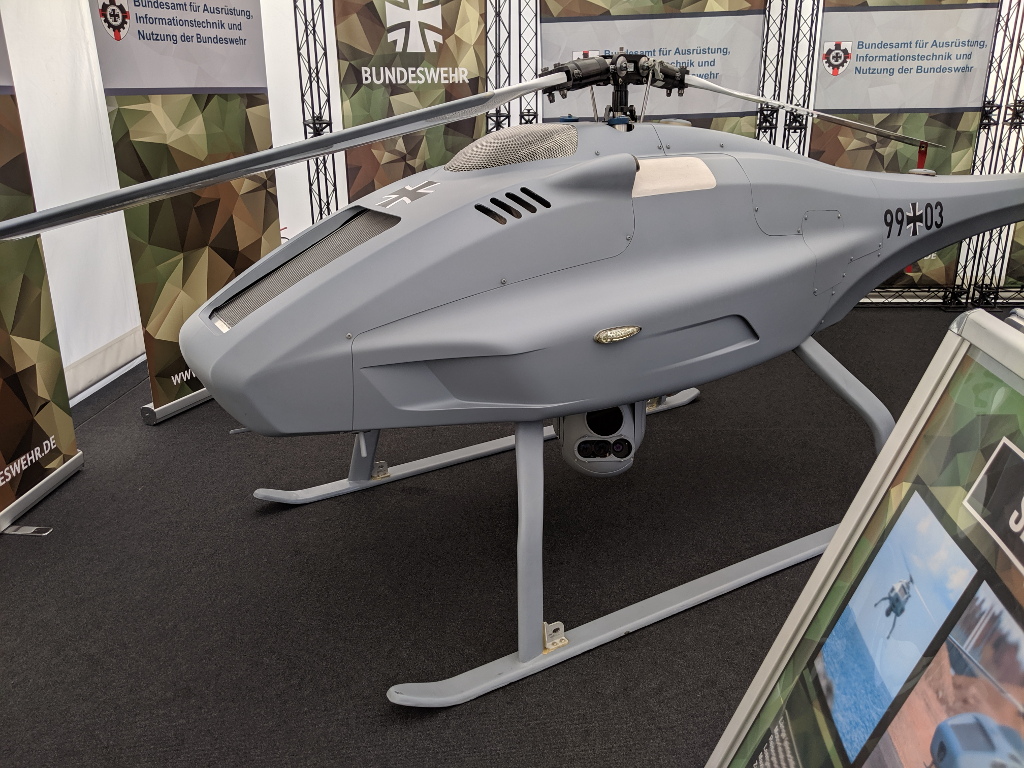
The Skeldar V-200 Swedish Unmanned Aerial Vehicle (UAV) is designed as a versatile platform for surveillance, reconnaissance, target acquisition, and electronic warfare across land, maritime, and civil security applications. The V-200 excels in ship-based operations, featuring fully automated Automatic Take-Off and Landing (ATOL) capabilities on dynamic surfaces such as aircraft carrier decks. The system can operate in challenging maritime conditions, landing safely in winds up to 25 knots (NATO Sea State 3–4) and reduced visibility conditions including nighttime, fog, and heavy rain. The V-200 remains the only unmanned rotary VTOL system in its class powered by a heavy fuel engine, providing operational flexibility for naval forces requiring extended endurance and autonomous ship-based operations.

Air & Air Defense Specifications
Engine direct-injected parallel-twin two-stroke engine design that operates on kerosene-based fuels including Jet A-1, JP-5, and JP-8. (55 hp)
Max Speed 140.0 km/h
Range 200.0 km
Endurance 6.00 hrs
Service Ceiling 3000 m
Rotor Diameter 4.60 m
Payload Capacity 40 kg
System
Alternate Designation Skeldar V-200
Type Unmanned Aerial Vehicle (UAV)
Manufacturer Saab and now operated by UMS Skeldar, a joint venture between UMS Aero Group and Saab.
Payload Capacity 40 kg
Specialized Payloads Laser pointers and laser range finders; Automatic Identification System (AIS) transponders; Searchlights and megaphones for communications; Electronic Warfare (EW) equipment for signals intelligence and jamming; Cargo hooks for light logistics support. The platform's ability to carry multiple payloads simultaneously—such as concurrent EO/IR, SAR, and GMTI systems—distinguishes it from comparable systems.
Control System Operators control the system through a Remote Pilot Station (RPS) with intuitive command options including "Point-and-Fly" and "Point-and-See" modes, allowing high-level mission control without constant manual input. The system supports fully autonomous flight along programmed waypoints with real-time data delivery to the control station and remote video terminals.
Sensor Options Advanced stabilized Electro-Optical/Infrared (EO/IR) gimbals; Synthetic Aperture Radar (SAR) with moving target indicator capability; Ground Moving Target Indicator Radar (GMTI); Light Detection and Ranging (LiDAR); Hyperspectral and multispectral cameras.
Dimensions
Length 4.0 m
Width 1.2 m
Height 1.3 m
Rotor Diameter 4.6 m
Maximum Takeoff Weight 245 kg
Automotive
Engine Name Hirth
Engine Type direct-injected parallel-twin two-stroke engine design that operates on kerosene-based fuels including Jet A-1, JP-5, and JP-8.
Engine Power This engine design is rated at 55 horsepower and operates at a constant 6,000 RPM, providing excellent reliability with extended times between overhauls.
Maximum Speed 140 km/h
Cruise Speed INA
Maximum Range 200 km
Service Ceiling 3,000 m
Endurance 6 hours
Details
Country of Origin Sweden
Category UAVs
Air > UAVs
Filter Label
S
Classification
Domain
Air & Air Defense
Equipment Status
Active
Dimensions
Length
4 m
Width
1.2 m
Height
1.3 m
Weight
245 kg
Operators (6)
Germany
Sweden
Belgium
Canada
Finland
Netherlands
Something went wrong. Please reload the page. Reload