MQ-72C Lakota Connector American Unmanned Aerial Vehicle (UAV)
MQ-72C Lakota Connector
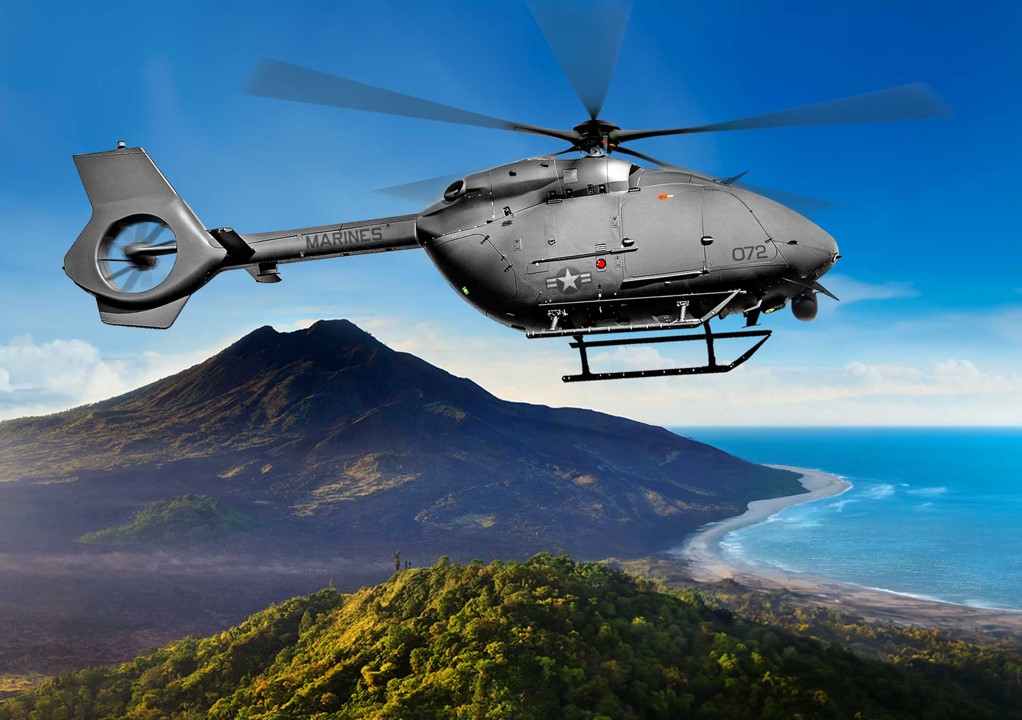
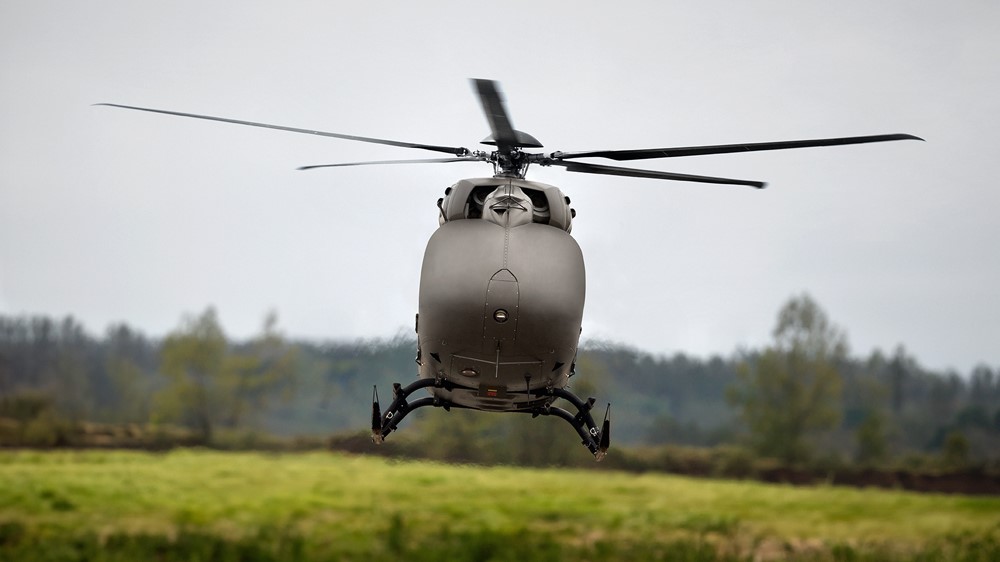

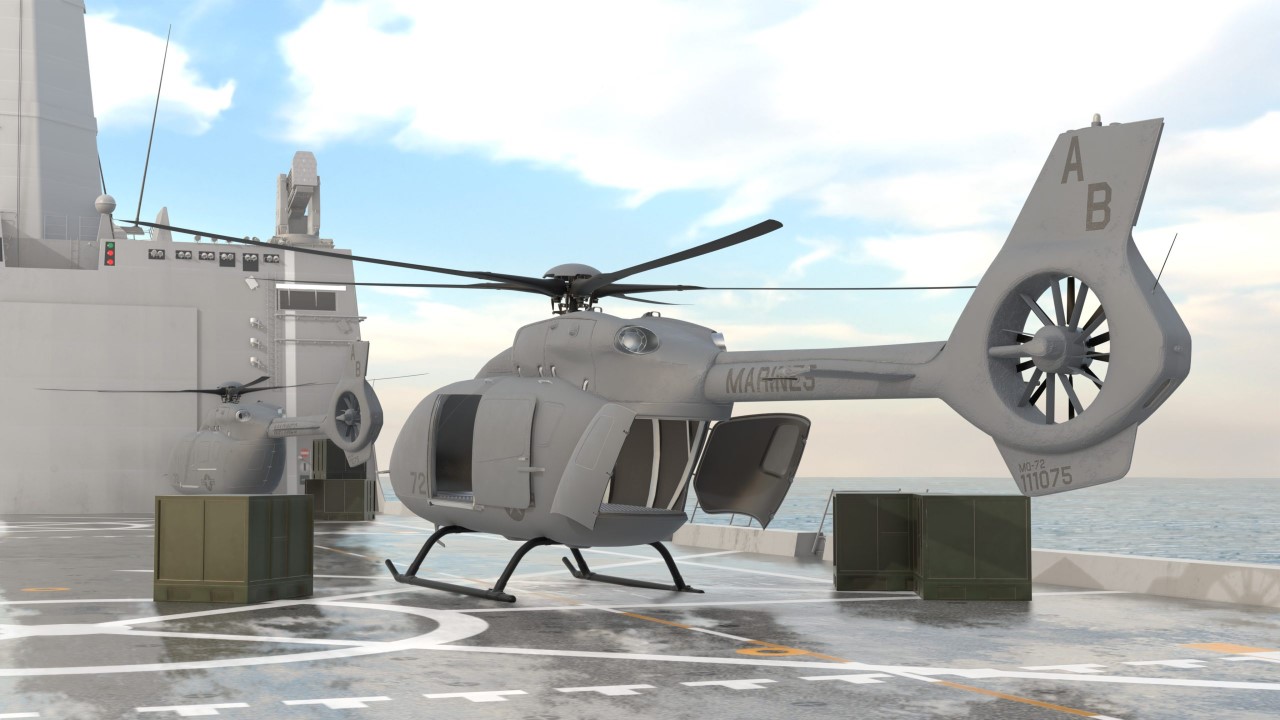
The MQ-72C Lakota Connector, an American Unmanned Aerial Vehicle (UAV), is an autonomous helicopter developed by Airbus U.S. Space & Defense for logistics operations in contested and austere environments. This platform represents a significant advancement in military aerial resupply by converting the UH-72 Lakota into a fully autonomous system. The MQ-72C utilizes the H145/UH-72 airframe, which has accumulated over 1.7 million flight hours and is operated by nearly 490 aircraft within the U.S. Army, U.S. Navy, and allied forces. In contrast to the manned variant, the MQ-72C removes the traditional cockpit, replacing it with forward and rear cargo compartments equipped with manually operated doors. This configuration maximizes cargo capacity, allowing the transport of Joint Modular Intermodal Containers (JMICs), ordnance containers, and standard military cargo. The MQ-72C was developed to meet the requirements of the U.S. Marine Corps Aerial Logistics Connector (ALC) initiative, a Department of Defense program that provides sustained logistical support for distributed operations in peer or near-peer conflict scenarios. The aircraft addresses critical capability gaps in expeditionary advanced base operations (EABO), where manned resupply aircraft are highly vulnerable to enemy air defenses. Key mission advantages include: Autonomous operation in environments with denied or degraded communications; Capability for high-speed logistics transport to multiple forward operating bases; Elimination of human pilot risk in anti-access operational environments; Affordable cost structure supports large-scale deployment across dispersed operational areas; Compatibility with existing UH-72 supply chains and logistics infrastructure.